
Polish Cabbage Rolls (Gołąbki)
1. Master the Art of Soft, Pliable Cabbage Leaves
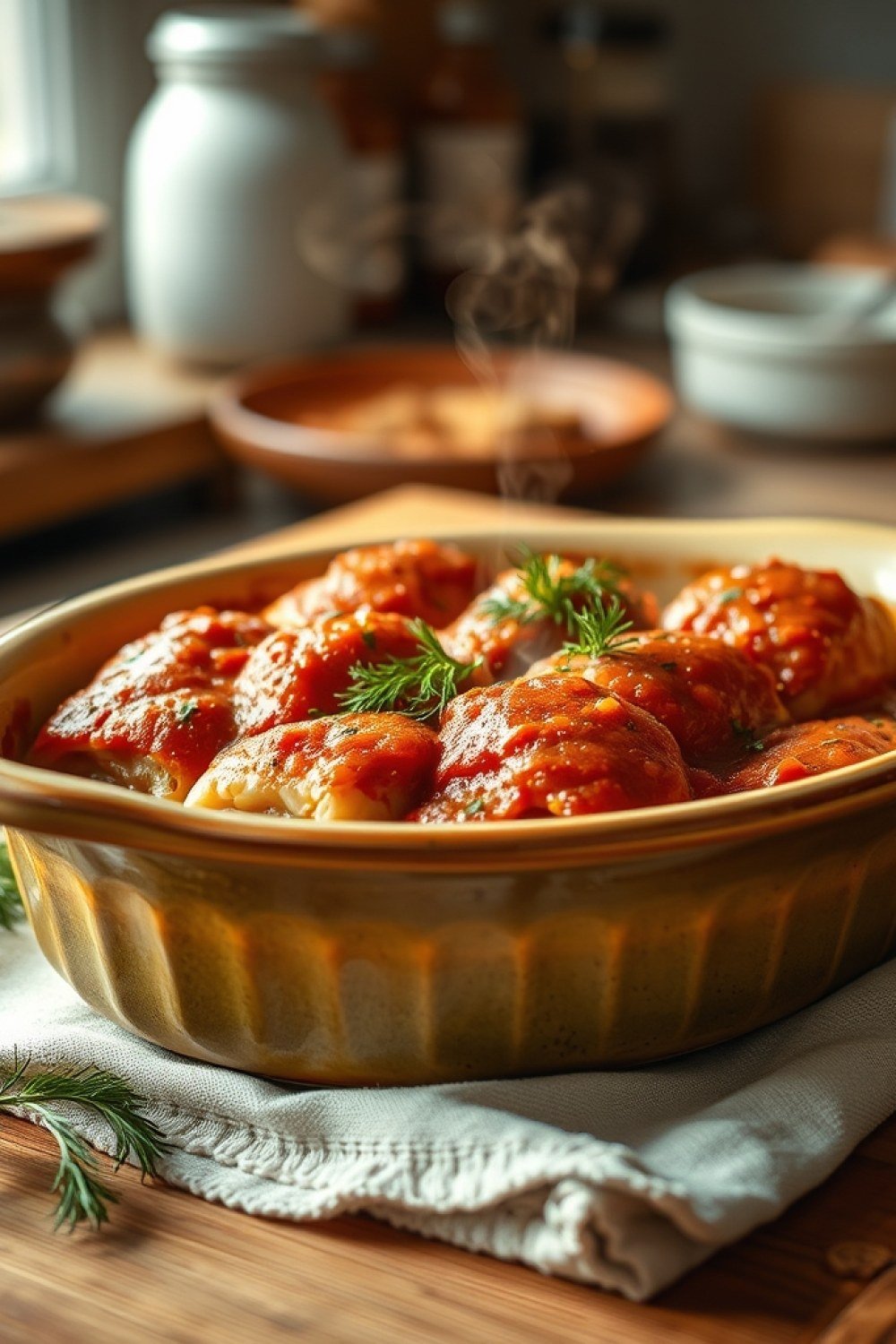
The single biggest hurdle in making gołąbki is getting whole cabbage leaves soft enough to roll without splitting, and there are three reliable ways to do it. The hands-off method is to freeze the entire head of cabbage overnight, then thaw it completely — the ice crystals break down the cell walls and the leaves come away flexible and ready to roll. If you’re cooking today, core the cabbage and lower it into a large pot of boiling salted water for 5–10 minutes, peeling leaves off with tongs as they soften and returning the head to the water for the next layer. For speed, microwave the cored head in a covered bowl with a splash of water for 8–10 minutes, then peel.
Stop boiling the moment a leaf bends without cracking — overcooked leaves turn mushy and tear when you try to tuck the sides.
2. The Classic Filling: Pork, Beef, and Rice
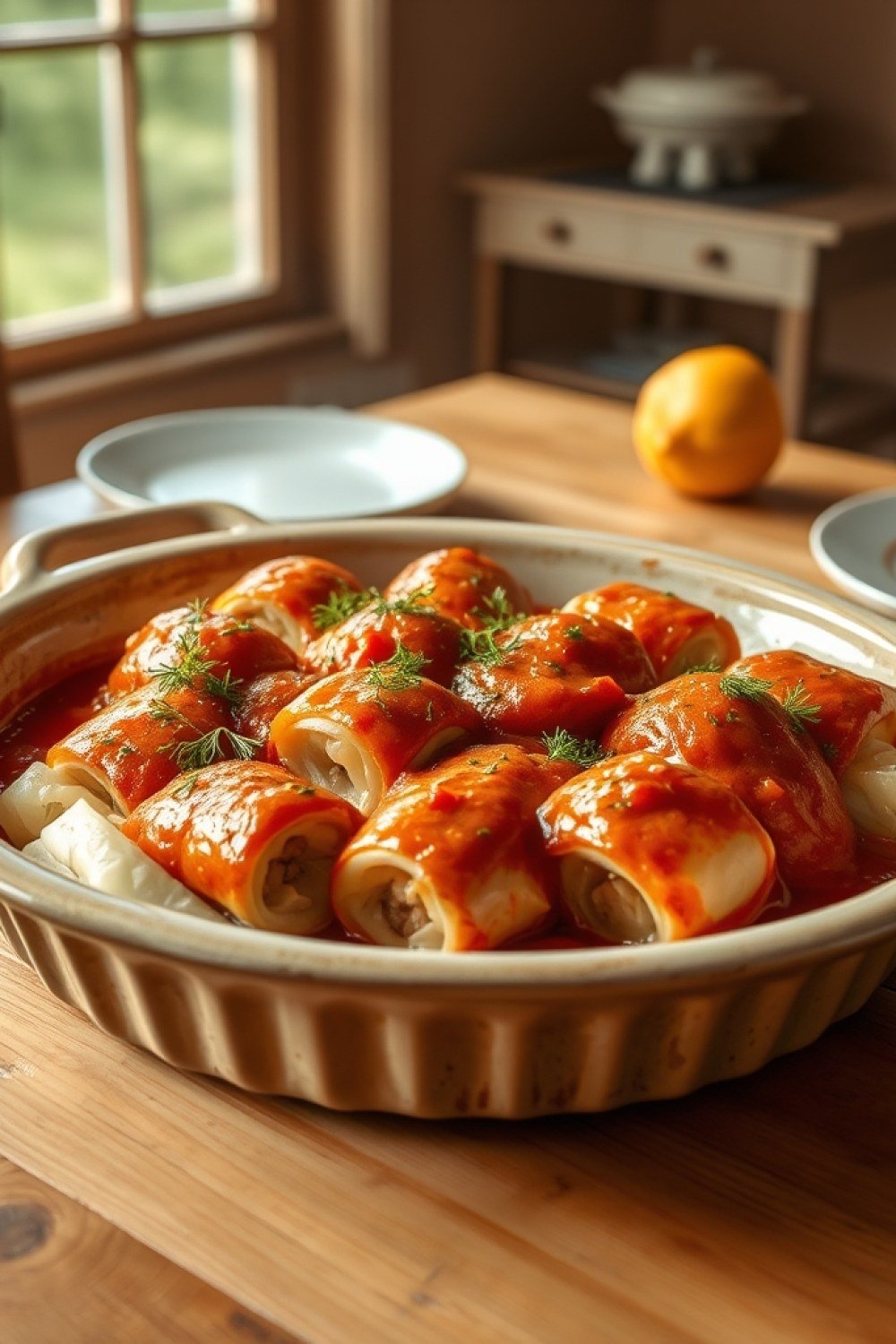
Traditional gołąbki filling is a 50/50 blend of ground pork and beef, though some families go heavier on the pork for juiciness. For every 1 pound of meat, use 1 cup of cooked white rice, plus one finely chopped onion sautéed in butter until deeply golden — that browning is where most of your flavor comes from. Season with salt, pepper, and a splash of milk or water to keep the mixture moist, and add one egg if you want a firmer set.
Mix with your hands just until everything comes together — overmixing crushes the rice and turns the filling dense and pasty.
3. Rolling Technique: How to Wrap Without Tearing
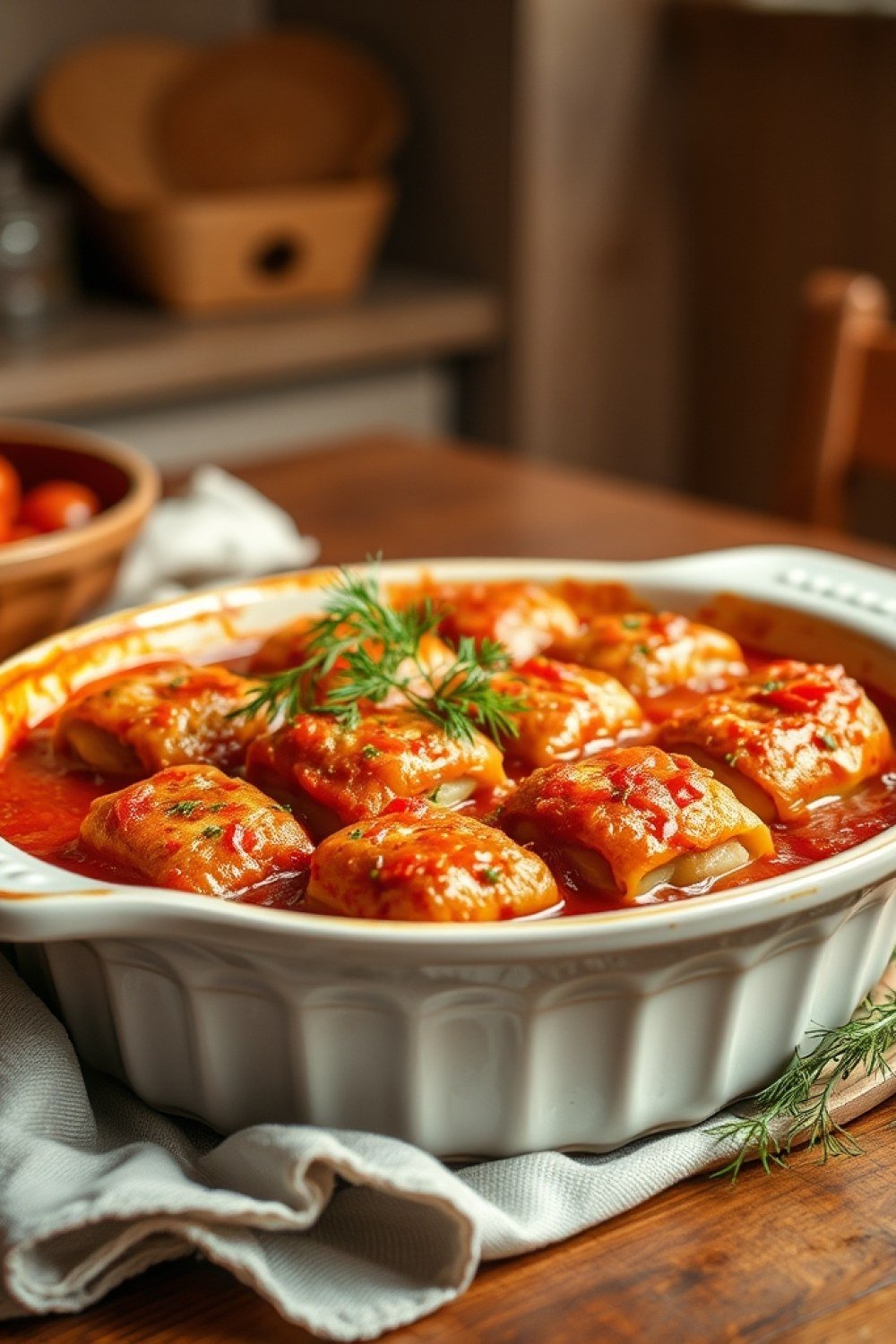
Lay a leaf flat with the vein side up and shave down the thick central stem with a paring knife until it sits level with the rest of the leaf. Spoon 2–3 tablespoons of filling near the stem end, fold that end over the filling, fold in both sides like an envelope, then roll firmly but gently toward the tip. An ice cream scoop keeps every roll the same size so they cook evenly, and small inner leaves are perfect for patching any cracks that appear. If a roll still feels loose, pin it with a toothpick and remove it before serving.
Keep your filling portions small — an overstuffed roll bursts at the seams no matter how neatly you fold it.
4. Cooking Methods: Bake, Simmer, or Slow Cook
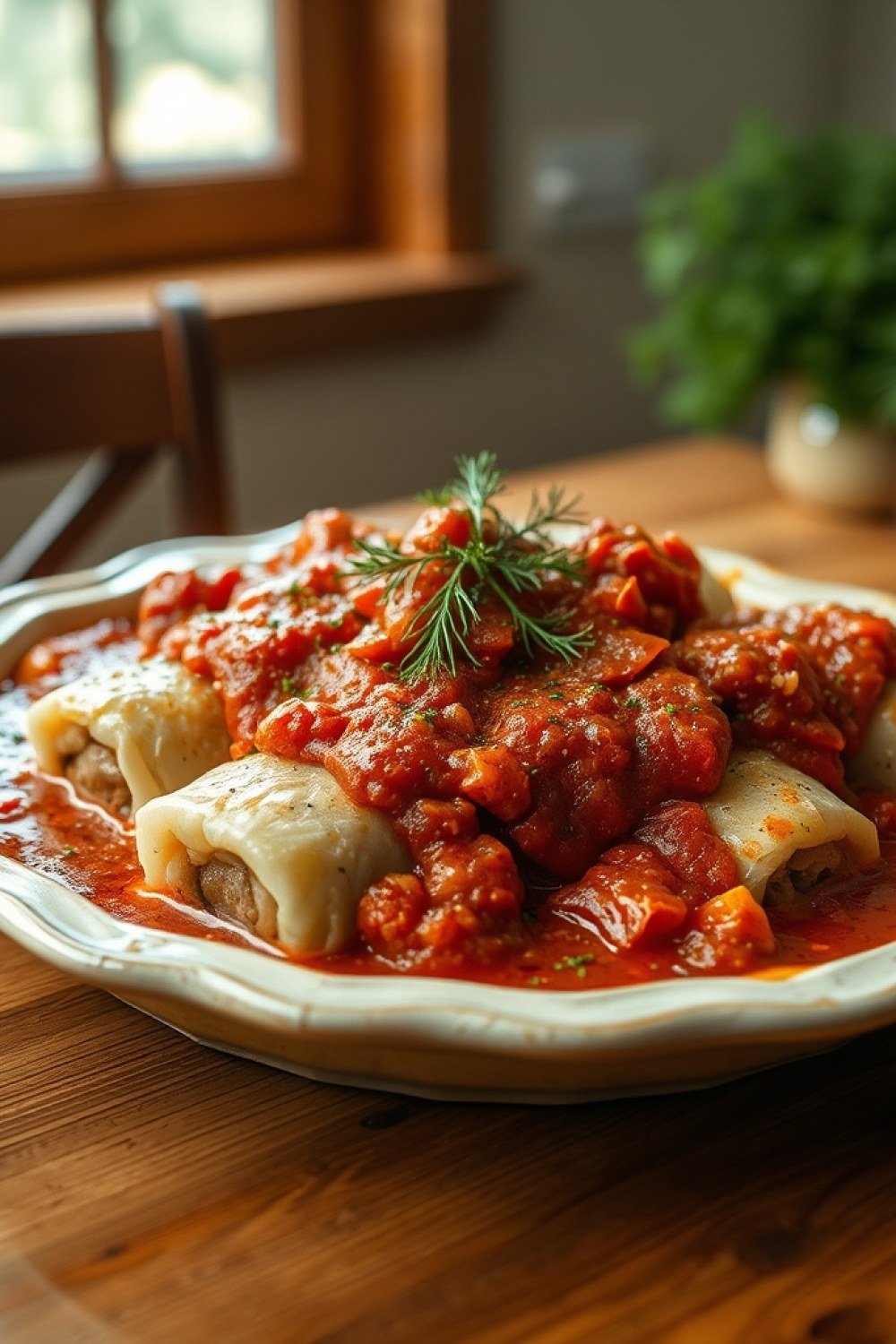
Baking gives you the most flavor: arrange the rolls seam-side down in a baking dish, cover with tomato sauce or broth, and bake at 350°F for about 1.5 hours for a slightly caramelized edge. Simmering in a deep pot of broth or salted water for 1 hour produces the moistest, most delicate rolls and gives you a rich cooking liquid to serve over them. The slow cooker is the most hands-off route — layer the rolls with sauce and cook on low for 6–8 hours while you get on with your day.
Match the method to your schedule, but always keep the rolls covered with liquid for at least the first two-thirds of the cooking time so they don’t dry out.
5. Sauce Options: Tomato, Mushroom, or Plain
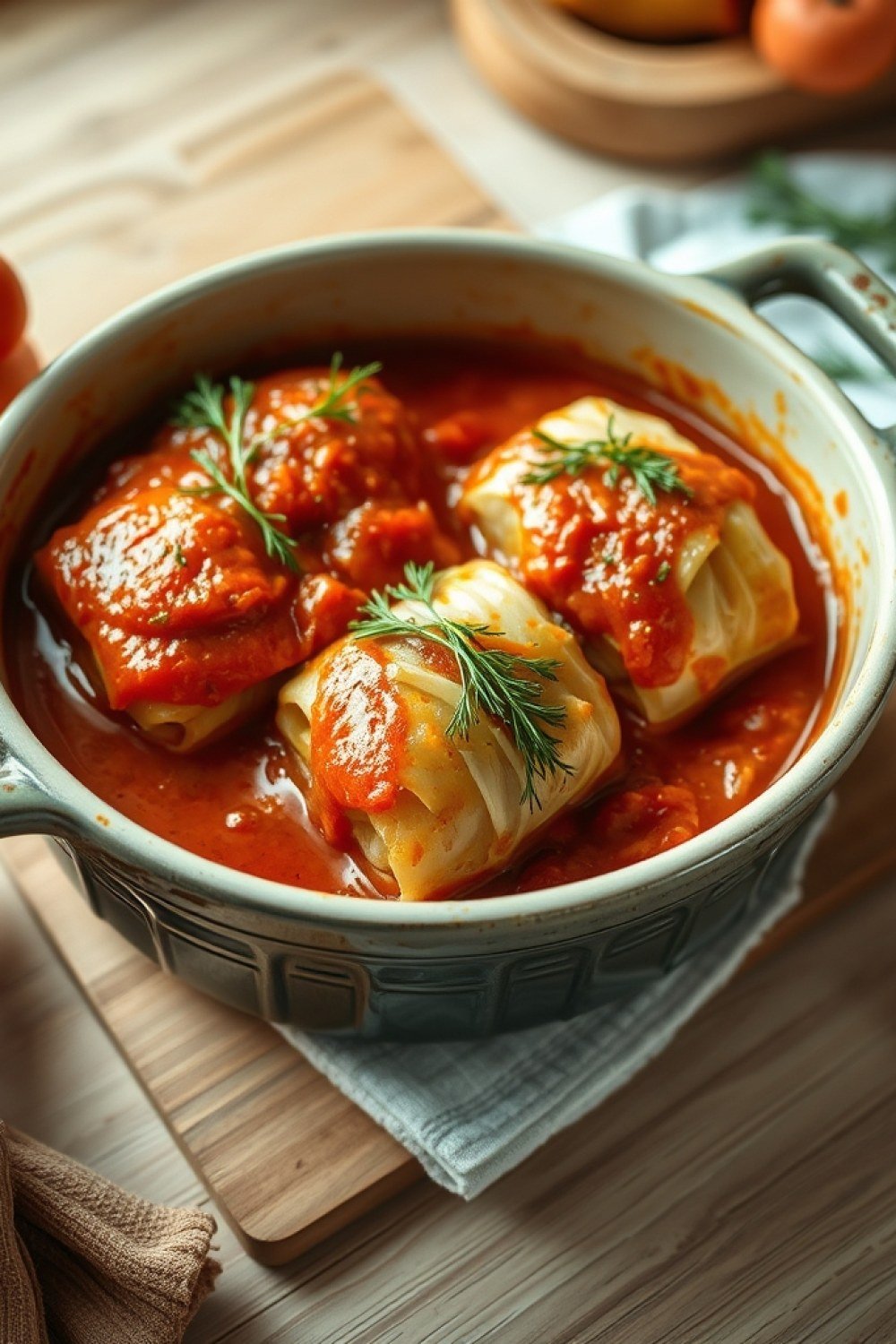
A classic Polish tomato sauce starts with onion sautéed in butter, then crushed tomatoes, garlic, and a pinch of sugar to cut the acidity, simmered until it thickens. Mushroom sauce — sliced mushrooms softened with onion, then finished with broth and a spoonful of sour cream — is richer and pairs beautifully with the pork-beef filling. If you want something lighter, simply spoon the seasoned broth the rolls cooked in over the top, or go for a dill cream sauce for a distinctly Polish finish.
Taste your sauce before it goes in the oven and adjust the salt, sugar, and pepper — a flat sauce will flatten the whole dish.
6. Make-Ahead and Freezing Instructions
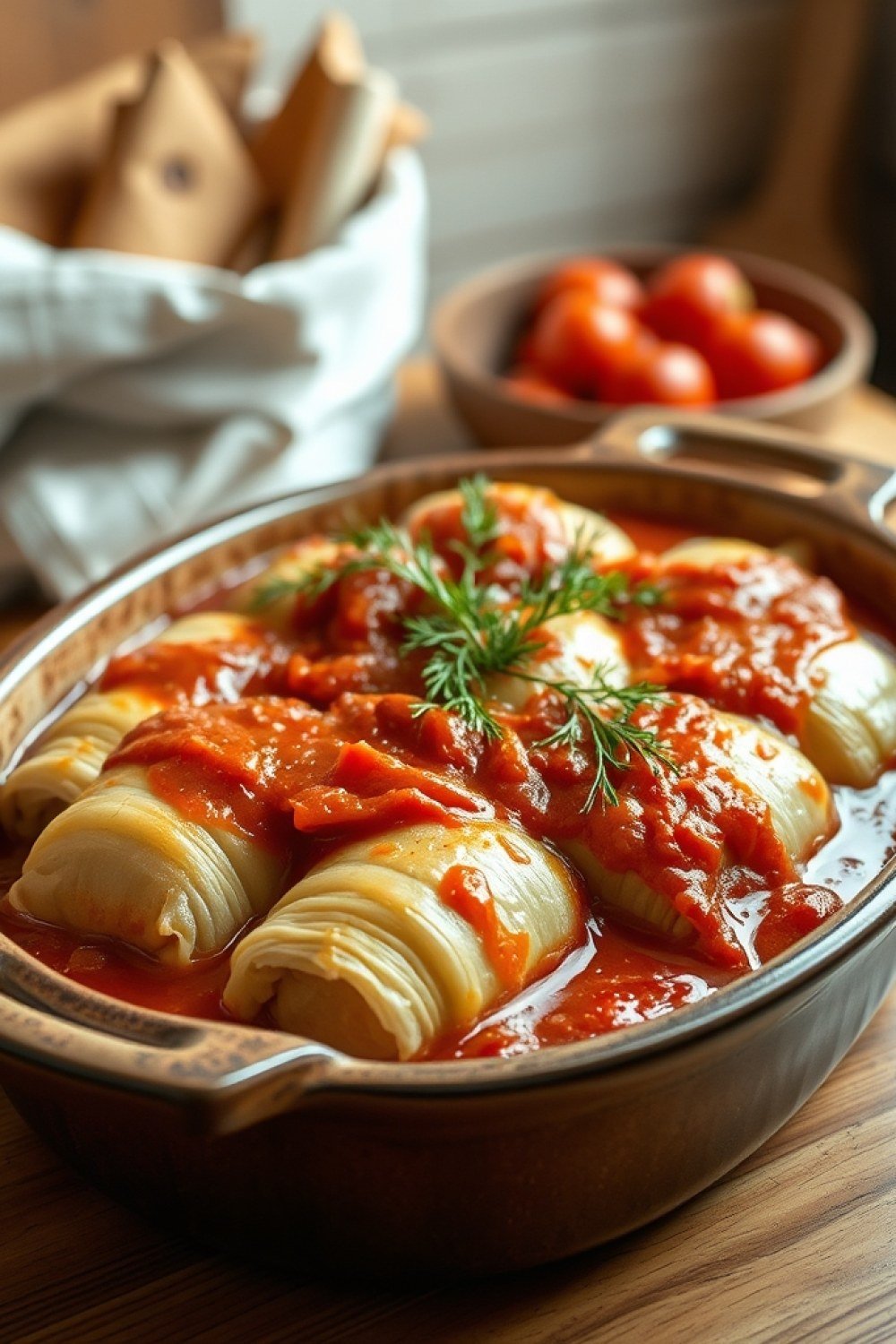
You can assemble the rolls up to 24 hours ahead and refrigerate them covered, which makes gołąbki genuinely weeknight-friendly. To freeze, set uncooked or cooked rolls in a single layer on a baking sheet, freeze until solid, then transfer them to freezer bags where they’ll keep for up to 3 months. Bake from frozen at 350°F for 2 hours covered, then uncover for the last 30 minutes to let the tops brown.
Double the batch whenever you make them — the second tray costs you almost no extra effort and saves you a future dinner.
7. Vegetarian and Gluten-Free Variations
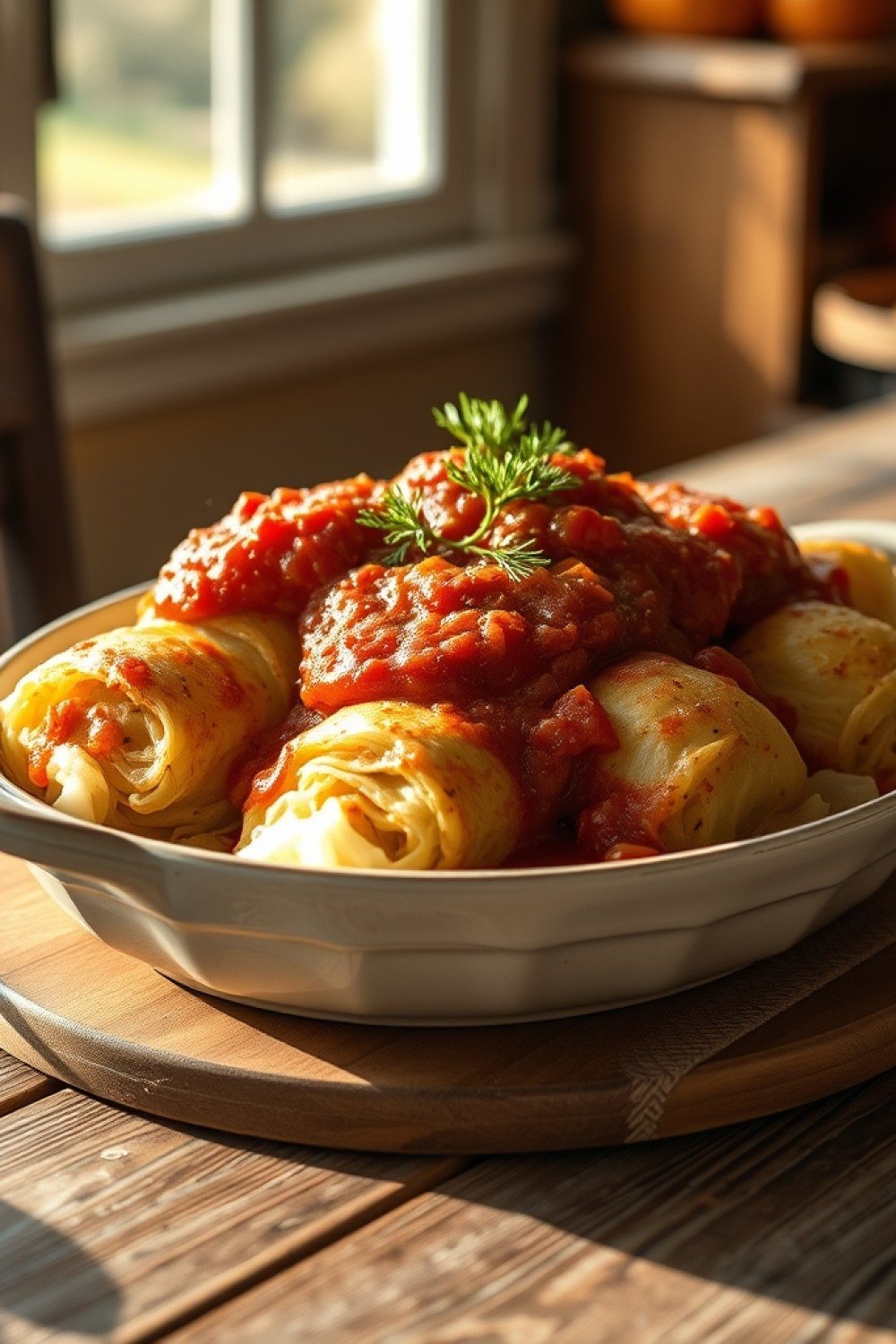
For a vegetarian version that still eats like a hearty meal, swap the meat for cooked lentils, finely chopped mushrooms, and rice, and simmer everything in vegetable broth instead of beef stock. Gluten-free gołąbki are straightforward since rice is naturally gluten-free — just check that your broth, tomato sauce, and any condiments carry a gluten-free label, and use tamari in place of soy sauce wherever a recipe calls for it. Both versions hold up to the same rolling, baking, and freezing techniques as the classic.
Cook your lentils and mushrooms down until they’re dry before mixing — excess moisture is what makes vegetarian fillings soggy.
8. Serving Suggestions: What to Pair with Gołąbki
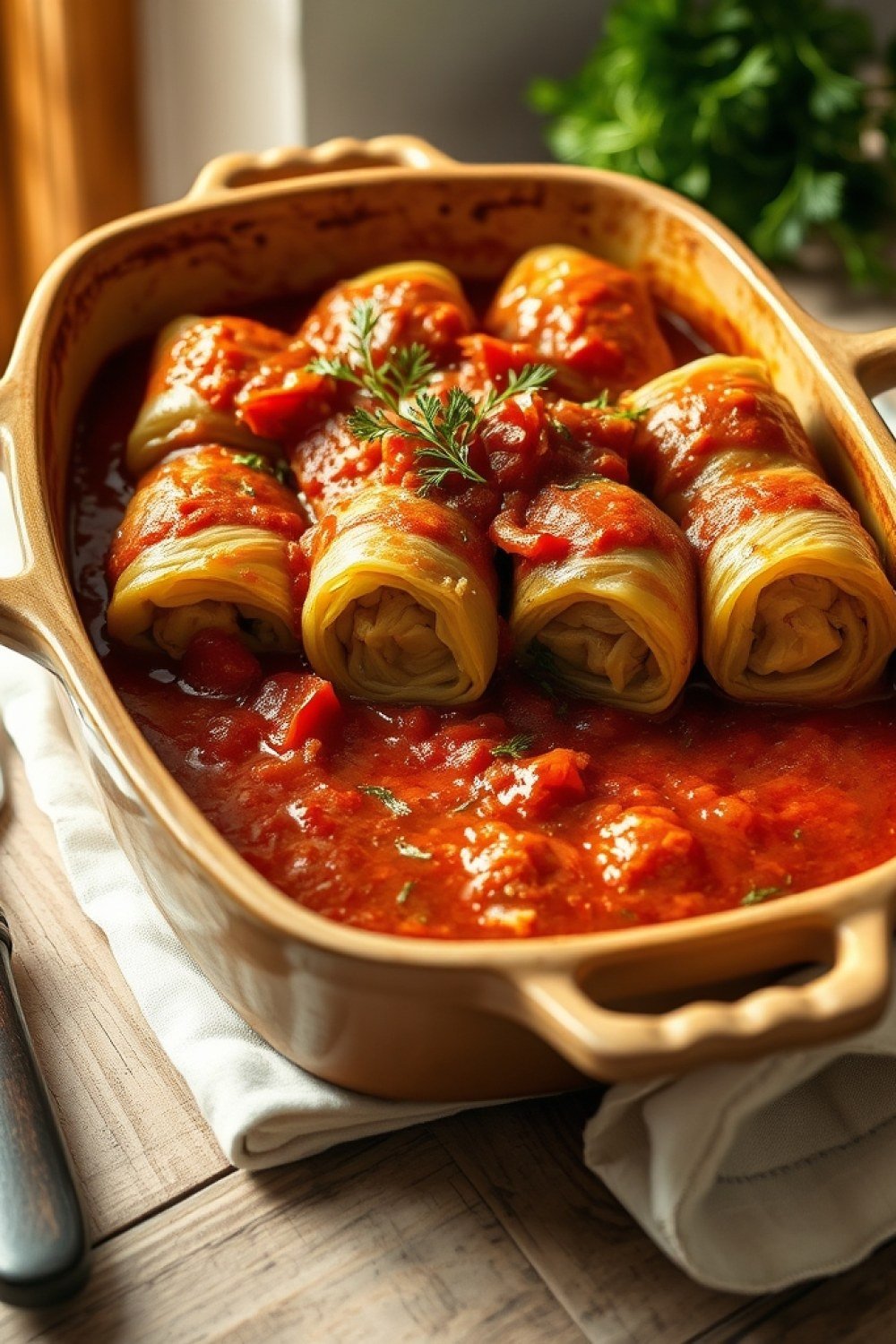
In Poland, gołąbki usually land on the table with boiled potatoes or thick slices of crusty bread to mop up the sauce, plus a generous spoonful of sour cream. For a lighter plate, pair them with a simple cucumber salad in vinegar and dill, or steamed green beans dressed with butter. A scatter of fresh dill or parsley over the top adds color and a bright, herby note, and in summer, a chilled bowl of chłodnik (cold beet soup) makes a traditional and refreshing companion.
Warm your plates or bowls before serving — gołąbki cool fast once they leave the oven and taste best piping hot.
9. Troubleshooting: Fixing Common Gołąbki Problems
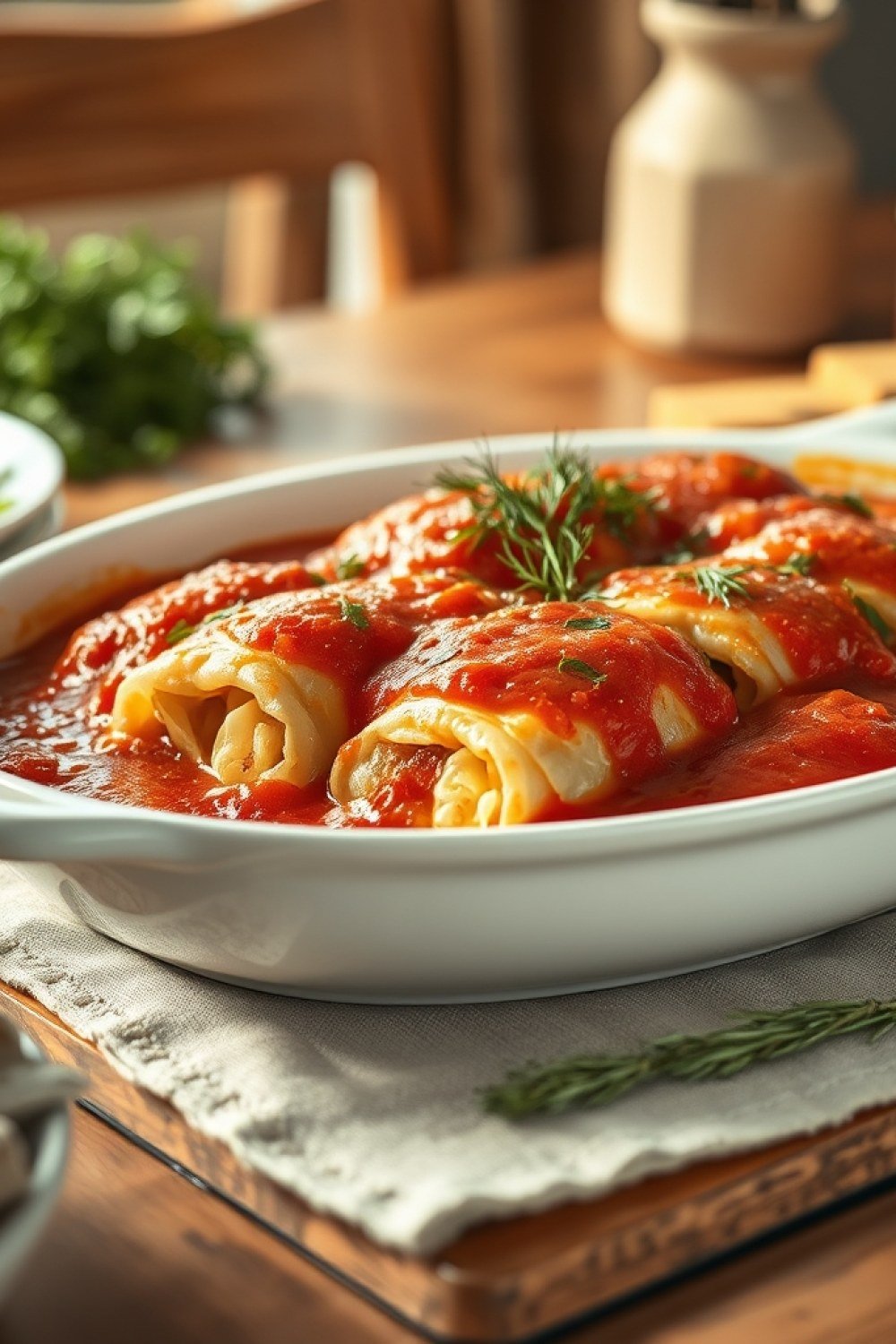
If your rolls taste bland, the fix is almost always in the filling: add more salt and pepper, and sauté the onions until they’re deeply golden rather than just translucent. Rolls that fall apart usually need tighter rolling with less filling, or a toothpick to hold the seam. A sauce that’s too thin will thicken if you simmer it uncovered for 10–15 minutes or whisk in a tablespoon of flour, and tough leaves just need a longer steam before rolling.
Salt the water you boil or steam the cabbage in — seasoning the leaf itself is a step most people skip, and it makes a real difference.
10. Regional Twists: How Different Cultures Make Cabbage Rolls
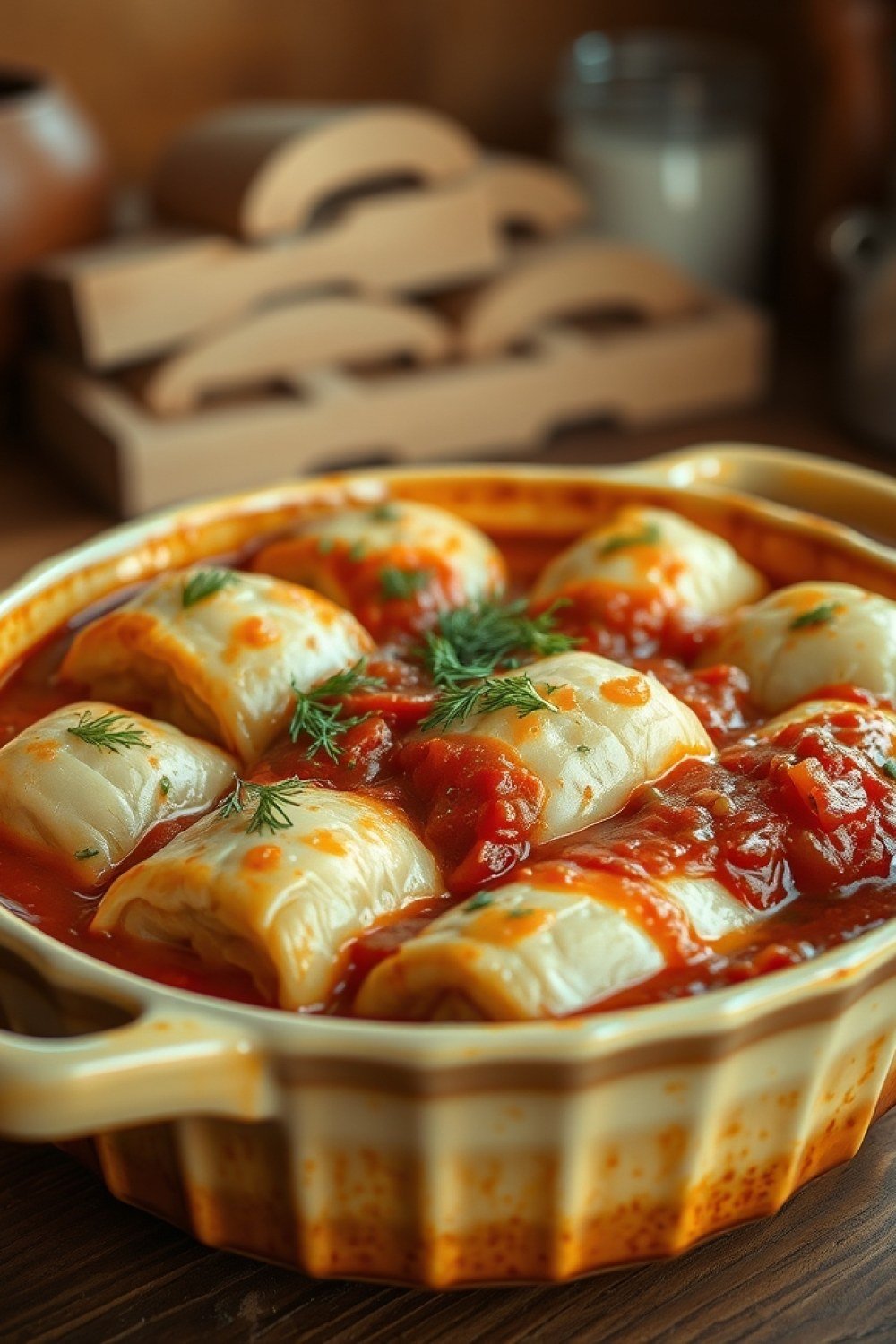
Gołąbki belong to a whole family of stuffed cabbage dishes, and each tradition brings its own character. In parts of Poland, buckwheat groats replace rice for a nuttier, earthier filling, while Ukrainian holubtsi often use cornmeal or rice and are sometimes made entirely meatless. Jewish holishkes take a sweet-and-sour route with raisins, lemon, and a touch of brown sugar, and adding smoked paprika or a little diced bacon to your filling gives a smoky twist that works with any of them.
Pick one twist per batch rather than combining them all — a single, clear flavor direction always tastes better than a muddle.
FAQs
Can I make gołąbki without boiling the cabbage?
Yes. Freeze the whole head of cabbage overnight, then thaw it, and the leaves will be pliable enough to roll. You can also microwave the cored cabbage for 8–10 minutes until the leaves soften. Boiling is traditional, but it’s not the only way.
How do I prevent my cabbage rolls from falling apart?
Roll them tightly, tuck in the sides, and avoid overfilling. A toothpick through each roll adds security if you’re worried, and don’t overcrowd the pot or baking dish — they need space to hold their shape.
What’s the best rice to use for gołąbki?
Long-grain white rice works best because it stays separate instead of turning sticky. Cook it slightly underdone so it can absorb moisture from the meat and sauce as the rolls bake.
Can I freeze gołąbki?
Absolutely, either uncooked or cooked. Freeze them in a single layer on a baking sheet until solid, then transfer to freezer bags for up to 3 months. Bake from frozen, covered, at 350°F for about 2 hours.
What sauce goes best with gołąbki?
A simple tomato sauce is the classic choice, but mushroom sauce and dill cream sauce are both delicious. For something lighter, use the broth they cooked in, or try a sweet-and-sour tomato sauce with a touch of sugar and vinegar.
Planning Your Gołąbki Cooking Session
Now that you have these tips, choose the method that fits your week rather than trying to do everything at once. If you’re short on time, freeze the cabbage the night before and use the microwave or slow cooker on the day; if you have a free weekend afternoon, boil the leaves, roll a big batch, and freeze half in a single layer before bagging. The active work — softening leaves, mixing filling, rolling — takes about 90 minutes for a double batch, and it’s far easier to do once than twice.
Remember that the key to great gołąbki is soft leaves, a well-seasoned filling, and gentle rolling. Keep your first batch simple with the classic pork-beef and tomato sauce combination, taste the filling before you roll it, and save the buckwheat, lentil, or sweet-and-sour variations for once the technique feels second nature.