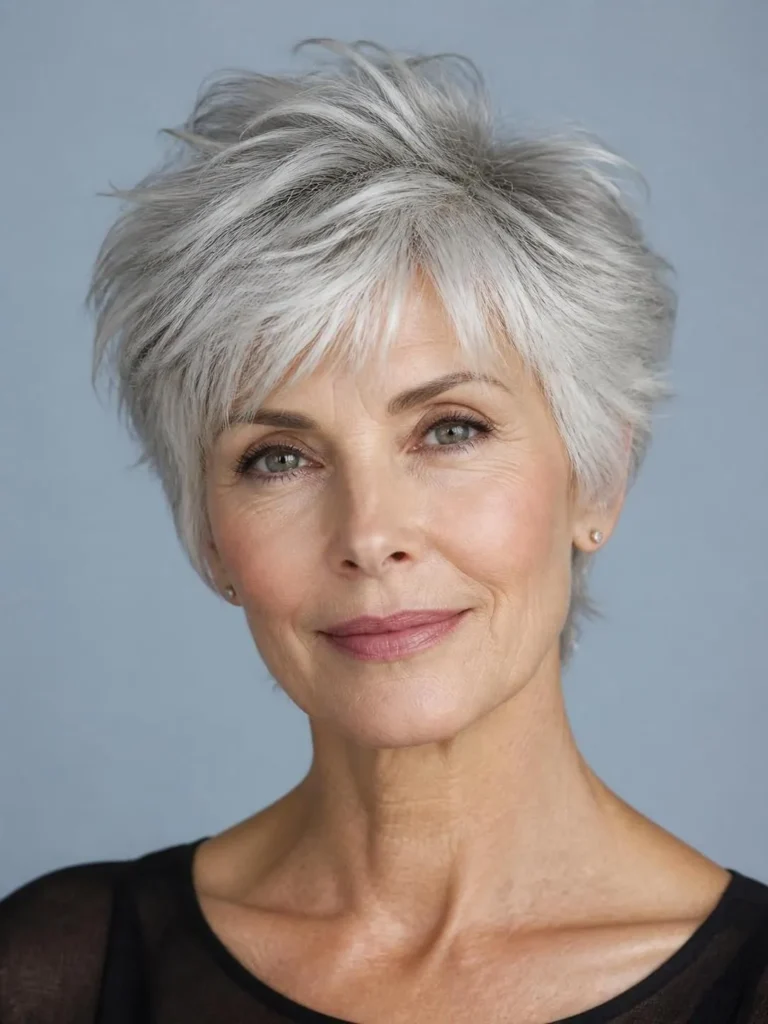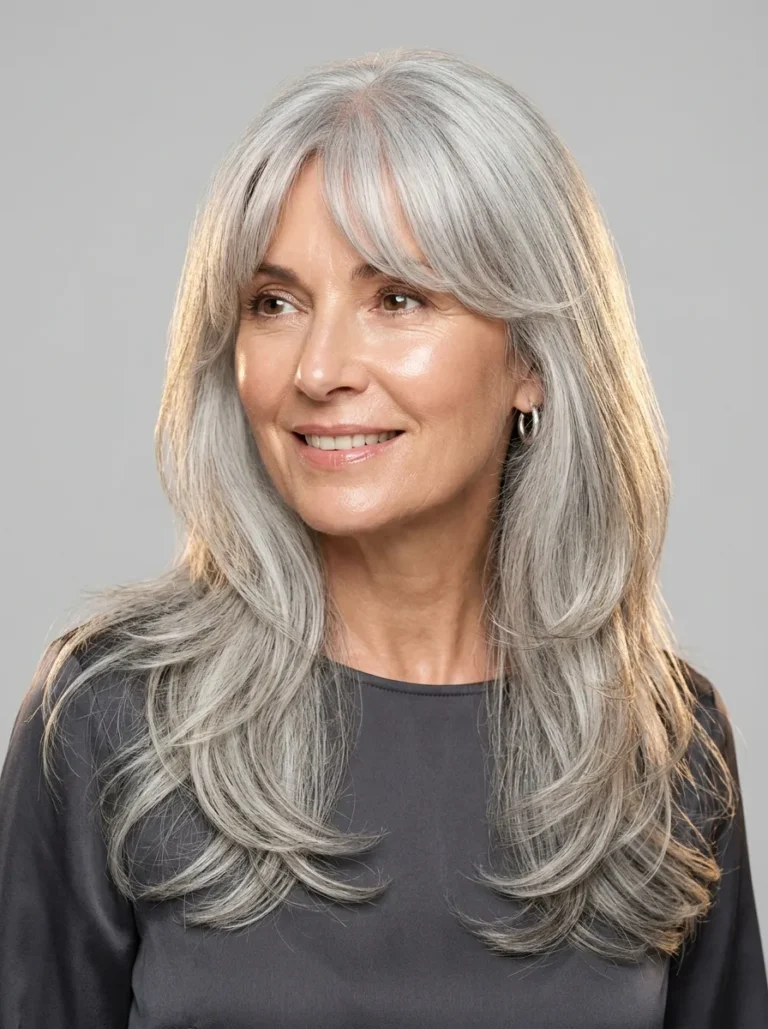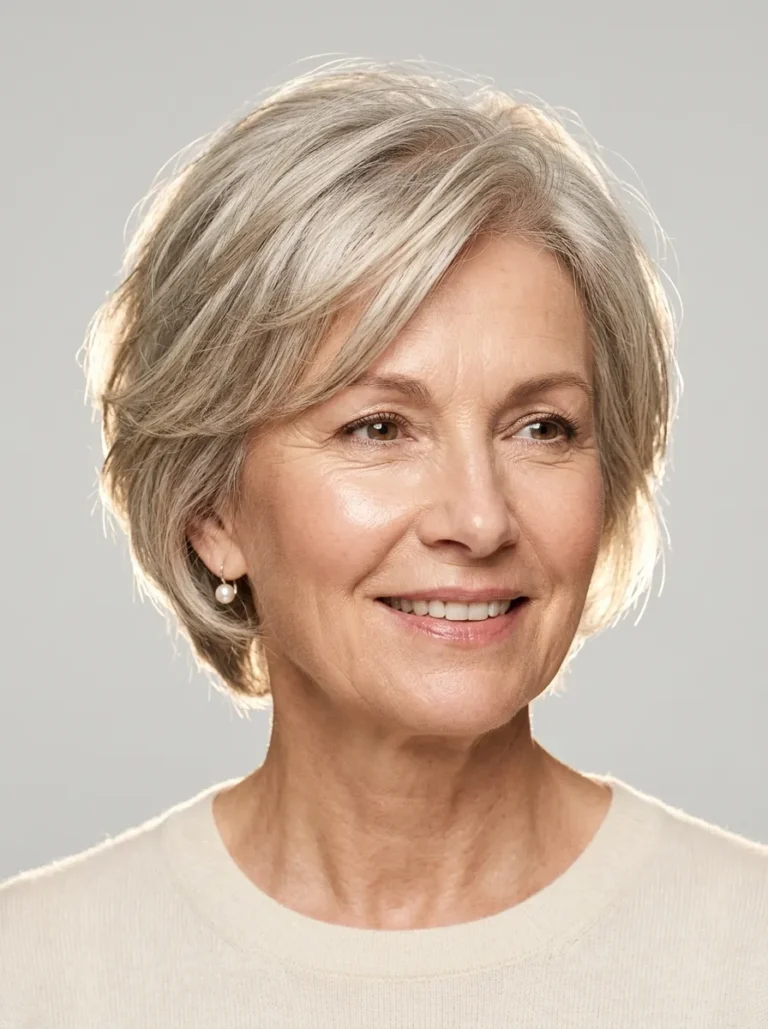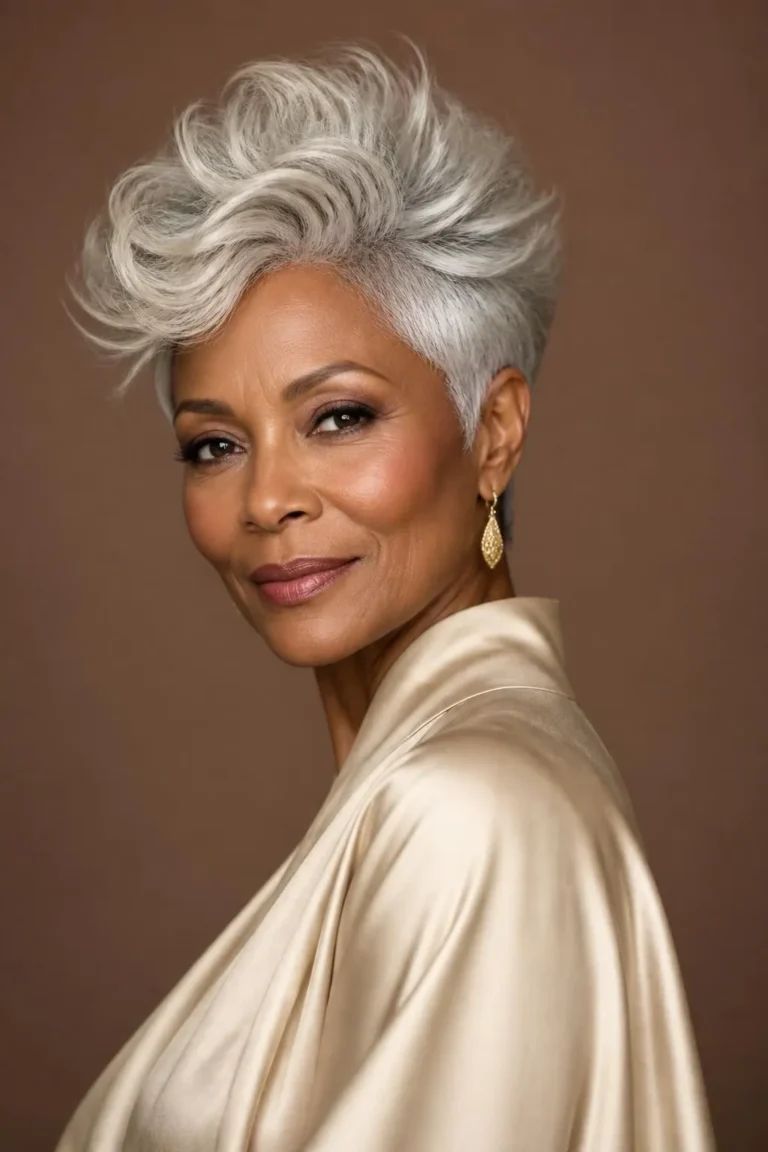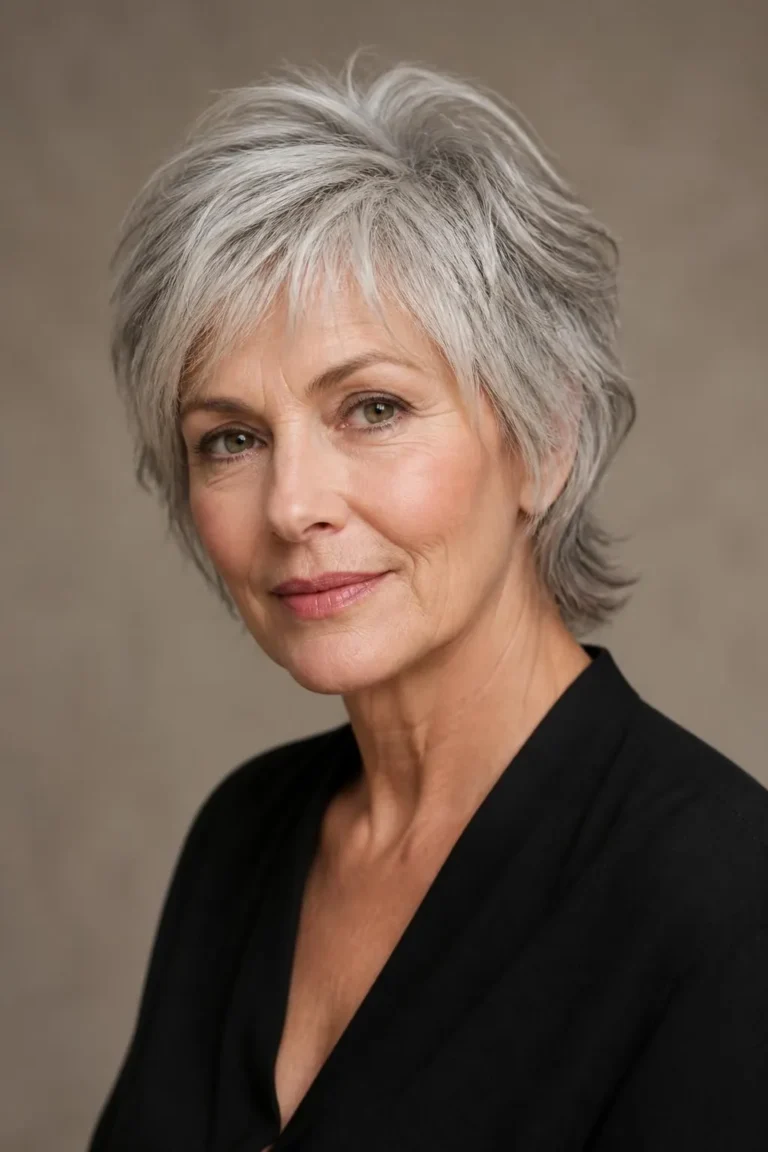
18 Flattering Short Bob Haircuts for Thin Fine Hair That Boost Volume
A short bob becomes your secret weapon when you have thin or fine hair. The right cut transforms your entire look by creating the illusion of density without requiring endless styling effort. These carefully chosen styles work with your hair texture instead of against it. Below are 18 short bob haircuts for thin fine hair, selected for their ability to add fullness, create shape, and maintain their style between salon visits. Each style includes expert tips for asking your stylist for the perfect customization and simple techniques to make your hair look its thickest every single day.
A-Line Bob with Beveled Edges

This angular shape works beautifully because it sits shorter at the back and gradually elongates toward your face. Salon request: Ask for light beveling at the ends rather than sharp bluntness to keep it feeling modern. Styling trick: A quick flip under with a round brush instantly makes fine hair appear denser and fuller. Daily routine: Blow dry with focus on lifting at the roots for maximum volume that actually holds.
Bixie Hybrid Cut

The perfect blend between a pixie and a classic bob, this style uses airy layers to lift the crown where most fine hair lacks body. Root boost: Soft layers throughout prevent the see-through appearance that makes fine hair look limp. Product pick: Apply a pea-sized amount of mousse to damp roots and rough dry for soft, natural-looking volume. Best for: Anyone whose hair flattens immediately after washing.
Blunt Chin-Length Shape

This is honestly the most transformative cut for anyone with thin, fine hair who wants an instant fullness boost. Why it works: The sharp, clean edge at the ends makes every strand appear thicker and denser. Salon note: Keep layers to an absolute minimum to maintain that strong perimeter. Quick look: Tuck one side behind your ear and add lightweight texture spray for grip that lasts.
Chin-Length Bob with Soft Curtain Bangs

A rounded, feminine shape with subtle internal layering that prevents any heaviness around the face. Layer strategy: Request longer layers only through the top section to avoid thinning the perimeter. Styling method: Blow dry moving forward first, then gently smooth the ends backward for a polished finish. Texture: The soft bend through the ends catches light and makes hair look fuller.
Soft Textured Layers Throughout

This style combines gentle layering with a rounded silhouette that flatters fine hair textures beautifully. Layering approach: Subtle, graduated layers add movement while maintaining enough density at the ends. Daily styling: Blow dry upward at the roots for lift, then smooth everything into place for dimension. Product pairing: A lightweight styling cream prevents the flyaway effect common with fine hair.
Deep Side-Part Strategy

Sometimes the most effective volume trick is simply where you part your hair and how you distribute the strands. Parting magic: A deep side part stacks more hair on one side, creating an instant optical illusion of thickness. Length sweet spot: Keep your cut just past the jawline to maximize volume at the front where it matters most. Finish: A light mist of flexible-hold spray locks in movement without weighing anything down.
Textured Shaggy Layers for Movement

The choppy, piecey texture of this style makes individual strands look more numerous and full of personality. Why shaggy works: Fine hair actually thrives with texture that creates the appearance of more strands naturally. Cutting technique: Tell your stylist to use point cutting, never heavy thinning shears that create gaps. Product method: Scrunch a texturizing cream through damp hair and allow it to air dry for effortless texture.
Glass Hair Smooth Bob
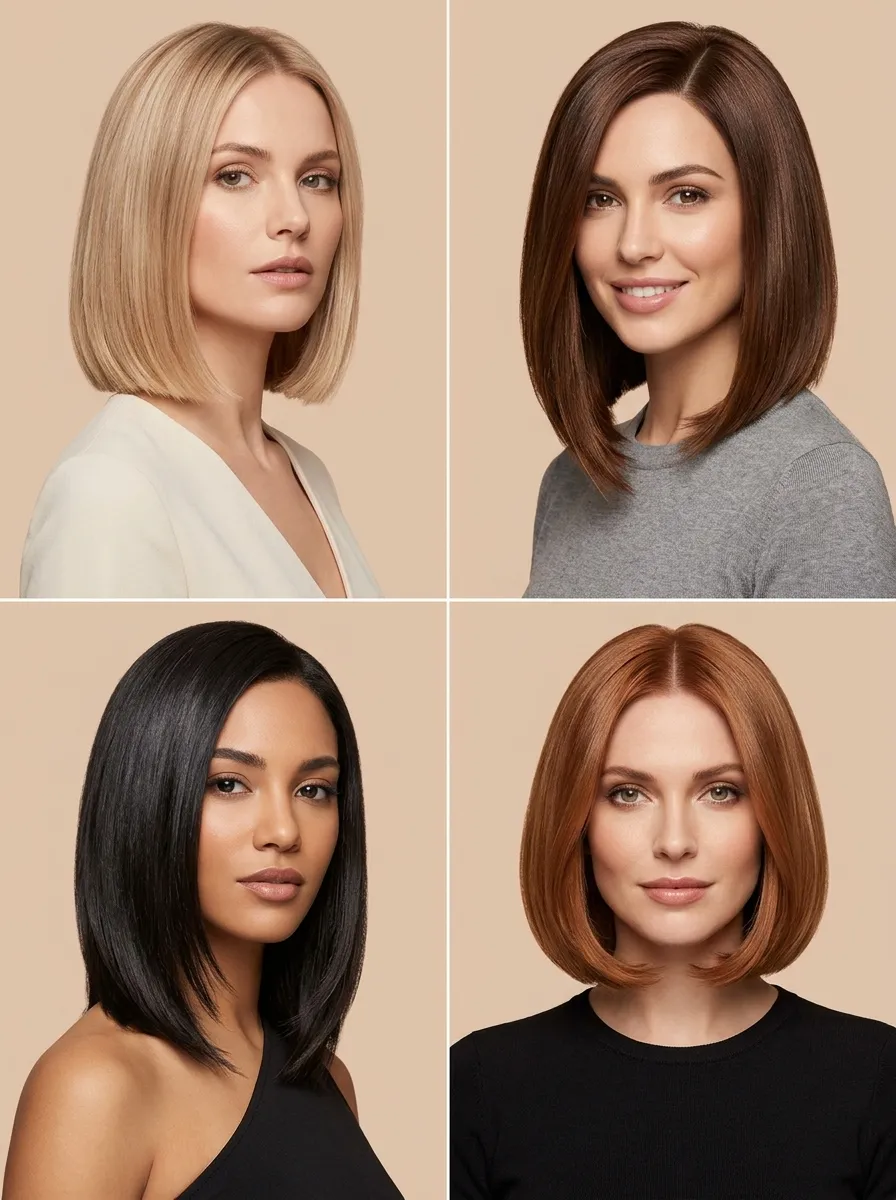
If you love a sleek, polished aesthetic, this glossy bob delivers sophistication while maintaining fullness. Sleek secret: The clean, sharp line at the ends is what makes the entire effect work for thin hair. Technique: Use a heat protectant spray, then flat iron in small sections to create that glass-like shine. Final touch: A few drops of shine serum at the ends adds luminosity without flatness.
Graduated Back with Forward Layers
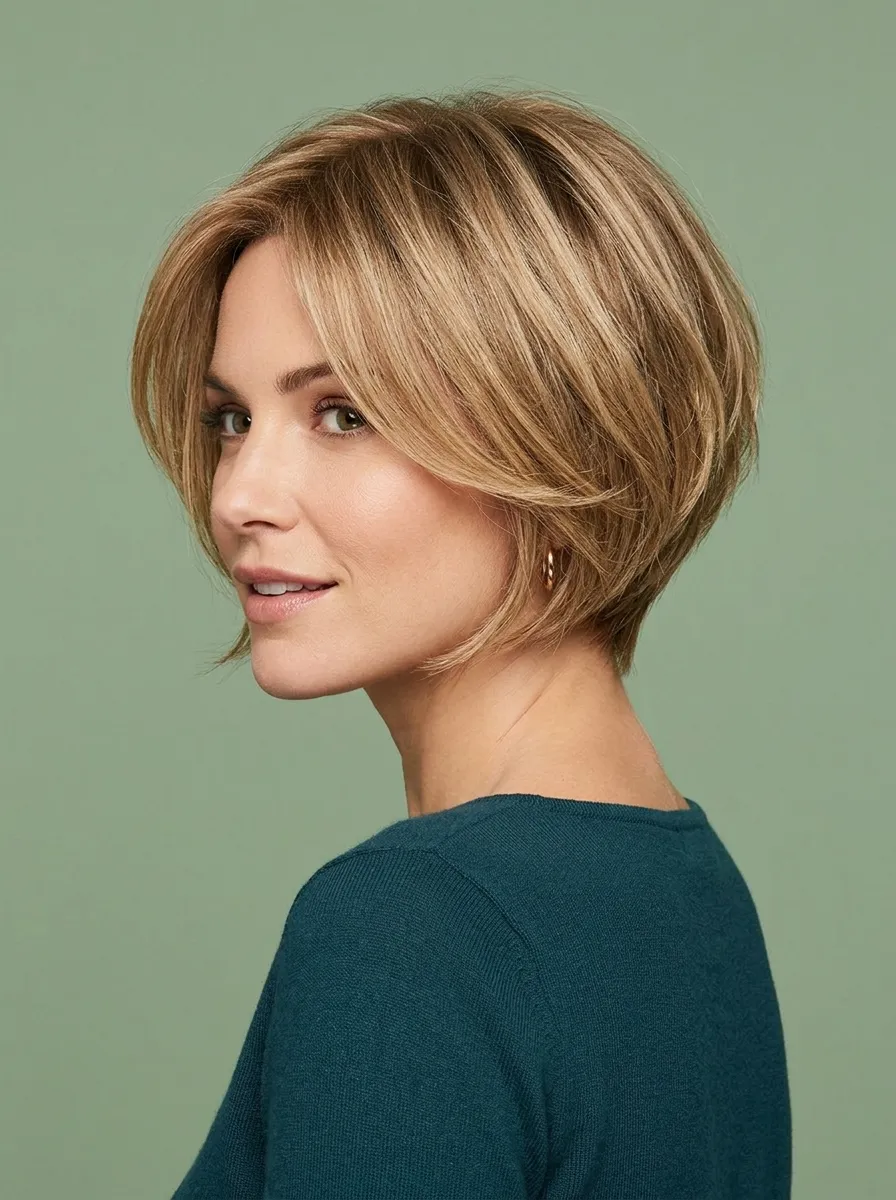
This style builds strategic weight at the back, making thin hair look thicker from every angle imaginable. Stacking benefits: Layers graduate shorter toward the crown, lifting fine hair where it needs support most. Ask your stylist: Request a soft graduation rather than a harsh wedge shape for a modern look. Blow dry method: Work a small round brush at the roots while blow drying upward for lasting volume.
Sleek Side-Swept Length

A one-length bob with minimal internal layering that sweeps gently to one side for softness without bulk. Why minimal layers: Less layering means more density at the perimeter, which creates the fullness you want. Styling product: Apply a smoothing cream evenly through damp hair before blow drying. Brush technique: Dry with a flat brush to keep everything smooth and contained without airy texture.
Razor-Cut Textured Layers

This style features razor-cut texture that adds dimension while maintaining the integrity of fine hair strands. Razor technique: Ask for light texture through the surface layers only, never deep into the hair structure. Root placement: Apply dry shampoo at the roots before styling to add grip and texture instantly. Shake and go: The beauty is that you can literally shake it out and look effortlessly styled.
Italian Bob Rounded and Full

This sophisticated European style has that rounded, fuller shape that looks expensive without requiring high-maintenance styling. Shape benefit: The soft bend through the ends creates natural movement and bounce. Layering request: Ask for light internal layers that keep the bob bouncy and responsive to styling. Volume builder: A quick blow dry with a round brush adds body fast and makes a huge difference.
Jaw-to-Chin Perfect Length

Finding that sweet spot between your jaw and chin actually makes a significant difference in how full your hair appears. Length magic: This length helps fine hair look thicker at the perimeter because it hits at the widest point of your face. Blunt versus soft: Keep ends blunt, then add a gentle side sweep for softness without sacrificing density. Root spray: If your hair falls flat at the roots, apply root spray before blow drying for instant lift.
Modern Razor-Cut Movement
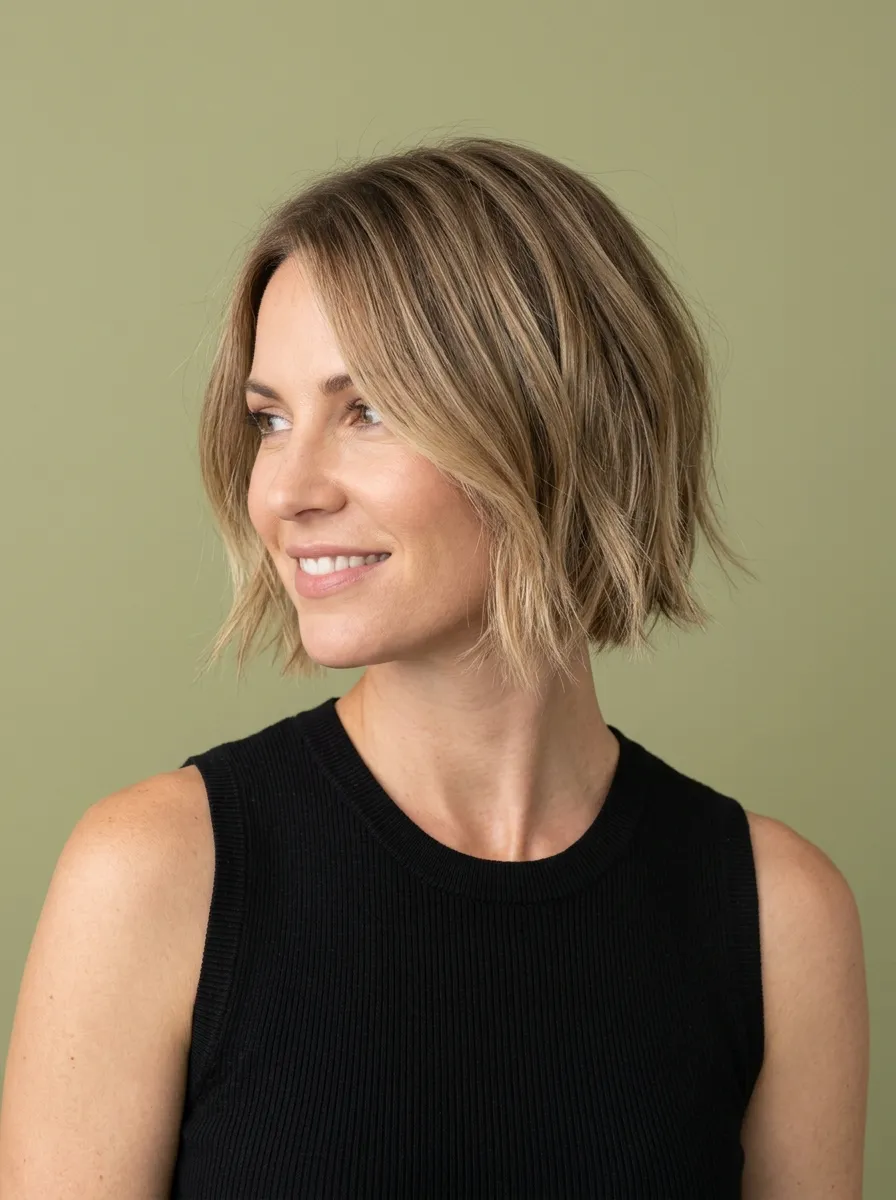
This contemporary take on razor cutting gives movement and dimension without that stringy appearance that can plague fine hair. Baseline importance: Tell your stylist to keep the baseline strong and clean, never choppy or thinned out. Styling approach: Work a light cream through damp strands and finger dry for a touchable, lived-in feel. Tousle technique: Just a little tousle brings out the texture and makes everything look fuller.
Short Blunt Perfection
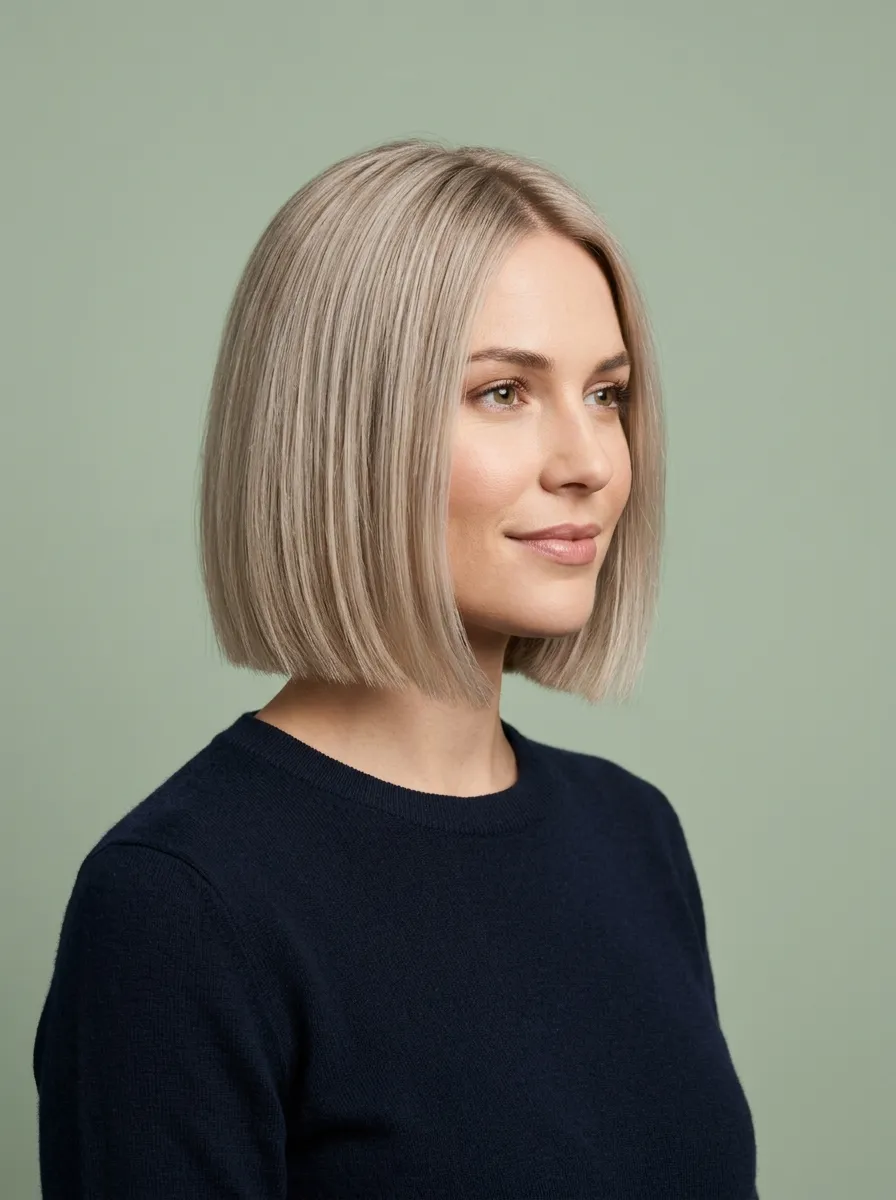
Sometimes the simplest styles make the biggest impact, and a short blunt bob is the gold standard for fine hair. Sharp edges: The blunt edges make your ends look immediately thicker than they actually are. Layer minimalism: Keep layers extremely minimal to maintain that strong, dense perimeter that makes hair look full. Polish option: If you want extra polish, flat iron just the bottom inch and tuck one side behind your ear.
Short Layered Crown Lift
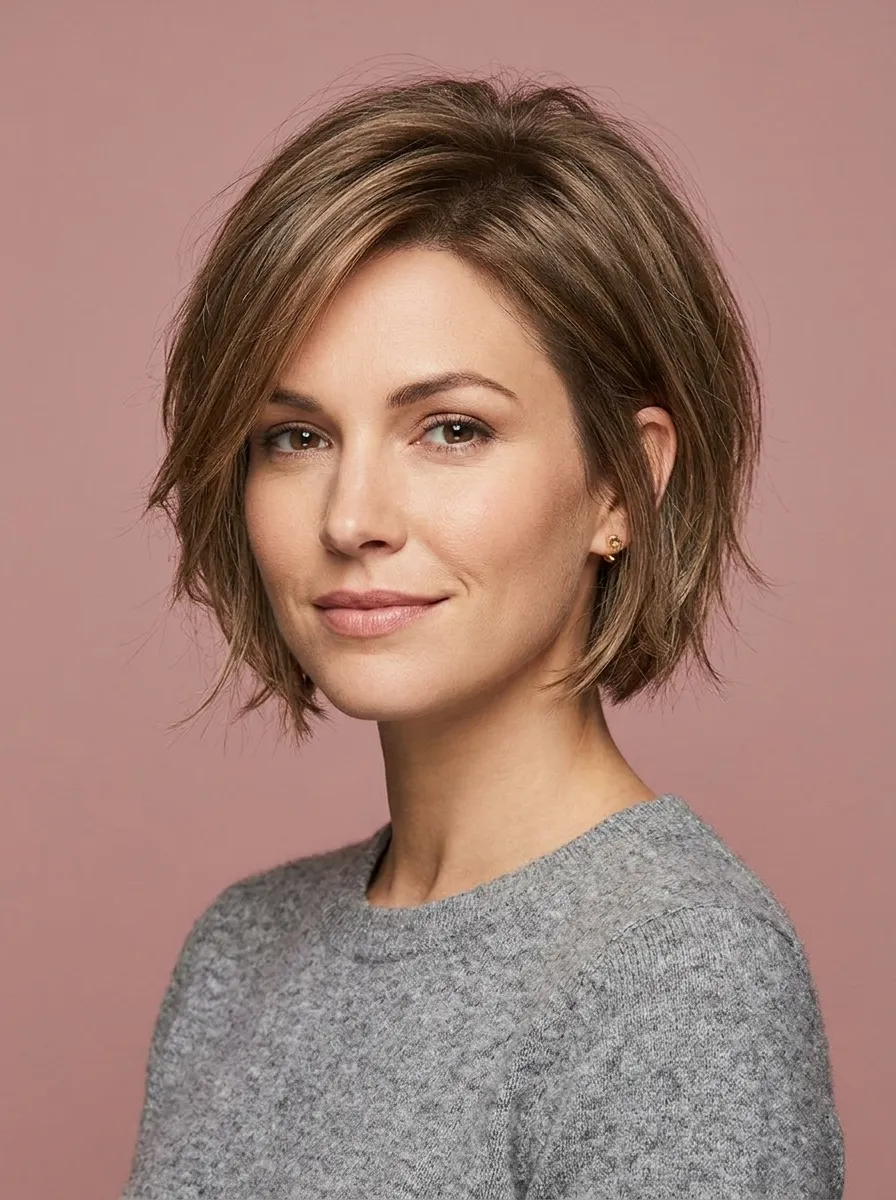
This style strategically places layers at the crown where fine hair typically needs the most support and volume help. Crown support: The layers are soft and intentional, never shredded or over-textured for a messy appearance. Outline fullness: Despite the layers, the overall outline stays full because nothing is removed from the perimeter. Volume technique: Blow dry the top section forward first, then flip it back for volume that lasts throughout the day.
Stacked Back Weight and Shape
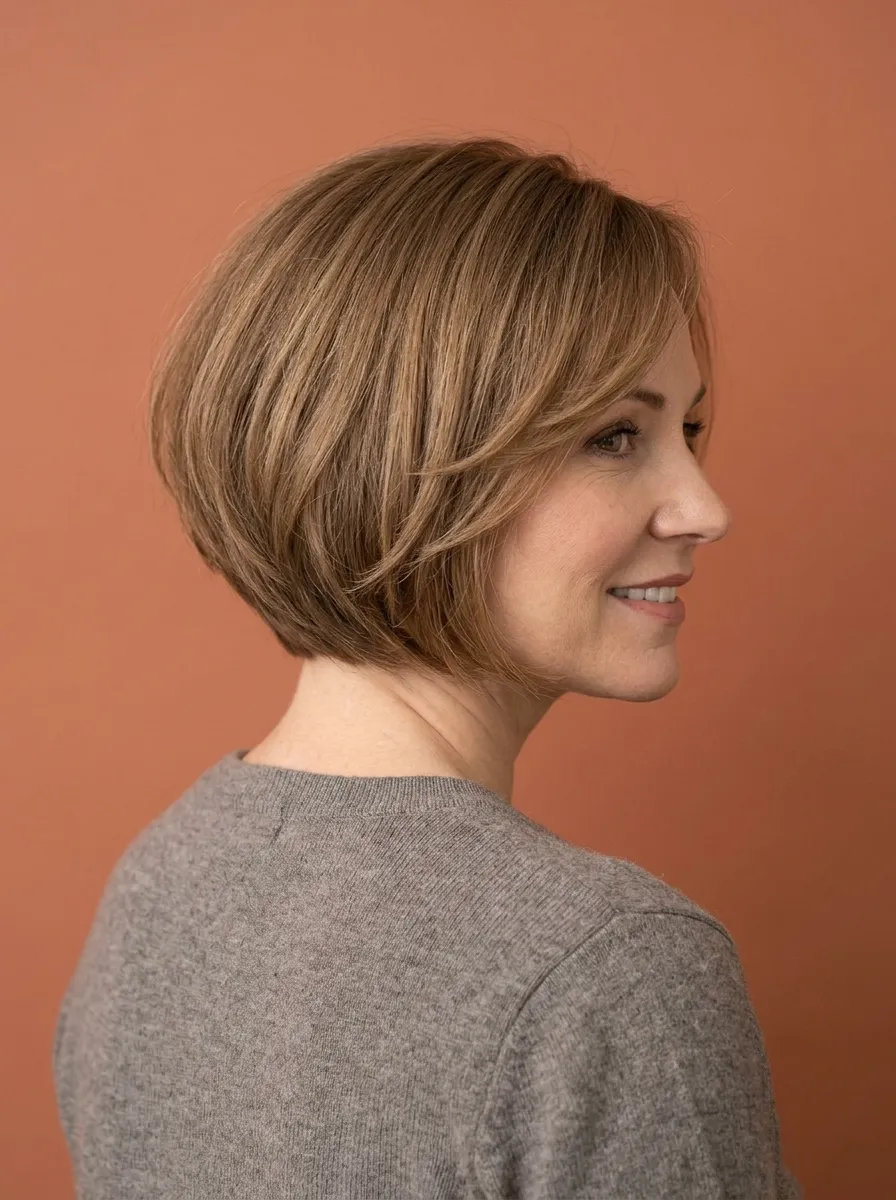
Stacked layers in the back create built-in structure that prevents thin hair from collapsing flat or looking limp. Stacking benefits: The graduated stacking naturally lifts at the crown while maintaining density at the perimeter. Salon request: Ask for a clean nape area with a longer front for a flattering frame around your face. Effortless styling: The cut looks intentionally styled even on days when you barely touch your hair.
Wispy Feathered Fringe Bob

Feathered bangs add softness and movement while the blunt ends of the bob maintain the density you need. Fringe style: Keep bangs light and slightly longer at the sides so they blend seamlessly into the bob. Texture balance: The wispy fringe provides softness without losing too much density in crucial areas. Fringe styling: Use a small round brush just on the fringe section, allowing the rest to air dry naturally.
FAQ: Short Bobs for Thin Fine Hair
What’s the best short bob if my hair shows through at the ends and looks see-through? Choose either a blunt bob or a lightly graduated bob with a dense perimeter. The stronger your baseline, the fuller your ends will appear. Skip any heavy thinning scissors, and ask your stylist specifically to keep the baseline thick and clean throughout.
Should I avoid layers completely if I have thin, fine hair? Not necessarily, but you need the right approach to layering. Soft, minimal layers on top can actually add lift at the crown without removing density from the ends. The key is avoiding choppy, shredded layers that create gaps and make hair look thinner.
How do I style a short bob each day so it looks full and thick? Start every styling session at the roots. Apply mousse or root spray to damp hair, then blow dry while lifting the crown upward. If your ends fall flat, flip them under with a round brush or create a quick bend with a flat iron. Finish with lightweight texture spray rather than heavy oils.
Can I wear a short bob with very thin, fine hair without it looking stringy? Absolutely, but focus on keeping your baseline strong and blunt rather than heavily feathered. Choose styles with minimal layering through the perimeter. Ask for point cutting rather than bulk removal, and prioritize maintaining a dense edge.
What products should I avoid if I have thin, fine hair? Skip heavy oils, thick styling creams, and volumizing products that contain polymer buildup. Instead, choose lightweight mousses, flexible-hold sprays, and minimal-product styling. Dry shampoo at the roots adds grip without weight, which works beautifully for fine hair.
How often should I get my short bob trimmed to keep it looking thick and full? Schedule trims every 6 to 8 weeks maximum. Fine hair shows lack of shape faster than other textures, so regular maintenance is crucial. Even a small cleanup of the perimeter keeps your entire cut looking fresher, fuller, and more intentional.
Discover Your Perfect Short Bob Match
Finding the right short bob really comes down to understanding your personal styling habits and how much time you want to spend on hair maintenance each day. If you love quick, minimal-effort styles, lean toward blunt or slightly graduated bobs that look polished with minimal daily work. If you enjoy playing with texture and movement, the textured and layered options give you more versatility for different occasions and moods.
The absolute most important factor for maintaining fullness in fine hair is staying consistent with your trim schedule. Every 6 to 8 weeks helps tremendously because the perimeter stays strong and your cut maintains its intended shape. When the ends get even slightly damaged or thin, it shows immediately on fine hair, so keeping everything fresh directly impacts how thick your hair appears.
Think about which short bob hairstyle matches your real-life routine rather than fantasy styling habits. Maybe you grabbed the sleek bob knowing you love a minimal-effort aesthetic, or perhaps the more textured styles spoke to you because you enjoy adding movement to your hair. Whichever direction you choose, remember that the shape and perimeter matter far more for fine hair than any product or technique ever could.