26 Short Pixie Haircuts for Thin Fine Hair That Look Fuller Instantly
Fine hair has one frustrating habit — it deflates faster than you expect. It can look perfectly styled one minute and completely flat the next. But the right pixie cut changes everything. A well-chosen short pixie gives fine hair a clean edge, a lifted crown, and a shape that actually holds throughout the day. The key is finding a cut that works with your texture, not against it. Below are 26 short pixie haircuts for thin fine hair, each picked for its ability to fake fullness, stay looking intentional, and require the least amount of effort to maintain.
Before diving in, keep these quick tips in mind when you visit your stylist:
- Ask for point cutting instead of thinning shears: Thinning tools strip fine hair of density and leave wispy, stringy ends.
- Keep the top slightly longer: Even a little extra length on the crown gives you room to create lift.
- Use a side part to your advantage: A deep side part instantly makes hair look thicker and more voluminous.
- Choose light products: Mousse, dry texture spray, or a tiny bit of matte paste work better than heavy oils or wax.
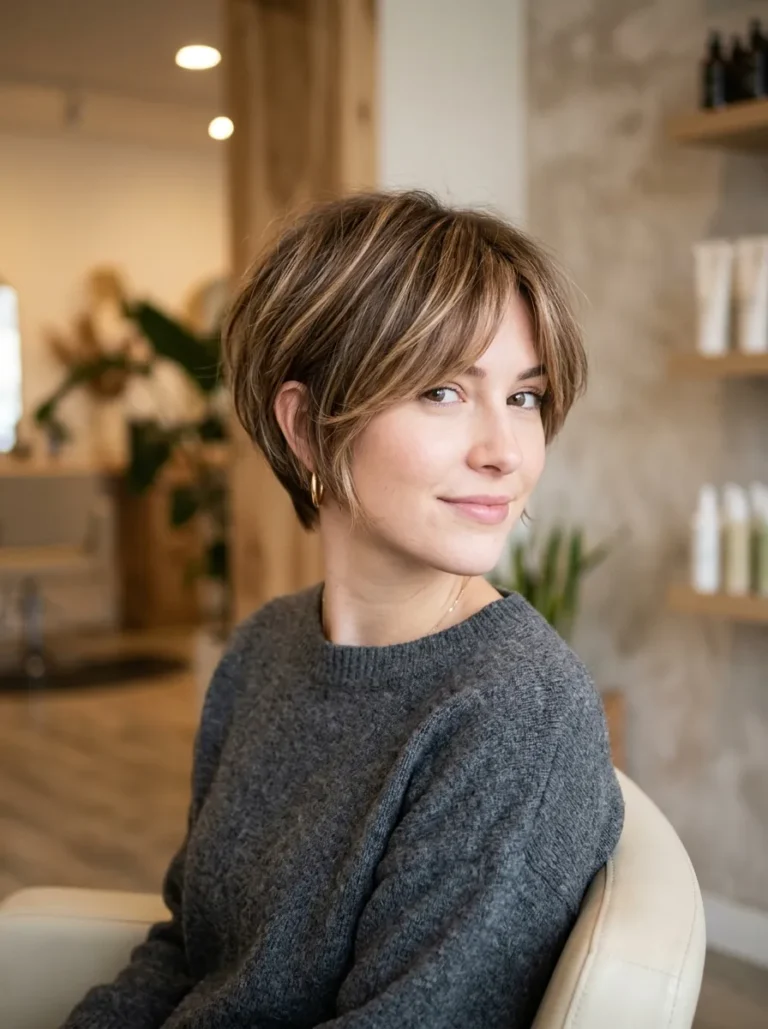
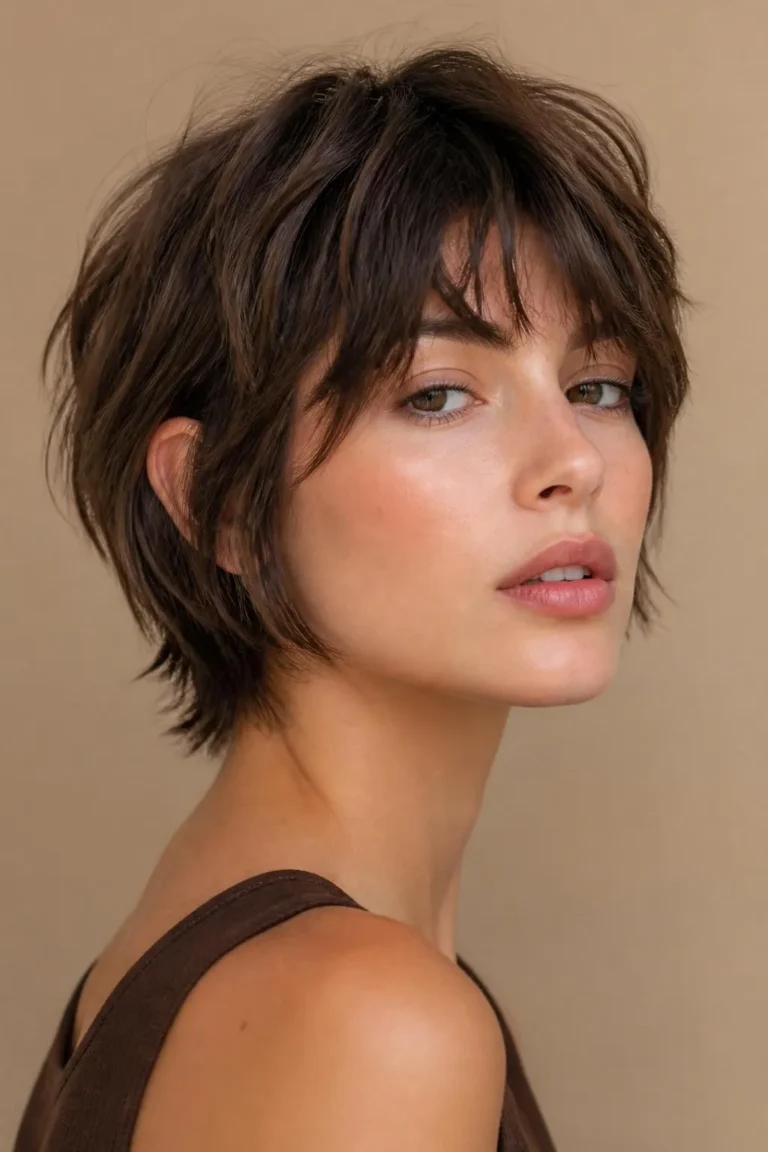
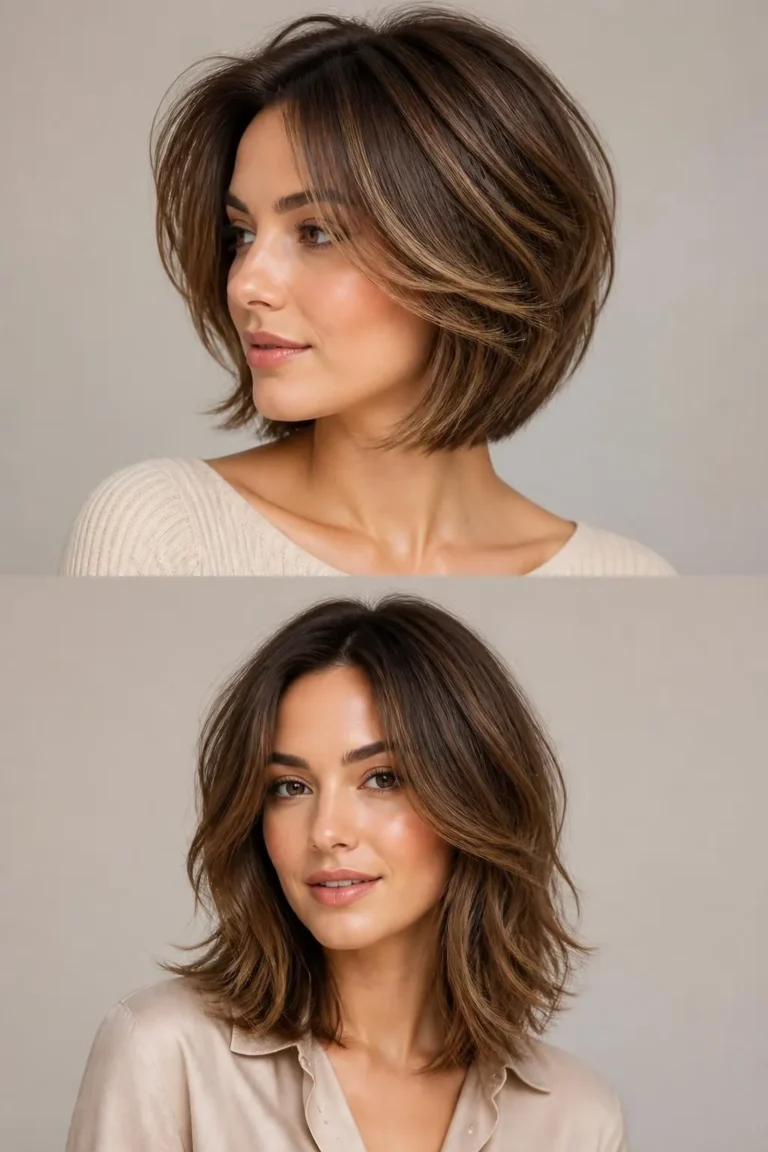
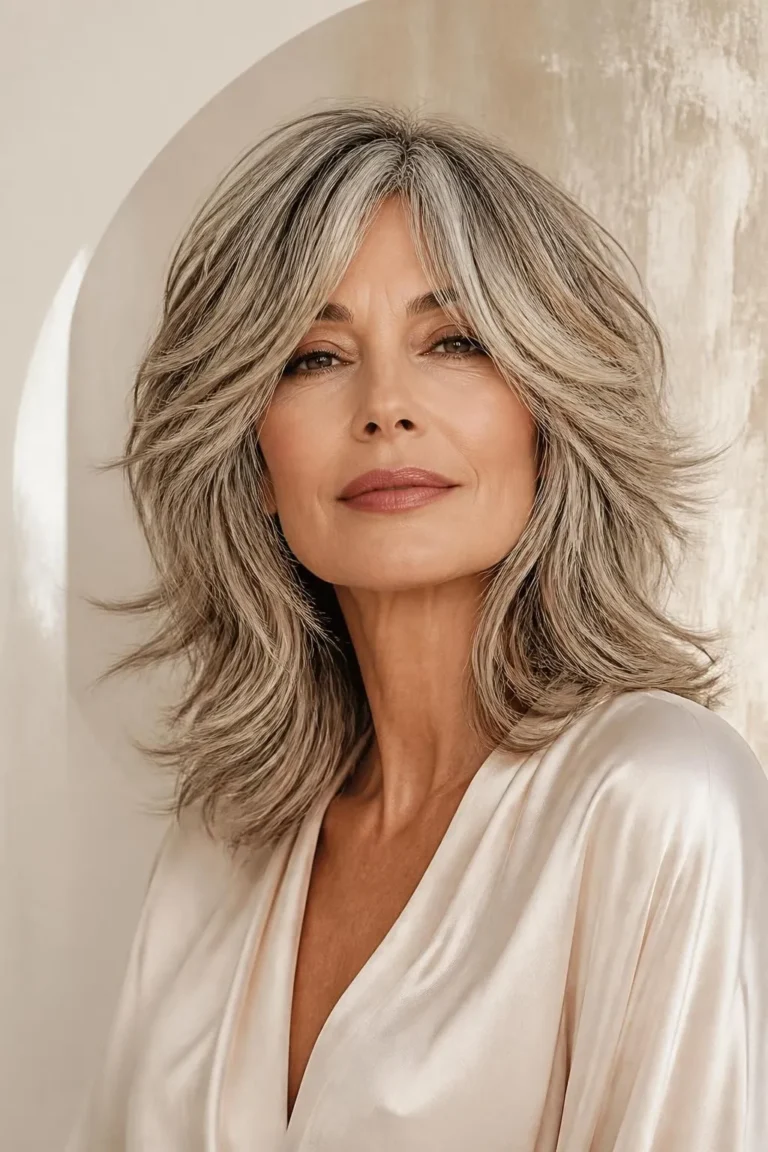
Below are 26 short pixie haircuts for thin fine hair, picked for volume, shape, and real-life wearability.
Soft Side-Swept Pixie Lift
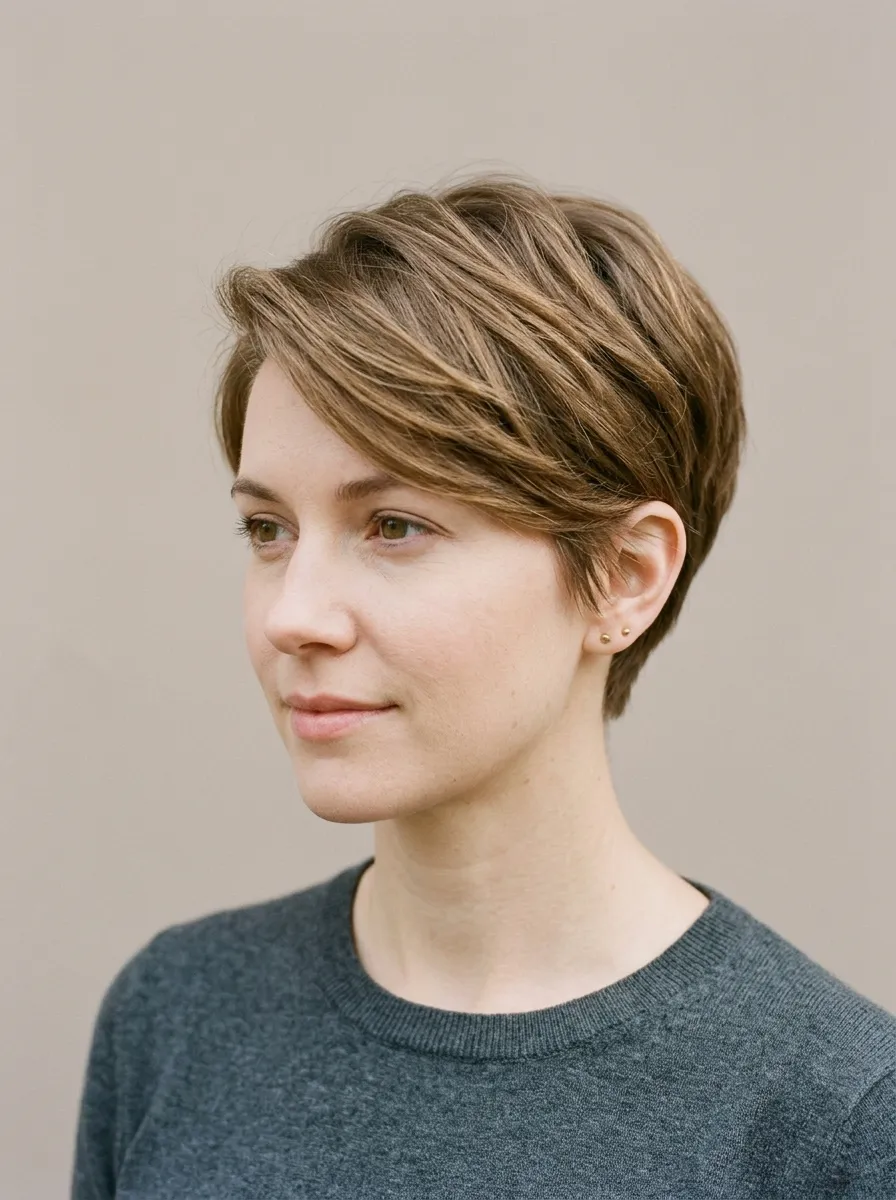
This style sweeps the top to one side with a soft, lifted crown that resists going flat. The fringe stays long enough to cover the forehead without feeling heavy. It is one of the most flattering pixie shapes for fine hair because the side sweep adds instant fullness.
Ask your stylist for: Point-cut texture through the crown and a tidy taper around the ears for a polished finish.
Fringe tip: Keep the bangs long enough to tuck behind the ear when needed — it gives you two looks in one cut.
Styling tip: A pea-sized amount of volumizing mousse on damp hair keeps this style airy and lifted all day.
Product tip: Skip heavy serums on the lengths. Dry texture spray at the roots adds grip without weighing anything down.
Bleach Blonde Cropped Pixie
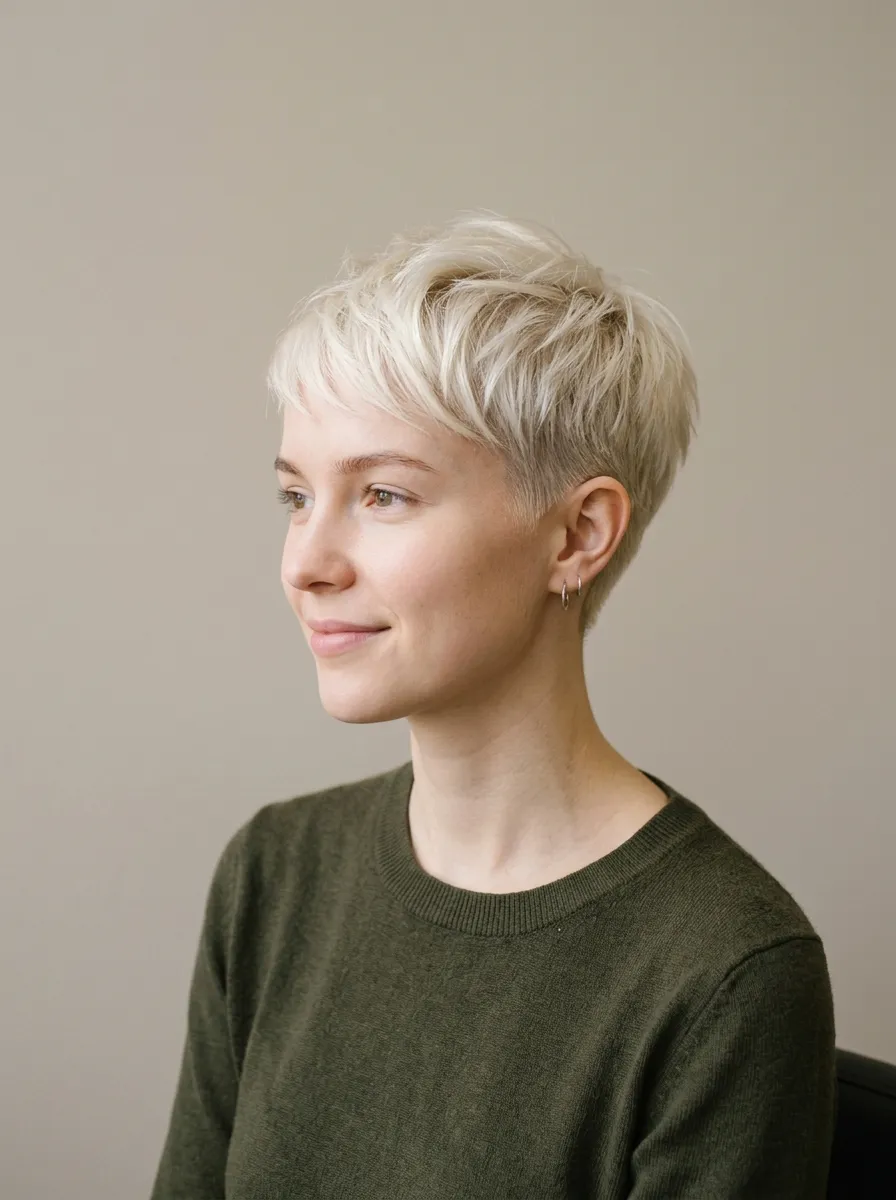
A bleach blonde crop looks bold, but it does something clever for fine hair — the choppy top creates the illusion of density even when you barely touch it. The short sides keep it sharp while the top retains enough movement to feel styled, not stiff.
Ask your stylist for: A soft fade at the sides and micro layers through the crown to give the top texture and grip.
Color tip: Bleach blonde works beautifully here because light tones reflect more and make hair appear thicker from a distance.
Styling tip: Finish with dry texture spray while the hair is still slightly warm from the dryer for maximum hold and lift.
Maintenance tip: Book a gloss treatment every six weeks to keep platinum from going brassy and to maintain that full-looking shine.
Feathered Platinum Pixie
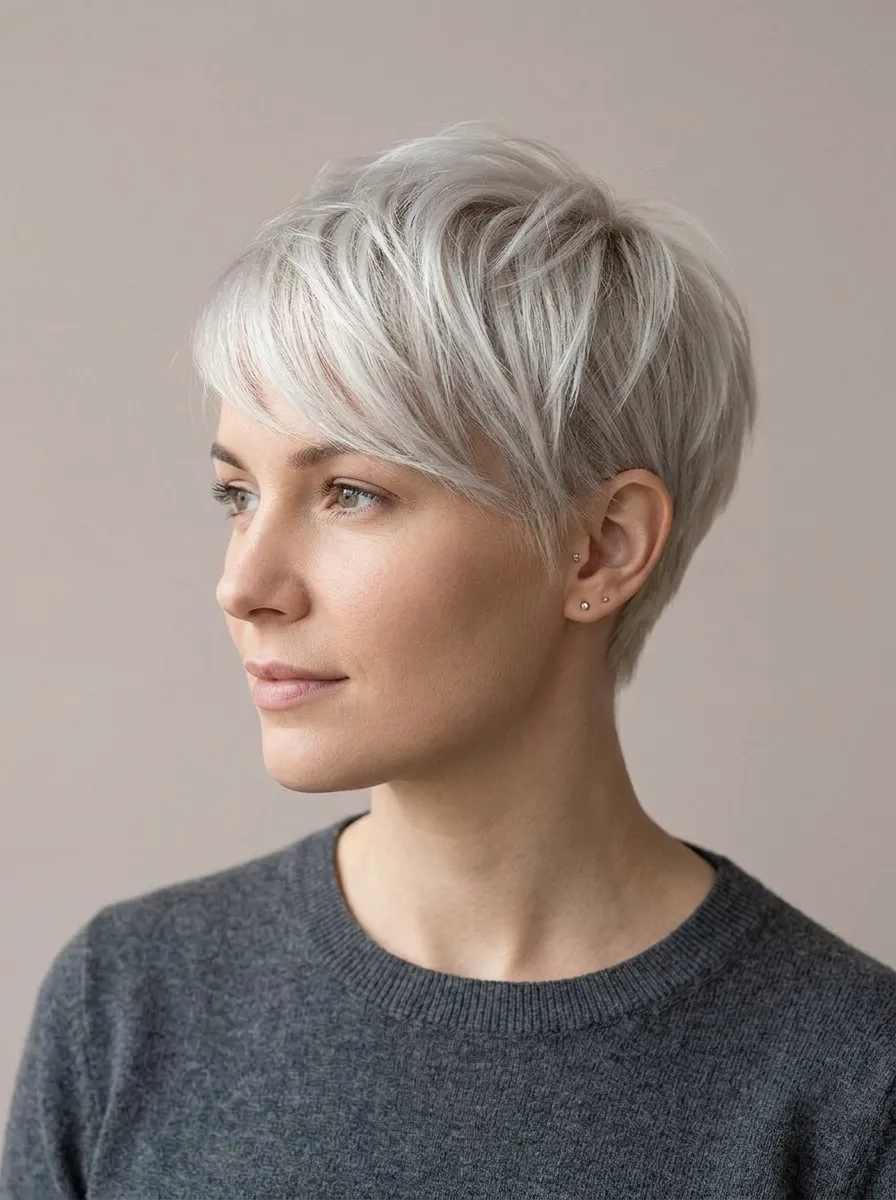
Feathered ends give this cool platinum pixie a light, almost effortless movement. The wispy fringe softens the face and makes the overall shape feel less severe. This is the perfect choice if you want a pixie that looks delicate rather than dramatic.
Ask your stylist for: Razor-light ends rather than blunt lines, which will give the fringe that soft, feathery finish.
Fringe tip: A wispy fringe broken into small sections makes fine hair look thicker than one heavy, straight-cut bang.
Styling tip: Use a light paste to piece out the ends rather than smoothing everything flat — separation adds the visual texture that fakes fullness.
Color tip: Platinum tones need purple shampoo every few washes to stay cool and avoid that unwanted yellow tinge.
Brunette Tapered Pixie
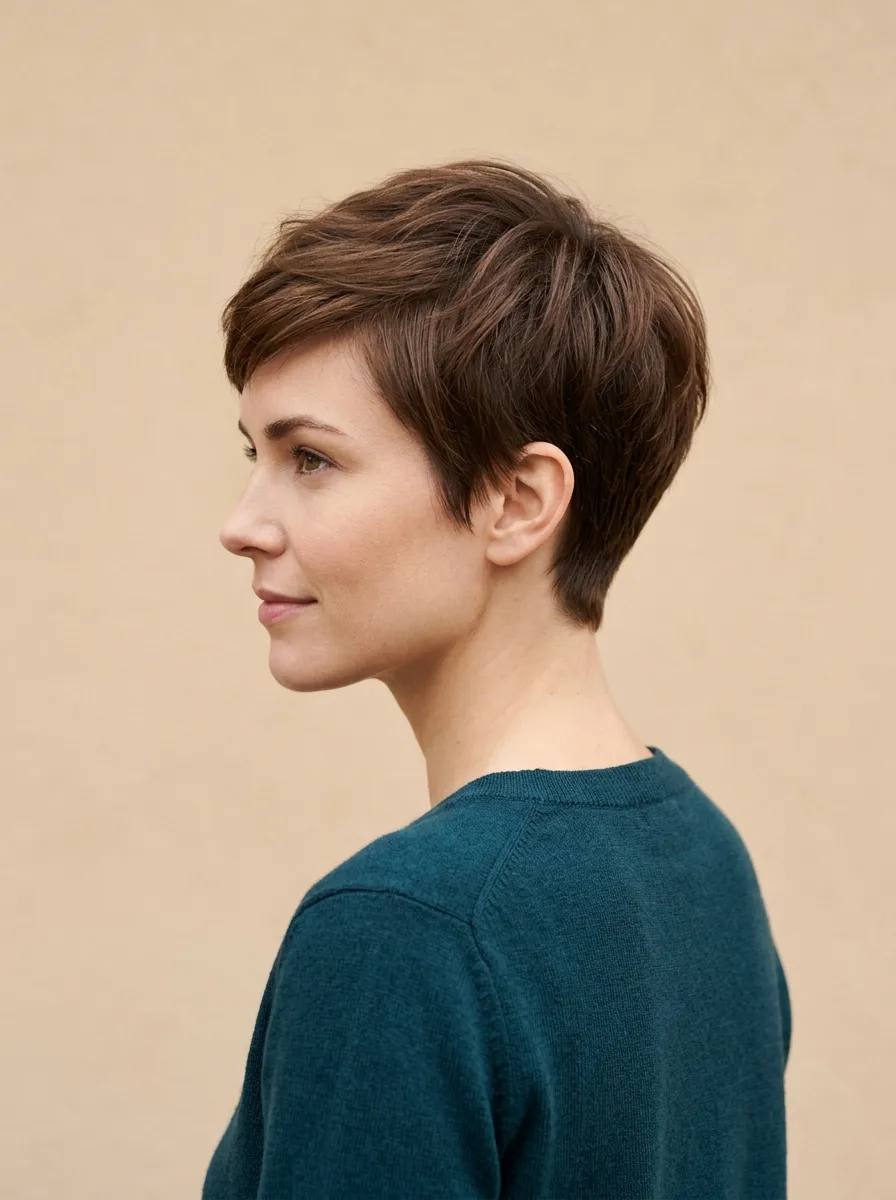
This brunette pixie has a clean, tidy silhouette with a gentle crown lift that keeps fine hair from separating or falling flat throughout the day. The back is stacked just enough to give shape without looking bulky. It is a reliable, wearable cut that suits almost every face shape.
Ask your stylist for: Stacked layering in the back and a side-swept top for a shape that holds from morning to evening.
Volume tip: Blow-dry with a small round brush lifting the crown section upward — this one step makes the biggest difference for fine hair.
Styling tip: A volumizing root spray applied before blow-drying gives fine brunette hair that lifted, fuller appearance it naturally lacks.
Color tip: Ask for a gloss treatment to deepen your brunette tone and add a shine that makes fine hair look healthier and thicker.
Choppy Layered Pixie Texture
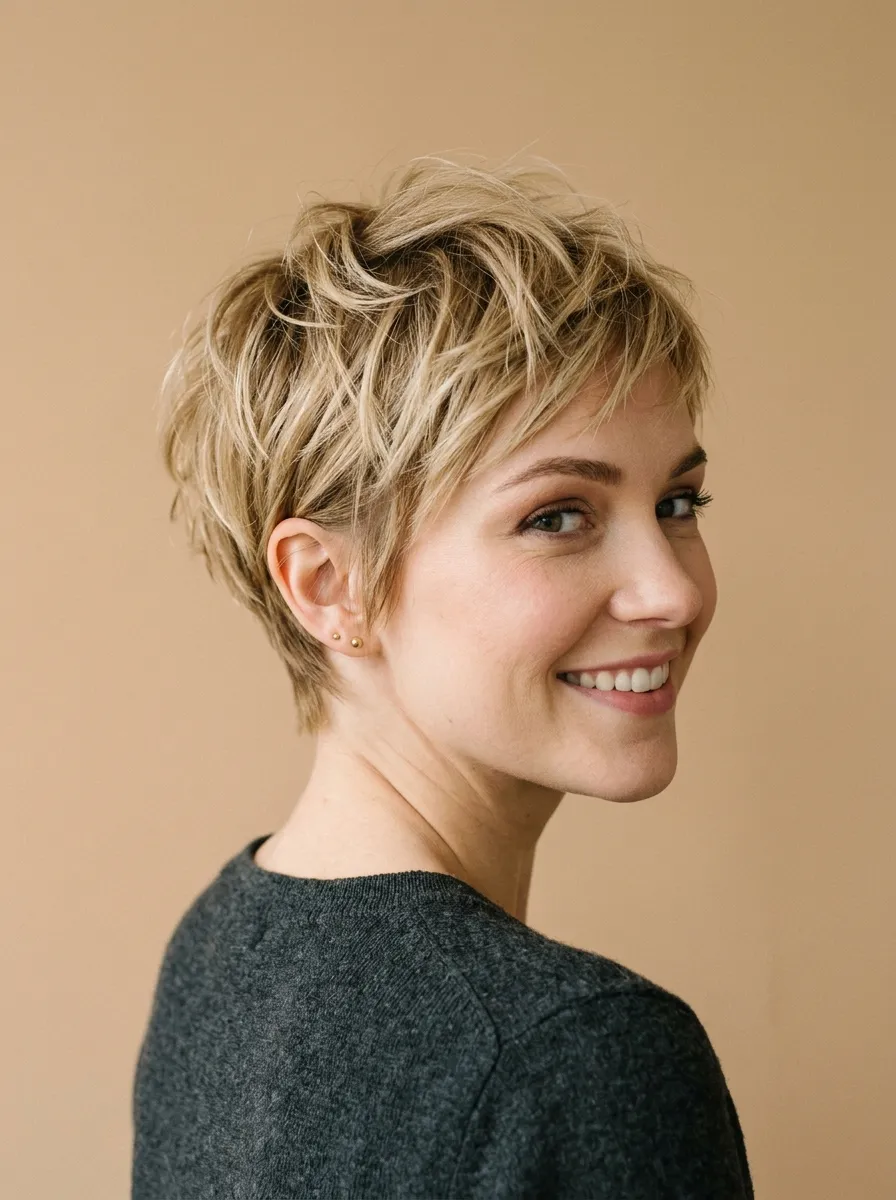
This pixie leans into that slightly undone, lived-in aesthetic that fine hair actually pulls off really well. The choppy layers disguise thin patches and make the overall head of hair look denser. It is a low-maintenance cut that still looks intentional even on days you do nothing to it.
Ask your stylist for: Point cutting through the crown and a tapered nape for the right amount of texture without going too short.
Texture tip: The choppier the top, the more your hair appears to have volume — each separated piece adds the illusion of extra density.
Styling tip: Work matte clay lightly through the ends on dry hair, then tousle gently with your fingers for that perfectly undone effect.
Avoid: Heavy thinning shears, which will make fine choppy ends look stringy rather than textured and intentional.
Warm Auburn Pixie Glow
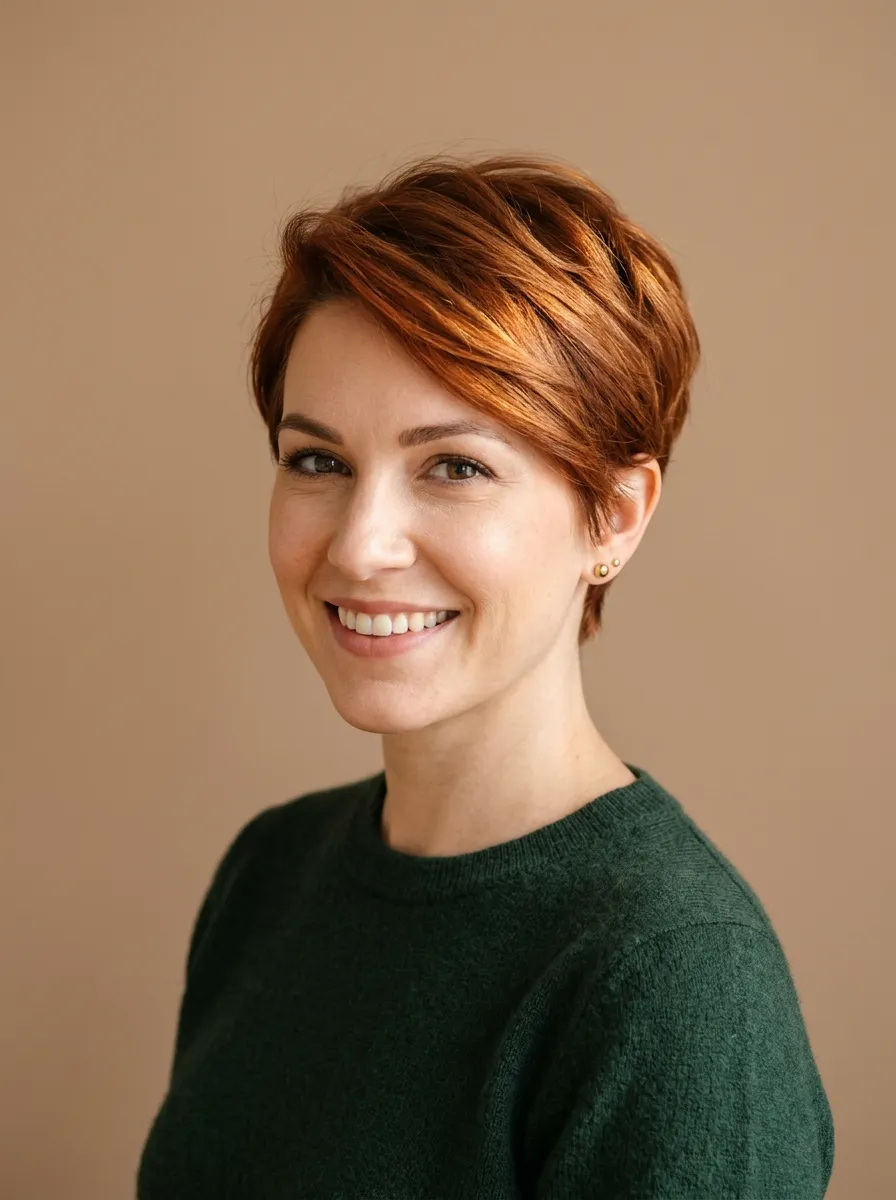
Warm auburn is practically a cheat code for thin, fine hair. The rich, multidimensional tone adds depth that makes hair look denser before you even pick up a styling product. This pixie keeps the sides neat and lets the longer top create a soft, swept look with gorgeous shine.
Ask your stylist for: Subtle face-framing pieces and light internal layers that add movement without removing precious density.
Color tip: Auburn works by creating the visual illusion of shadow and light in the hair, which makes each strand look thicker and more defined.
Styling tip: A gloss treatment after your color appointment locks in warmth and adds that mirror-like shine that photographs beautifully for Pinterest.
Maintenance tip: Use a color-depositing conditioner between salon visits to keep the warm tones vibrant and the hair looking rich and full.
Curly Pixie With Tapered Sides
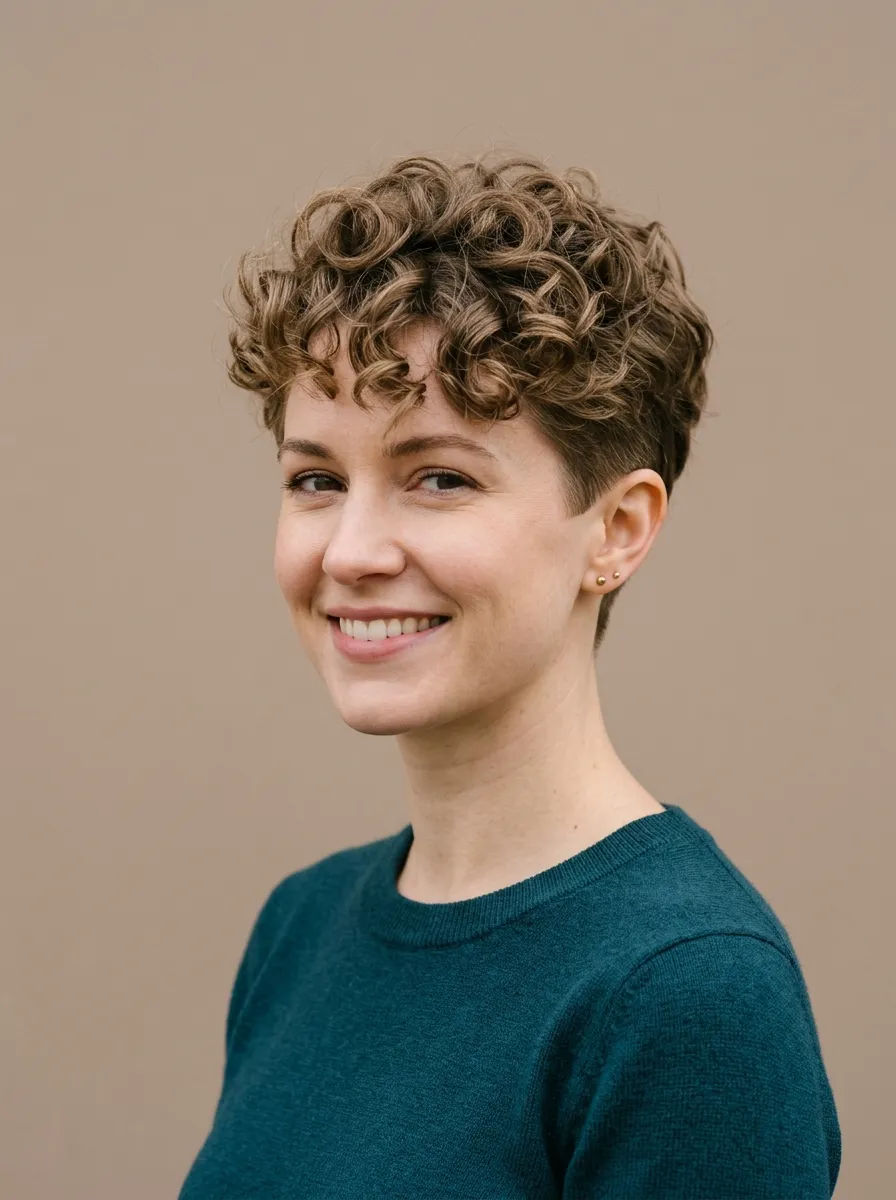
Curly hair and fine hair are not always the same thing, but when they combine, this pixie shape is the answer. Keeping the sides closely tapered lets the curls on top expand and fill out, making them look much fuller than they actually are. The shape does the heavy lifting so your curls do not have to.
Ask your stylist for: A rounded crown shape and a clean taper at the nape to keep the silhouette balanced and the top looking voluminous.
Curl tip: Scrunch curl cream into damp hair from the ends upward, then diffuse on low heat to preserve the curl pattern without causing frizz.
Styling tip: Do not brush curly fine hair when it is dry — this separates the curl clumps and instantly makes the hair look thinner than it is.
Product tip: A light hold curl cream works better than heavy gel for fine curls, which can get weighed down and lose their lift quickly.
Textured French Crop Pixie
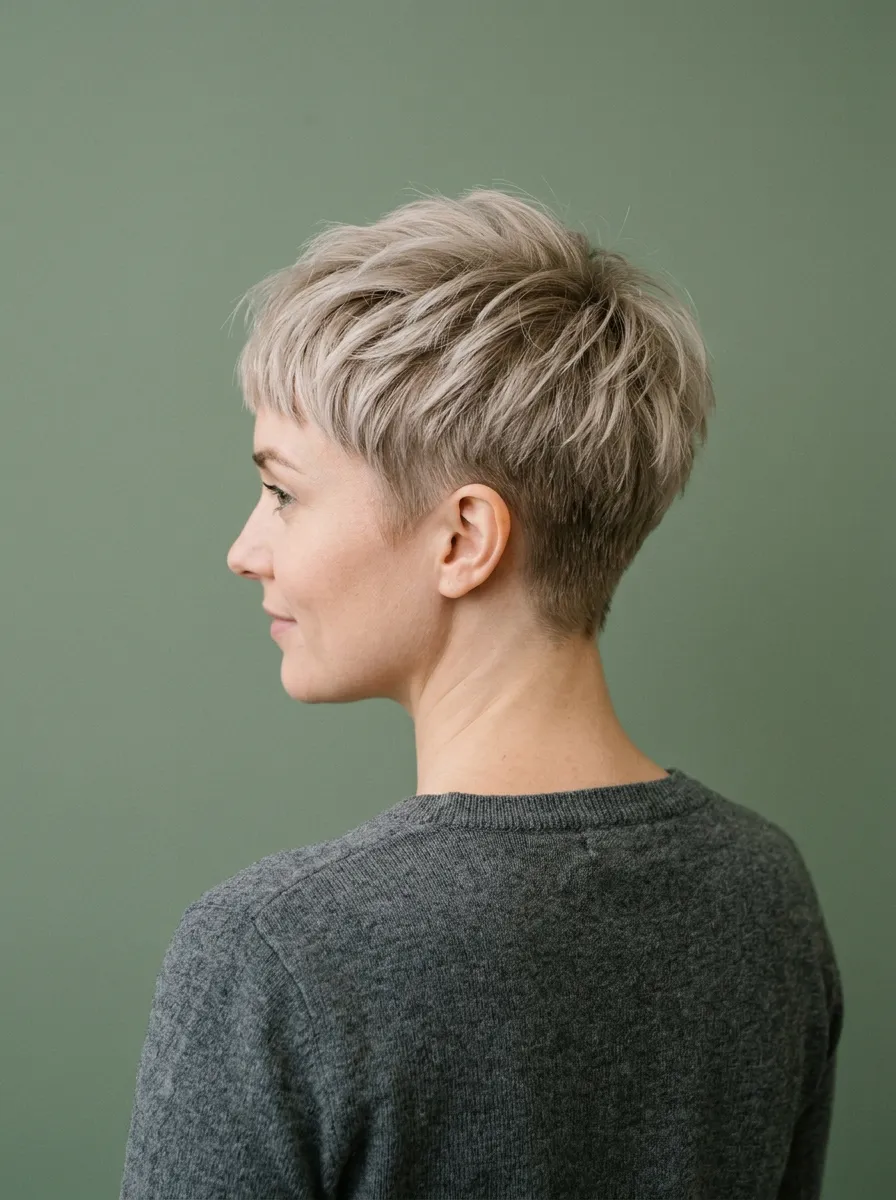
The French crop has a sharp, modern edge but reads soft when the top is textured and the fringe has a tiny bit of movement. The structured fringe creates a strong focal point, which pulls attention away from the sides and makes fine hair look intentionally styled and dense.
Ask your stylist for: A blunt-ish fringe with tiny notched ends and a low taper on the sides to keep the shape crisp and current.
Fringe tip: Even a few millimeters of texture in the fringe edge makes a big difference — a perfectly straight-cut bang can highlight sparse fine hair at the front.
Styling tip: Finger style the top with a small amount of paste and push the fringe slightly forward to get that classic French crop shape.
Salon tip: Book a trim every four to five weeks because the French crop loses its sharp shape faster than longer styles.
Grown-Out Pixie With Side Part
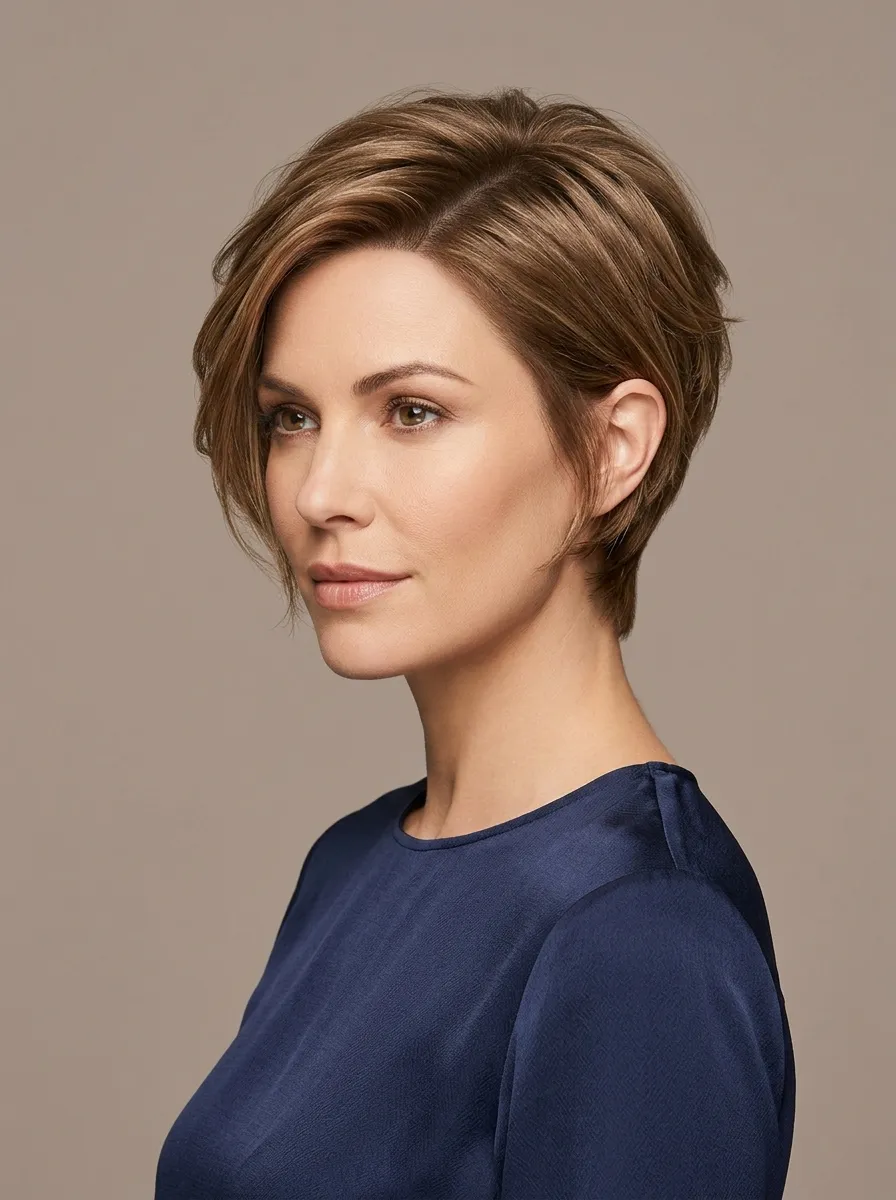
The grown-out pixie is one of the most versatile options because it gives you short hair with longer styling options. The extra length around the cheekbones creates coverage and makes the whole cut look more lush. Fine hair loves this stage because the weight of the grown-out length actually helps it lie better.
Ask your stylist for: A soft graduation in the back and a side part that can be switched from left to right for a different look each day.
Volume tip: A deep side part on grown-out fine hair creates an instant visual fullness — try switching your natural part to the opposite side for a noticeable boost.
Styling tip: Smooth a lightweight serum from mid-length to ends to tame any flyaways without flattening the soft shape of this grown-out stage.
Grow-out tip: Ask your stylist to only clean up the nape and ears during this phase so the top keeps its length and softness as it grows.
Micro Fringe Pixie Cut
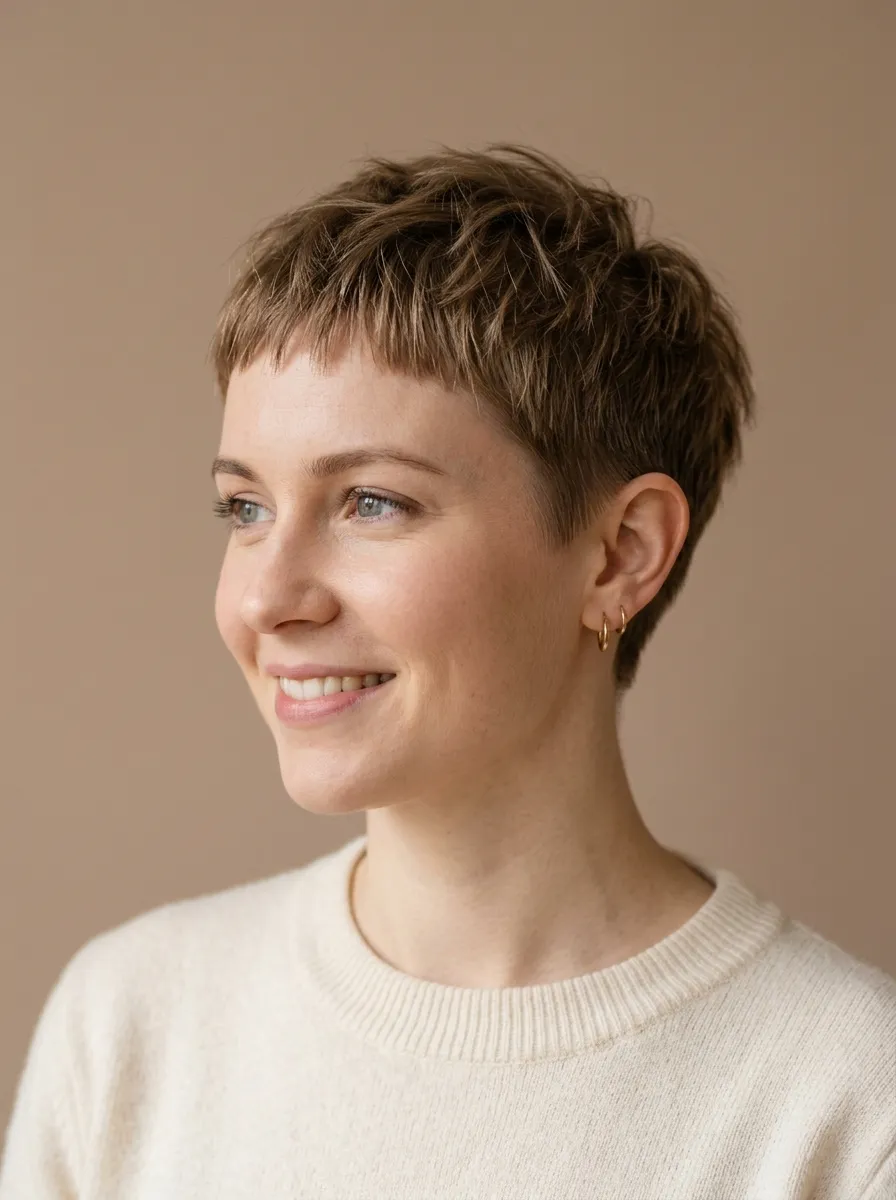
Micro fringe makes a bold statement while doing something very clever — it draws all the attention to your eyes and face rather than your hair density. When fine hair is cut close and styled with confidence, micro fringe makes the whole look feel deliberate and high fashion rather than thin or sparse.
Ask your stylist for: A short, slightly jagged fringe and tight sides to keep the shape precise and the focus entirely on your features.
Fringe tip: A micro fringe slightly broken up with the tips of scissors looks far more sophisticated on fine hair than a perfectly blunt, even line.
Styling tip: Keep the rest of the hair sleek with a smoothing cream, not oil, to avoid any greasy-looking texture on fine strands.
Bold move tip: Micro fringe is low maintenance once you commit — it needs trimming every three weeks to stay in its sweet spot.
Sleek Tapered Pixie With Side Fringe
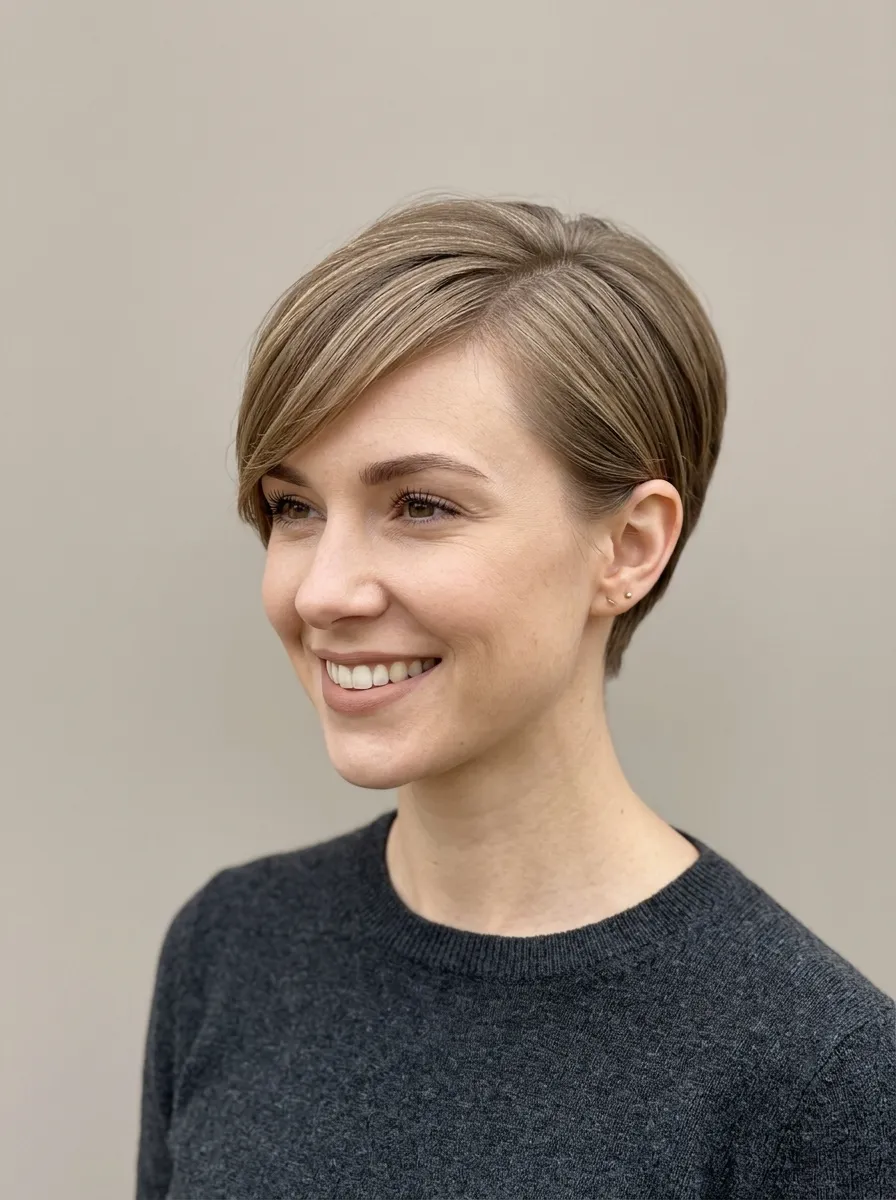
This sleek pixie keeps the sides incredibly close and uses the top to do all the talking. The forward-sweeping fringe creates coverage at the front, and the slightly lifted crown prevents the whole look from falling flat. It is one of those cuts that looks effortless but feels incredibly put-together.
Ask your stylist for: A soft taper at the sides and light, airy layers on top to keep the crown sitting up rather than collapsing inward.
Fringe tip: A side fringe that just grazes the eyebrow is the sweet spot for fine hair — it frames without feeling heavy or overpowering the face.
Styling tip: Finish with a light blow-dry using a small round brush, lifting the fringe forward and upward for that signature sleek but lifted shape.
Upkeep tip: The taper on this cut needs refreshing every four weeks to stay looking sharp rather than growing out into an undefined mess.
Pixie Shag With Piecey Layers
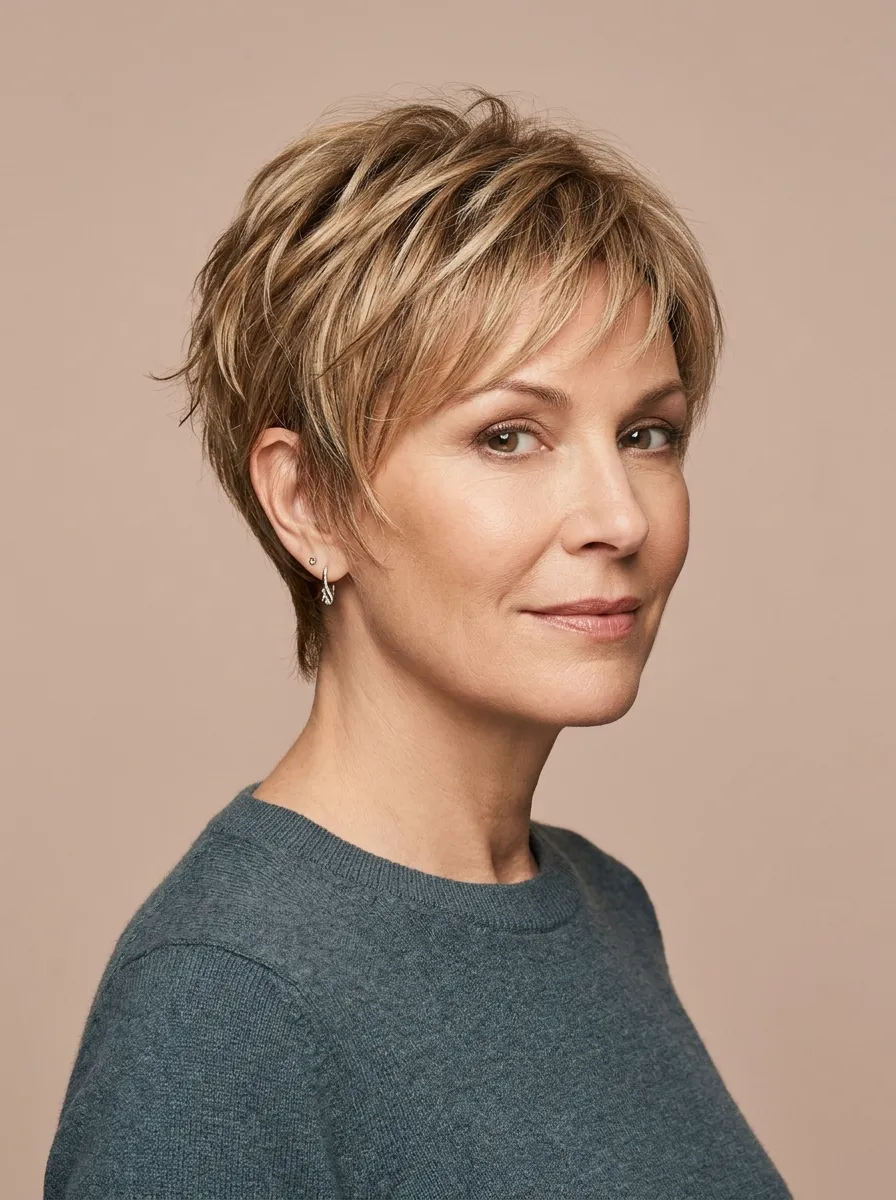
The pixie shag is for those who want short hair with personality. The layered, slightly disheveled shape creates a lot of visual texture, which tricks the eye into seeing density. Fine hair thrives in this cut because each separated piece looks like a full, intentional layer rather than a wispy strand.
Ask your stylist for: A longer top with shattered ends and a tapered nape — the longer top gives you enough length to create that tousled, piecey effect.
Texture tip: Dry shampoo is your best friend with a pixie shag — it adds grip to fine hair at the roots and helps each layer stay in place longer.
Styling tip: Rough-dry the hair with a diffuser or your fingers rather than a brush to keep the natural movement in the shattered layers.
Product tip: A lightweight texturizing paste worked through dry hair gives the piecey separation that makes this style look full and intentionally undone.
Platinum Buzz Pixie
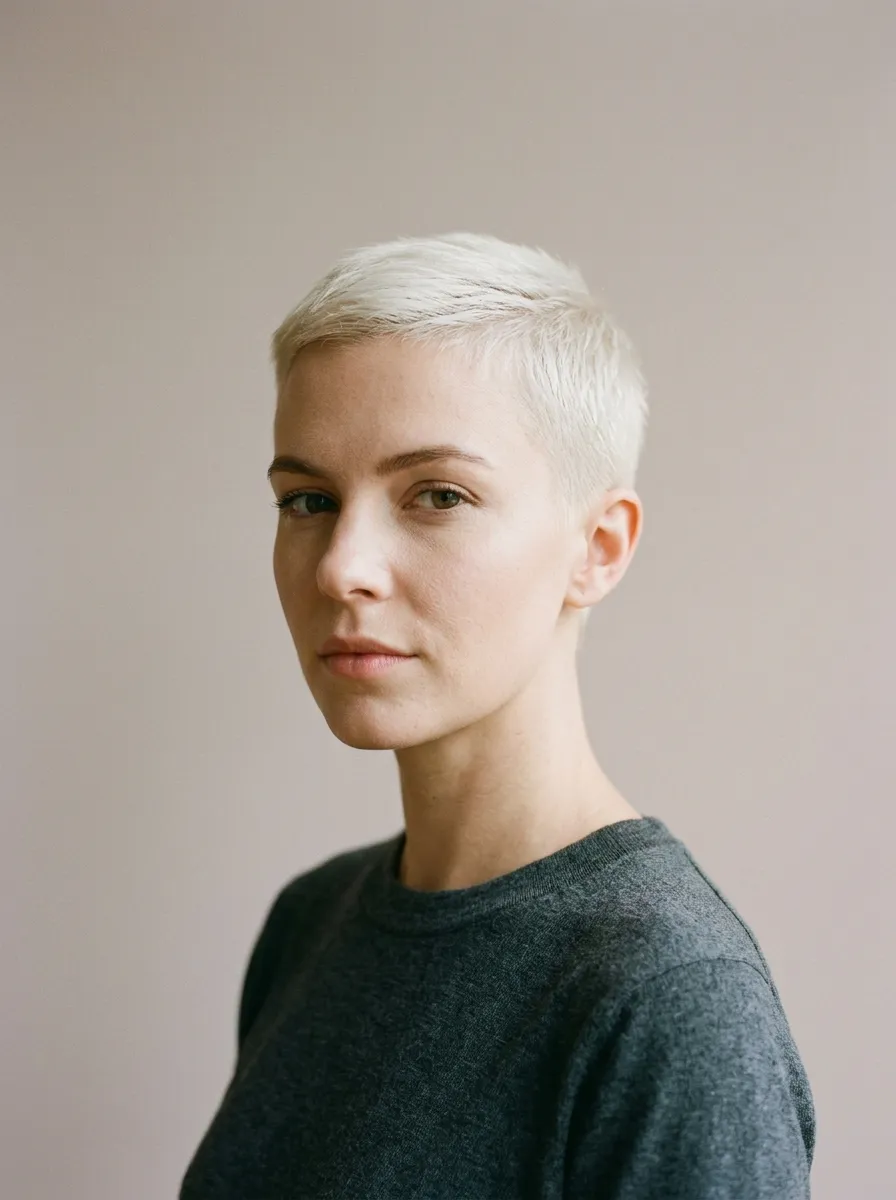
This is the most daring option on the list, and it might also be the most brilliant for very fine hair. The buzz removes the see-through ends entirely, leaving a crisp, even texture that makes your hairline look clean and defined. Add platinum tone and the whole look becomes striking and completely intentional.
Ask your stylist for: An even clipper cut with a soft, natural edge around the ears and nape so the silhouette looks rounded rather than box-shaped.
Color tip: Platinum at buzz length has no breakage risk because the hair is too short to be compromised — it is actually one of the safest times to go this light.
Maintenance tip: Use purple shampoo every few washes to keep the platinum cool and vibrant rather than letting it shift to a warm, brassy yellow.
Confidence tip: A platinum buzz draws attention to your bone structure and eyes — it is a cut that works entirely by highlighting your best features.
Polished Classic Pixie
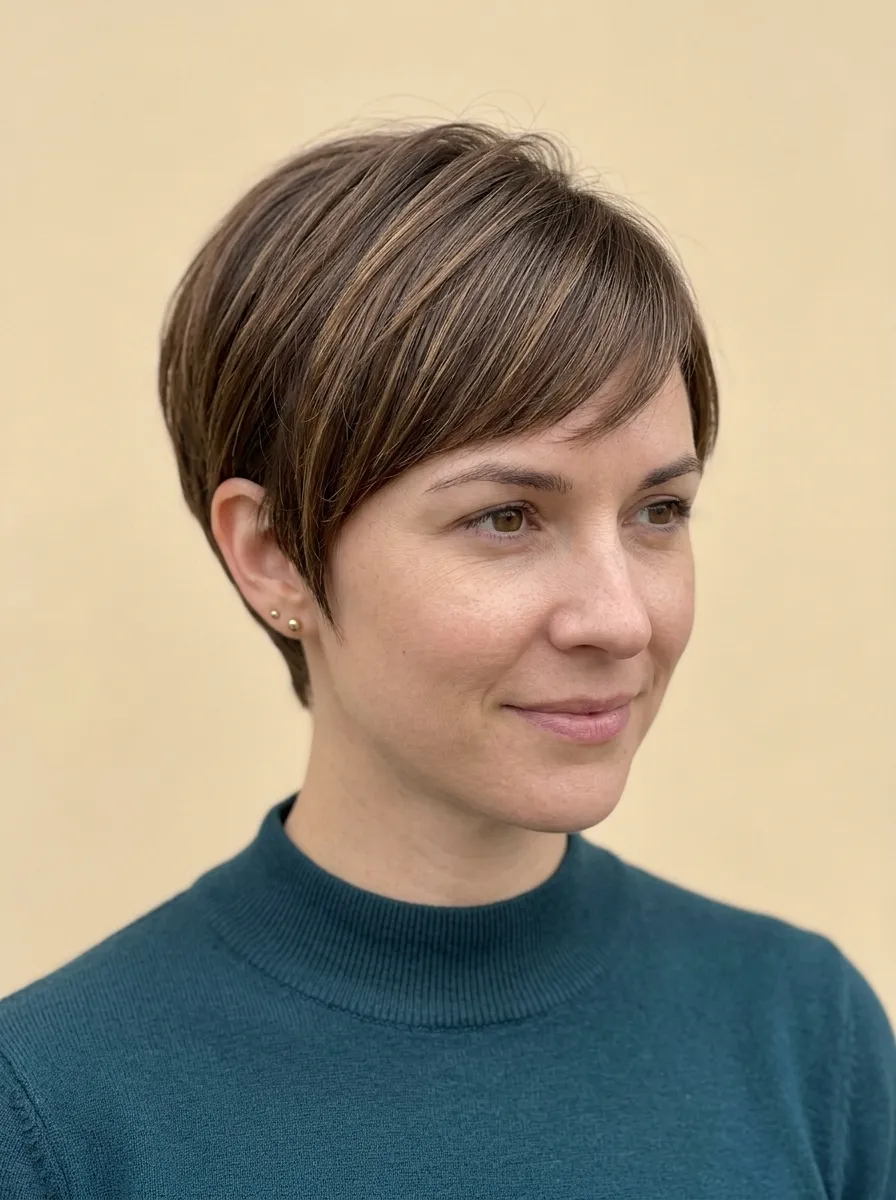
The classic pixie never goes out of style, and for fine hair, it is one of the most reliable cuts available. The shape is precise and the clean crown silhouette keeps fine hair from separating. It looks expensive with minimal effort because a perfect outline does more than any styling product ever could.
Ask your stylist for: A smooth crown with light graduation and a side-swept front that keeps the face framed without adding weight to the top.
Polish tip: A tiny amount of shine cream applied to the surface of dry hair gives this classic style the glossy, high-end finish it deserves.
Styling tip: Blow-dry with a small vented brush and direct all airflow toward the crown to keep the top smooth rather than fluffy or frizzy.
Upkeep tip: This cut stays looking its best with a trim every four to five weeks — the clean lines are what make it look polished, so do not let them grow out.
Razor-Cut Pixie With Airy Movement
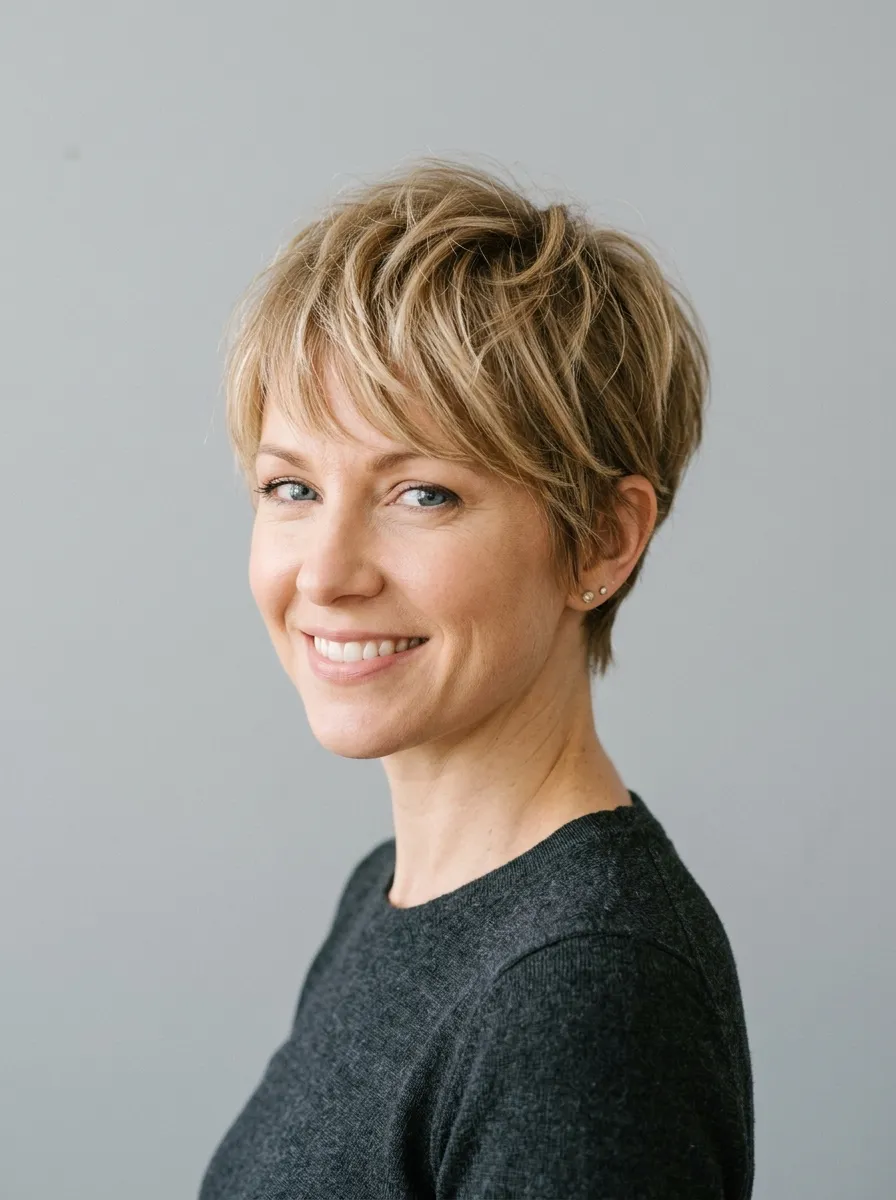
Razor cutting is one of the best techniques for fine hair because it creates that feathery, soft finish that makes the ends feel weightless. Instead of collapsing under their own flatness, razor-cut ends have movement and float away from the scalp slightly. This creates real, visible volume with no effort required.
Ask your stylist for: Razor texture through the crown and a gentle taper at the nape — make sure your stylist is comfortable with razor cutting on fine hair before they begin.
Volume tip: Apply mousse to damp hair before blow-drying, then lift the crown with your fingers while directing warm air upward — the razor-cut ends will hold the lift naturally.
Styling tip: Once dry, use your fingertips to fluff the top outward from the roots rather than smoothing it down, which will maintain that airy, floaty quality.
Avoid: Asking for a razor cut when your hair is already very dry or damaged — the technique works best on healthy, well-moisturized fine hair.
Sculpted Bixie Shape
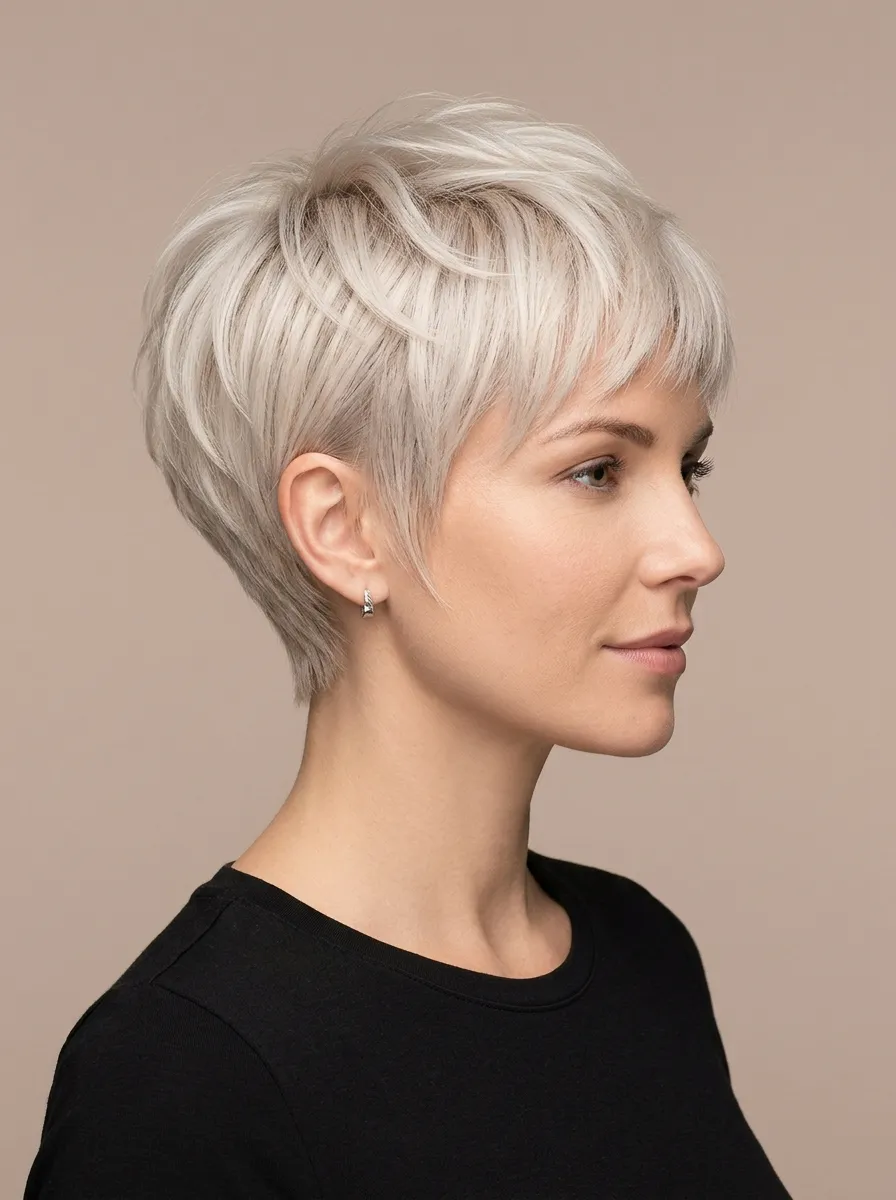
The bixie sits right in the middle of a bob and a pixie and it is honestly an underrated cut for fine hair. The rounded shape adds body at the sides and back, which is exactly where fine hair tends to look most sparse. You get all the lightness of a pixie with just enough extra length to create a fuller overall silhouette.
Ask your stylist for: Soft stacking through the back and a long side fringe that can be swept forward to create that beautiful rounded bixie shape.
Shape tip: The rounded back of a bixie creates a natural visual fullness at the sides — even very fine hair looks dense when the cut has this kind of structured shape.
Styling tip: Blow-dry the hair forward and then sweep the fringe to one side with a round brush to set the shape and keep the crown lifted.
Versatility tip: A bixie can be worn sleek for polished events or tousled and textured for casual days, making it one of the most flexible short styles for fine hair.
Short Buzzed Pixie With Clean Fade
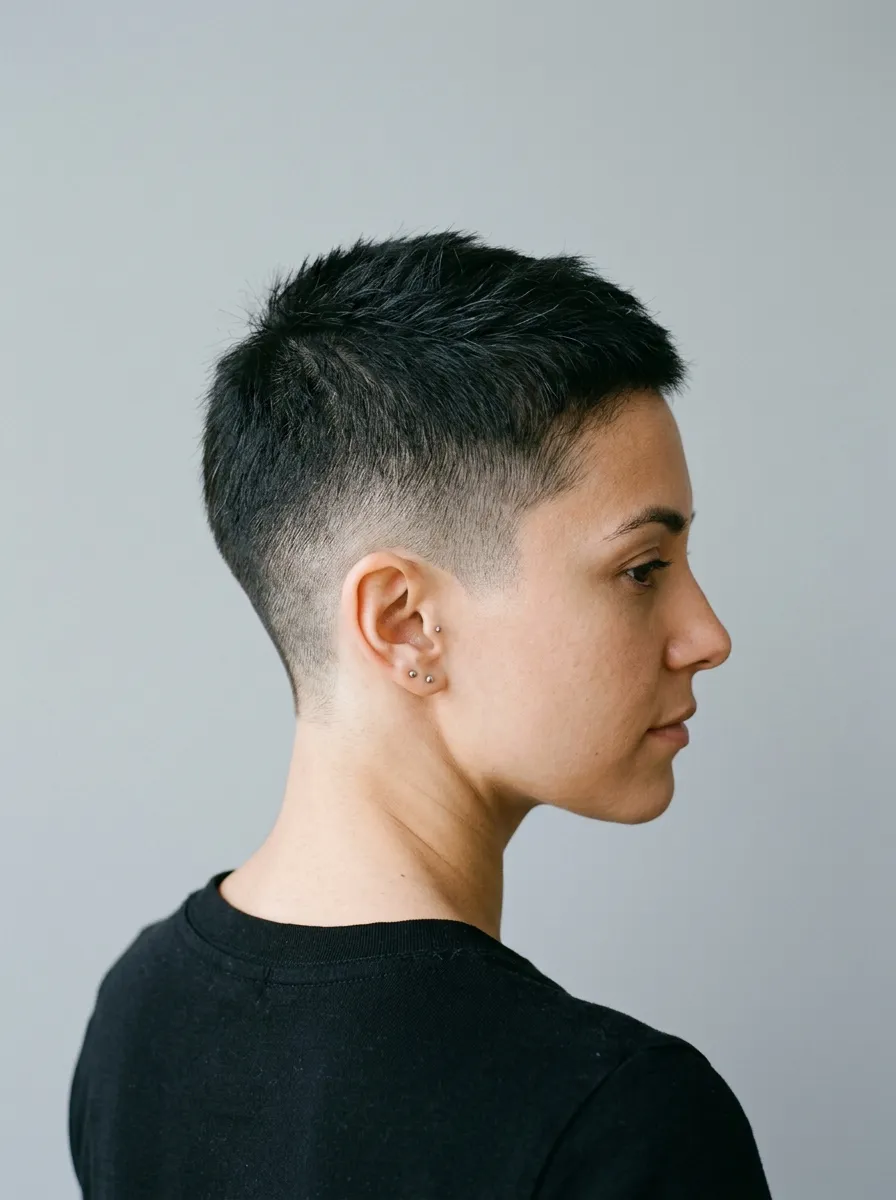
A buzzed pixie with a clean fade makes thin hair look strong, intentional, and incredibly low maintenance. Removing the wispy ends entirely changes how fine hair reads — instead of looking sparse, it looks deliberate and sharp. The fade creates a seamless graduation that gives the whole head a sculpted, polished appearance.
Ask your stylist for: A low fade that transitions smoothly from the sides into the longer top, with a softly longer section on the crown if you want a less severe finish.
Confidence tip: The fade is what elevates this style — it replaces any sparse or uneven edges with a clean line that looks intentional and well-maintained.
Upkeep tip: Book a fade refresh every three weeks because a faded buzzed pixie loses its sharpness faster than any other style on this list.
Styling tip: Keep the top lightly moisturized with a tiny amount of light oil or styling cream — faded fine hair can look dry without a small amount of product.
Short Soft Pixie With Natural Texture
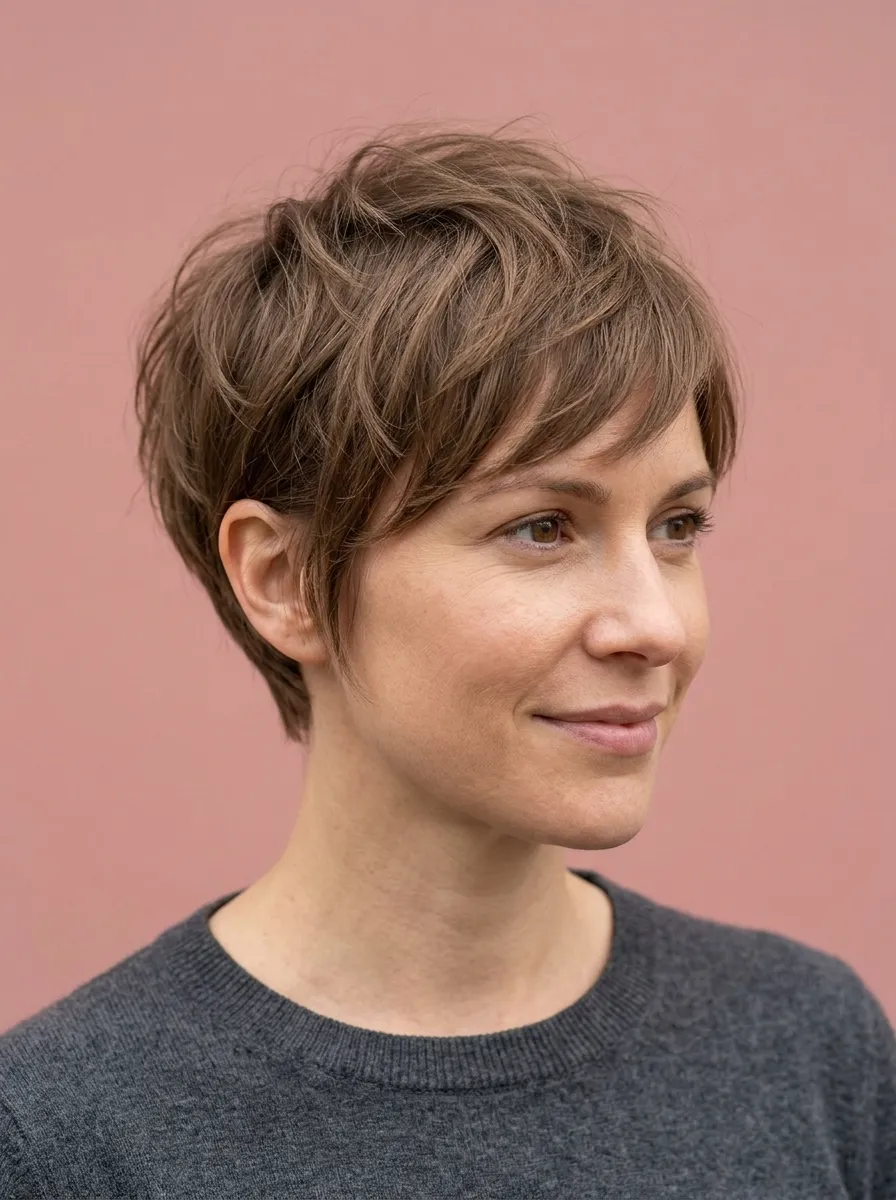
This is the no-fuss option for fine hair — soft, simple layering that lifts the crown without overcomplicating the style. The tidy sides keep everything clean while the crown has just enough texture to prevent the flat, deflated look. It is the kind of pixie that looks polished with three minutes of morning styling.
Ask your stylist for: Light texture on the top — specifically, ask for point cutting rather than heavy thinning so the ends stay full rather than stringy.
Ease tip: A quick rough-dry with your fingers in the morning sets this style in under five minutes — fine hair dries fast, so the whole process is genuinely easy.
Styling tip: Finish with a small touch of matte paste worked through the crown to separate the layers slightly and prevent everything from lying flat.
Natural texture tip: If your fine hair has a slight wave, embrace it in this cut — the natural texture adds dimension and makes the soft layers look even more full.
Side-Swept Pixie With Longer Bangs
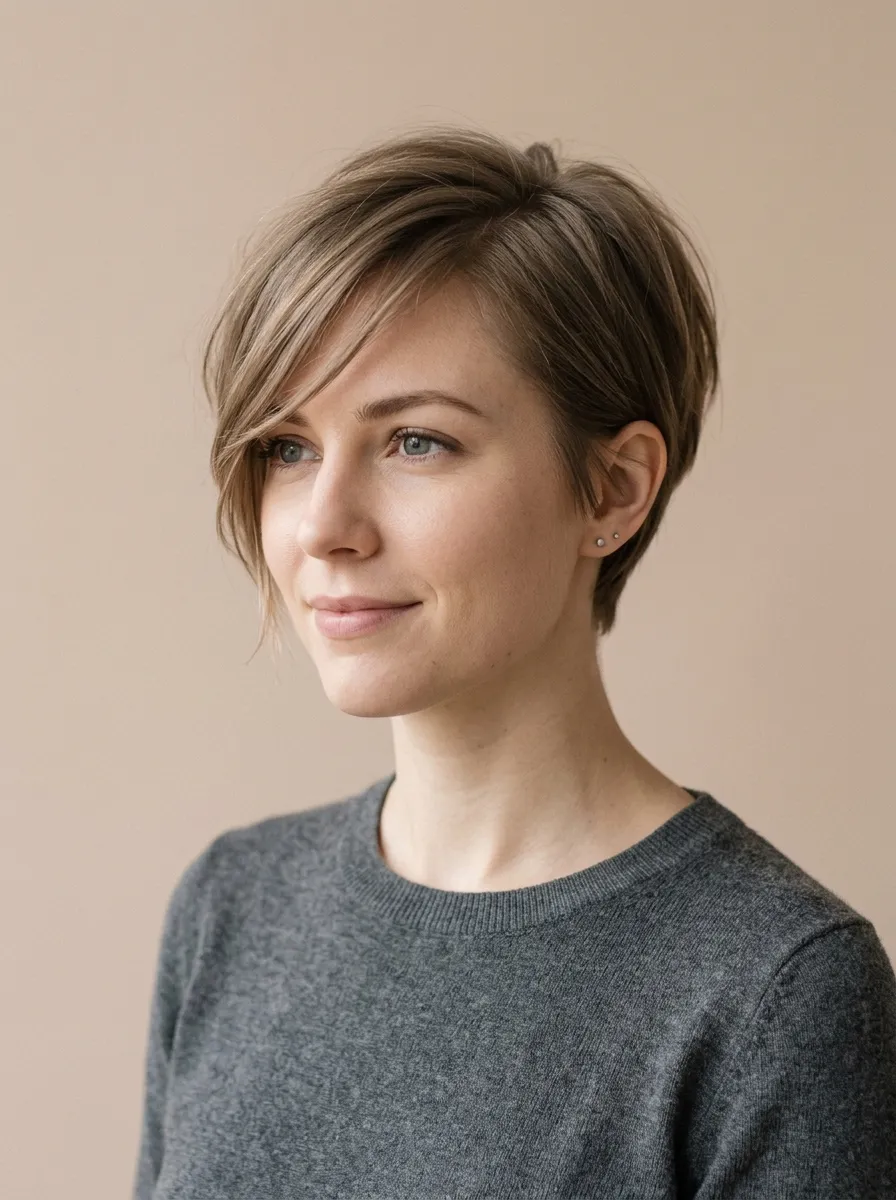
Longer, side-swept bangs on a pixie are one of the most effective tools for making fine hair look fuller. The extra length at the front adds coverage where fine hair often looks most thin — right around the hairline. It is the bridge between a dramatic short pixie and something a little softer and more face-framing.
Ask your stylist for: A deep side part with point-cut ends on the bangs to keep them from lying too flat against the forehead.
Bang tip: The longer the side bang, the more you can sweep and adjust it throughout the day — it gives fine hair a flexible, moveable front section.
Volume tip: Use a small round brush while blow-drying the bangs forward and then upward to create a subtle arch that adds lift right where fine hair needs it most.
Styling tip: A small velcro roller placed on the bang section for five minutes after blow-drying sets the lift and keeps it in place for hours.
Silver Pixie With Soft Volume
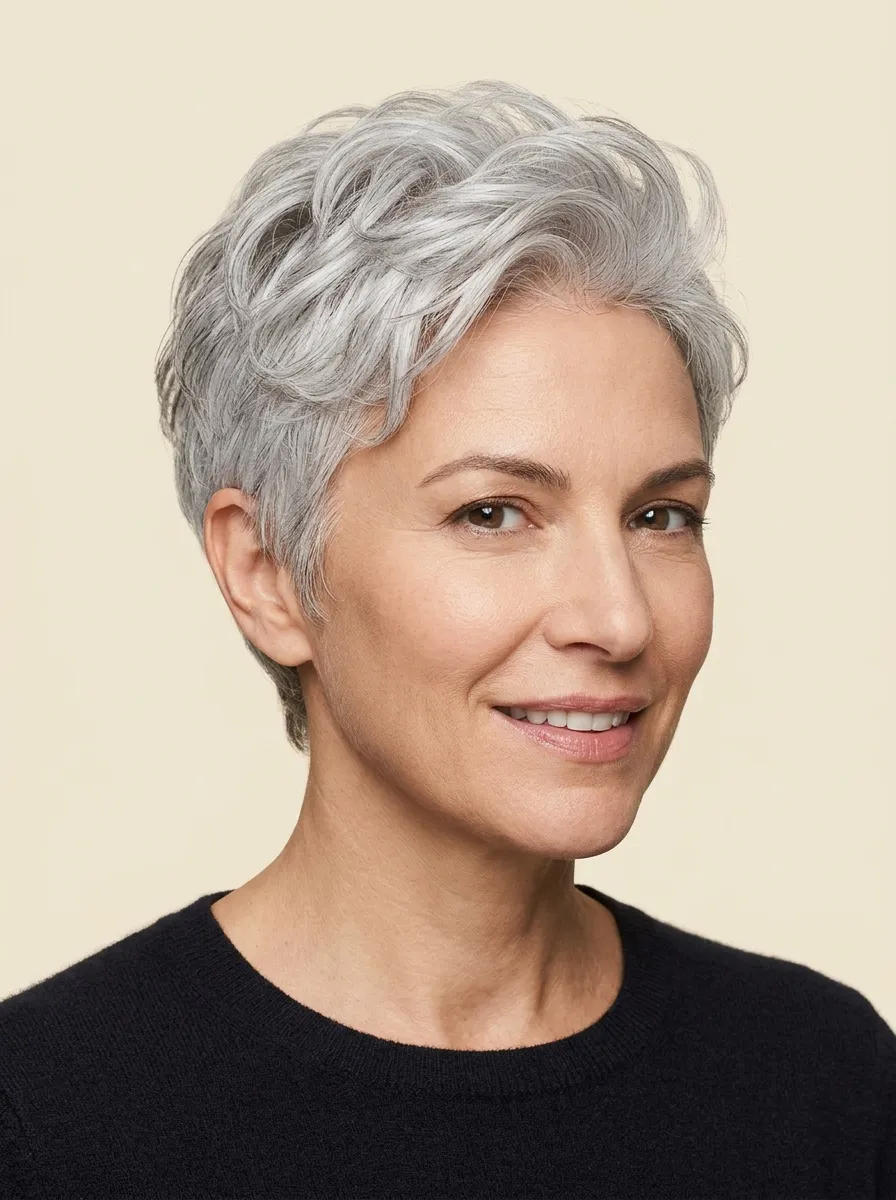
Silver hair on a pixie is one of the most stunning combinations out there, and it works especially well for fine hair because the cool tone adds visual contrast that makes each strand more visible. This style keeps the crown full and soft while the edges stay neat and defined. The result is a look that feels mature, intentional, and beautifully styled.
Ask your stylist for: Light layering through the top and a tapered neckline that keeps the back clean and the focus on the soft, full crown.
Volume tip: A volumizing powder applied at the roots on dry hair gives fine silver hair that lifted, airy quality without any heaviness or visible residue.
Color tip: Silver is actually very flattering on fine hair because it adds dimension even without highlights or lowlights — the tone itself creates depth.
Maintenance tip: Silver hair requires consistent toning — use a purple or silver toning shampoo weekly to maintain the cool, bright finish and prevent it from going dull.
Spiky Textured Pixie
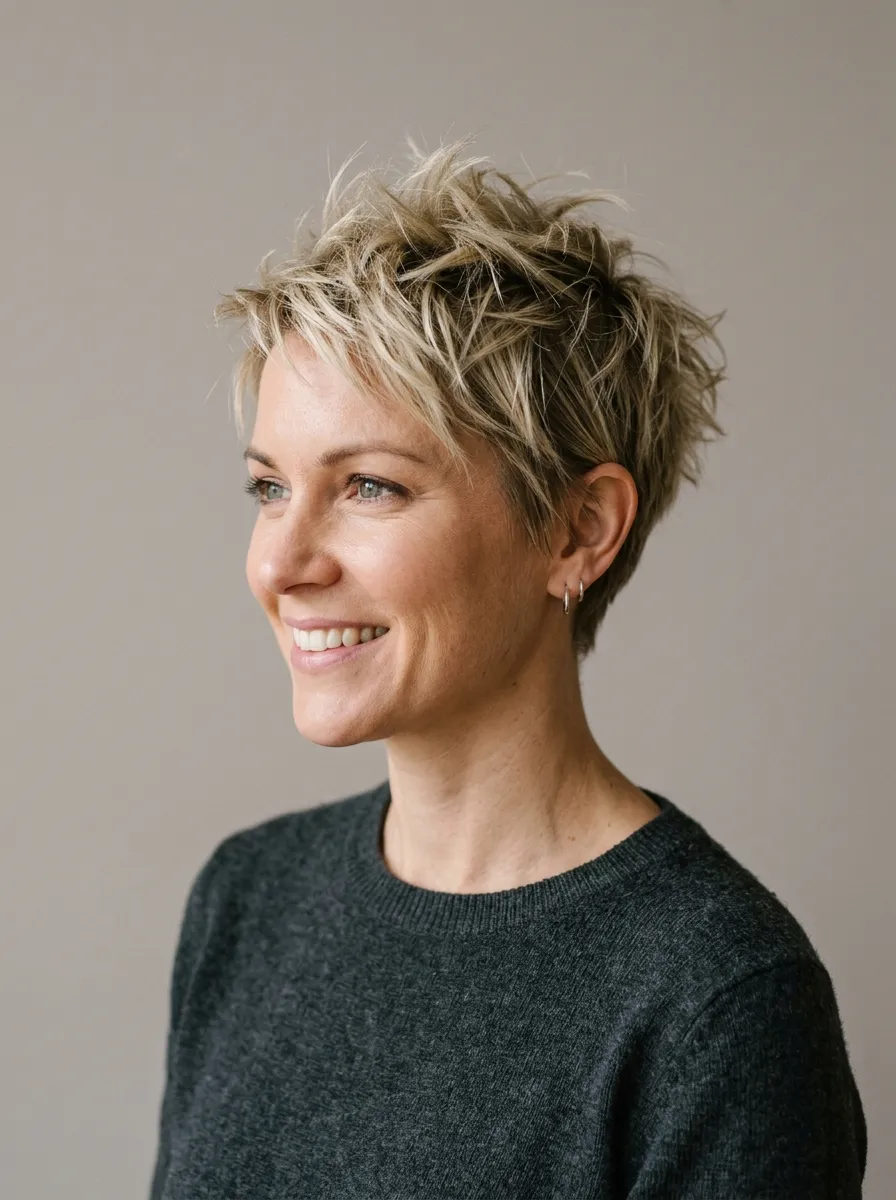
A spiky pixie is all about deliberate lift and separation that makes fine hair look three times as thick as it actually is. The close-cut sides keep things tidy while the textured crown does all the visual work. This style photographs incredibly well and looks equally great in person.
Ask your stylist for: Point-cut layers through the crown and a snug taper at the nape so the spiky top has a clean base to contrast against.
Lift tip: Apply mousse to damp roots before blow-drying, then use your fingertips to push sections upward and hold them in place until dry for maximum spike height.
Finishing tip: Once fully dry, pinch small sections with a tiny amount of matte paste to create defined spikes that look separated and full rather than just messy.
Styling tip: Work quickly with the paste because it dries fast — apply it in small sections rather than trying to distribute it through the whole top at once.
Stacked Lob-Bob Hybrid
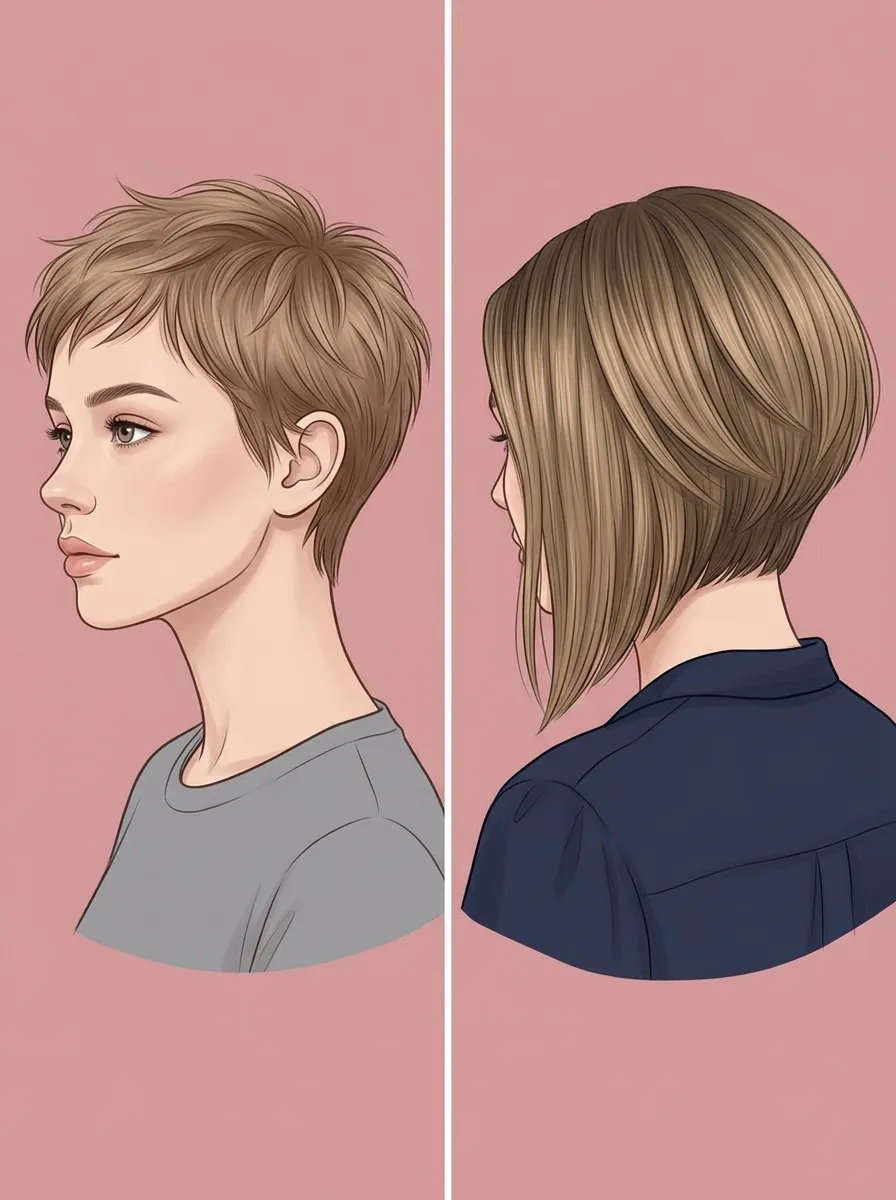
This style bridges the gap between a full bob and a pixie cut, which makes it perfect if you want more length to work with but still need the shape that stacking provides. The graduation in the back builds volume exactly where fine hair falls flat the most. The longer front pieces give you options for face framing and movement.
Ask your stylist for: A rounded graduation in the back and longer face-framing pieces at the front so the shape is full from all angles, not just from the side.
Volume tip: Blow-dry the back sections under with a medium round brush to enhance the stack and make the graduation look even fuller and more defined.
Styling tip: Add a light volumizing spray to the lengths before blow-drying so the stacked sections have extra grip and hold their rounded shape longer.
Versatility tip: This hybrid works with or without heat styling — on lazy days, a light scrunch and air-dry still gives it the rounded shape that makes fine hair look full.
Tapered Blonde Pixie With Soft Fringe
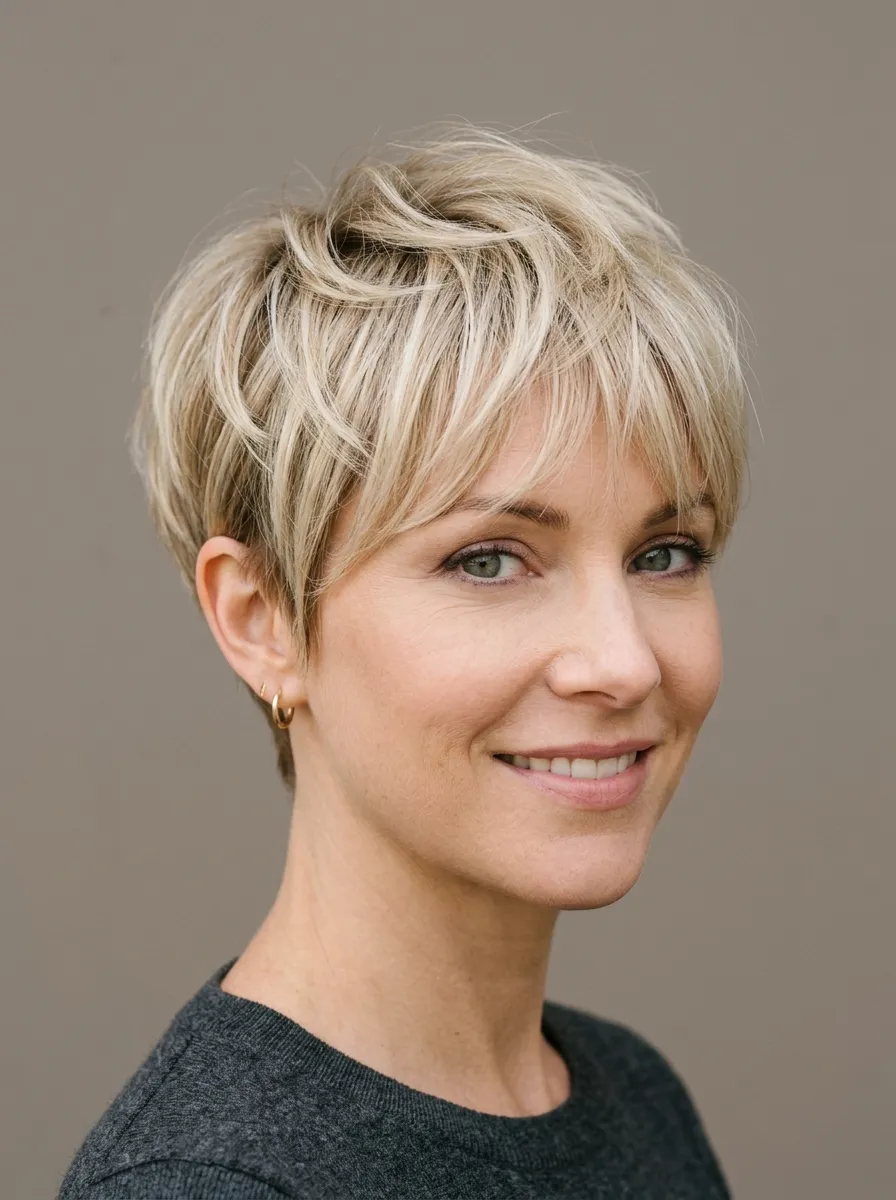
A tapered neckline paired with a soft fringe is a winning combination for thin, fine hair. The clean taper keeps the back looking dense and intentional while the fringe does the softening work at the front. Together, they create a pixie that looks polished from every angle without any obvious gaps or sparse areas.
Ask your stylist for: Light layering on the top and a gentle side fringe that falls naturally without needing to be pinned or held in place throughout the day.
Fringe tip: A soft fringe that moves with the hair rather than sitting stiffly is far more flattering on fine hair — ask your stylist to avoid cutting it too blunt or too heavy.
Styling tip: A light hold texture spray applied to damp hair and then scrunched upward gives the fringe that airy, effortless quality that makes it look full and casual.
Color tip: Blonde at this length reflects light beautifully — even very fine hair looks noticeably thicker under good lighting when the color is fresh and well-toned.
Undercut Pixie With Longer Top
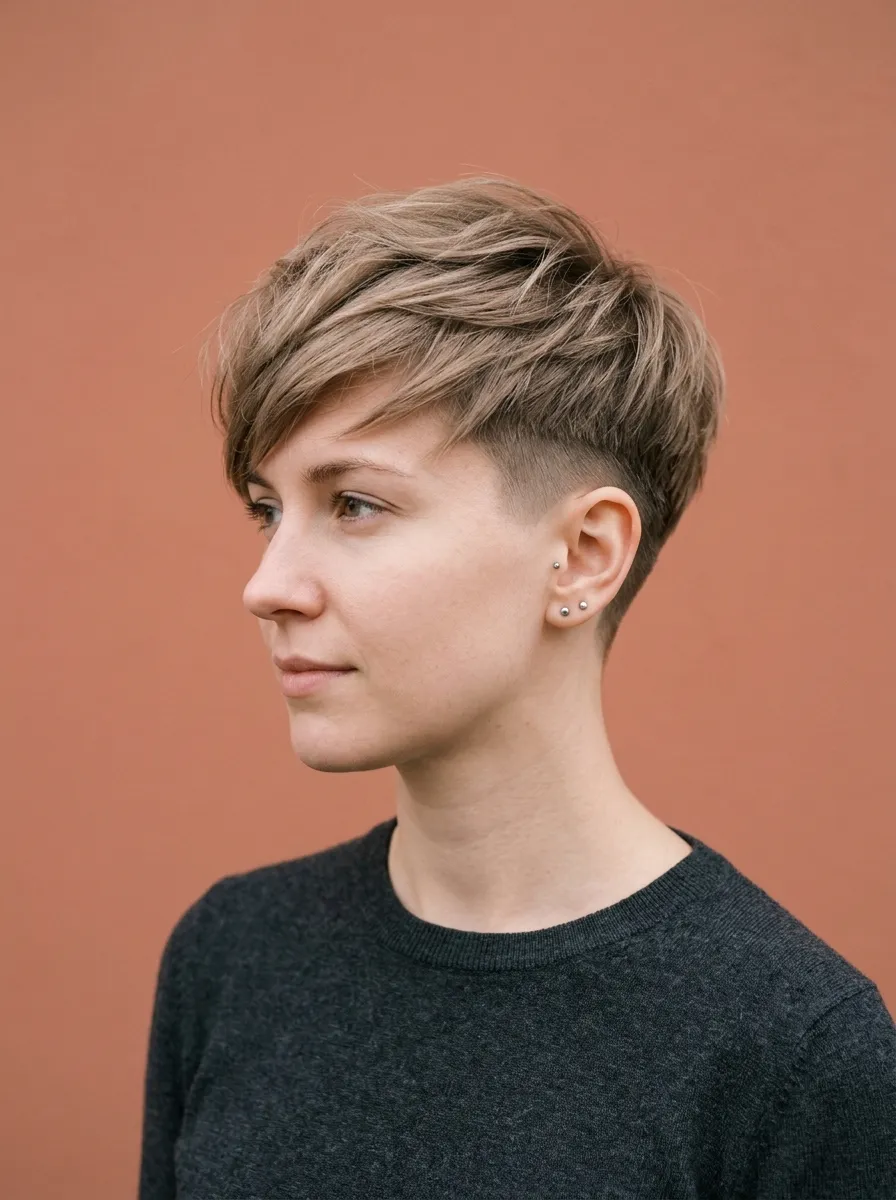
An undercut creates a clever contrast that actually makes fine hair on the top appear fuller. By removing some density underneath, the top section has less competition and sits higher and wider. The piecey crown on this style adds movement and makes the whole top look much more lush than it actually is.
Ask your stylist for: A low undercut positioned at the back of the head with a longer, piecey crown section that can be styled forward or lifted for different effects.
Volume trick: The undercut removes weight from underneath without touching the top, which is exactly what fine hair needs — less drag and more natural lift.
Styling tip: Finish with a small amount of dry wax worked through the crown, then lift individual sections upward with your fingertips to create the piecey, full-looking top.
Upkeep tip: The undercut grows in faster than the top, so book trims every four weeks to keep the contrast between the two sections looking intentional rather than grown-out.
Vintage-Inspired Sculpted Pixie
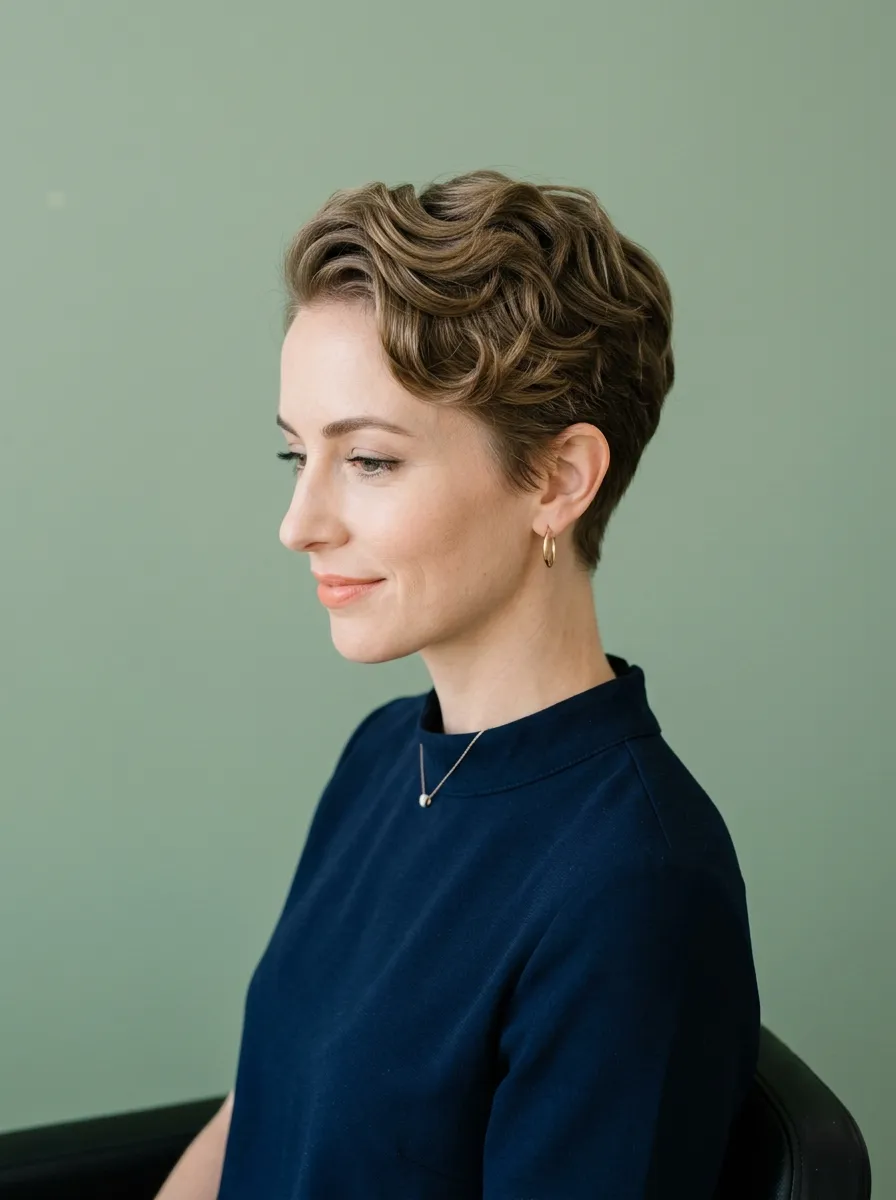
This style brings old Hollywood glamour into a modern short pixie. The smooth wave at the front gives fine hair a sculpted shape that looks intentional and elegant without being stiff or overly formal. It is the kind of pixie that makes you look like you just stepped out of a salon, even when you styled it yourself.
Ask your stylist for: A longer fringe section at the front that can be molded into a soft wave and a clean taper at the sides to keep everything refined and neat.
Wave tip: Apply a light styling cream to the fringe section while it is damp, then use a large round brush to direct it into the wave shape before setting with cool air.
Hold tip: A light-hold finishing spray is all you need to keep the vintage wave in place — anything heavier will make fine hair look flat and stiff rather than sculpted and soft.
Style tip: A fine-tooth comb smoothed through the top after styling gives this pixie that polished, retro finish that makes fine hair look genuinely thick and intentional.
Wispy Wavy Pixie
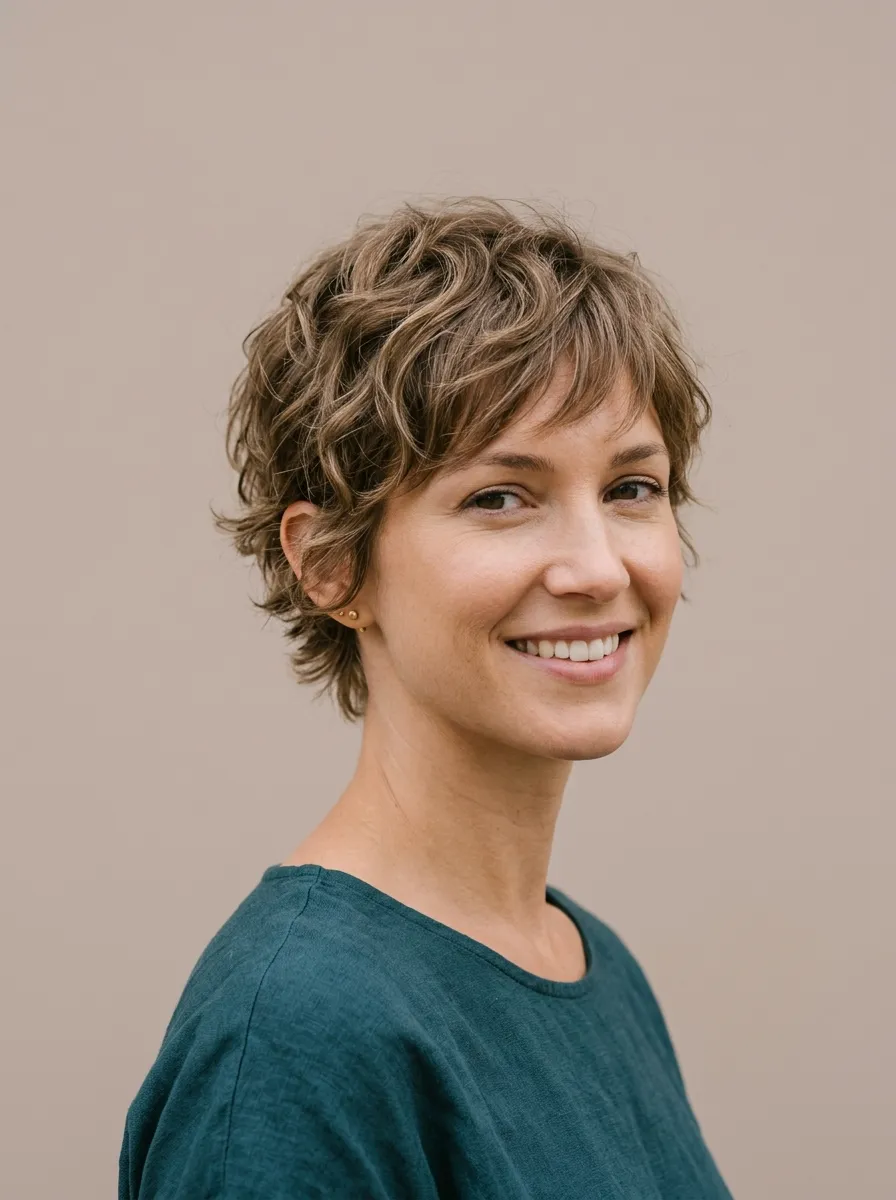
This pixie embraces the natural wave that many fine-haired people try to fight. Instead of smoothing the texture flat, this cut works with it — the wispy, wavy ends create organic movement that makes fine hair look more voluminous and alive. It is effortlessly pretty and genuinely easy to recreate every morning.
Ask your stylist for: A cut that preserves natural wave movement with soft, wispy ends rather than a blunt finish that would require heat styling to look intentional every day.
Wave tip: Scrunch a curl-enhancing mousse into damp hair and let it air-dry or diffuse briefly — fine wavy hair sets quickly and the result is a natural, full-looking texture.
Styling tip: Use your fingers rather than a brush when this style is drying — brushing breaks up the wave and turns wispy texture into a flat, undefined mess.
Morning tip: A light spritz of water and a quick scrunch is all this style needs on the second or third day to revive the wave and restore its airy, full appearance.
Frequently Asked Questions
What pixie cut makes thin hair look thicker? A pixie with a tapered outline, a side-swept fringe, and point-cut texture on the crown makes fine hair look noticeably fuller. Clean edges are the key — they stop fine ends from looking wispy and sparse.
Should I avoid layers if my hair is very fine? No, but you need the right kind of layers. Ask specifically for point-cut layers that add lift and texture at the crown. Avoid thinning shears, which strip density from fine hair and leave it looking stringy rather than voluminous.
What is the best product for styling a pixie on fine hair? Volumizing mousse applied to damp roots, followed by dry texture spray on dry hair, is the most effective combination. Avoid heavy oils or wax, which weigh fine hair down quickly and make it look flat.
How often does a pixie cut need trimming for fine hair? Every four to five weeks for most styles, and every three weeks for buzz or fade styles. Fine hair loses its shape quickly, and a precise outline is what makes a pixie look full rather than sparse.
Can fine hair really hold a spiky or textured pixie? Yes, and fine hair actually holds texture well with the right products. Mousse at the roots and matte paste on dry ends creates defined, lifted texture that stays in place much longer than most people expect.
Is a side part or center part better for a fine hair pixie? A deep side part is almost always better for fine hair. It creates an automatic volume boost by pushing the hair across the crown and covering more surface area on one side, which makes the whole head of hair look fuller.
The Secret to Pulling Off a Pixie When Your Hair Is Fine
Fine hair has a reputation for being difficult, but the truth is it just needs a different strategy than thicker hair types. The biggest mistake most people with fine hair make is choosing a pixie that removes too much length on the top. When the top is cut very short, fine hair has nothing to create lift with, and the result is a flat, sparse-looking style that needs constant restyling.
The cuts on this list all share one common element — they protect the crown. Whether it is through a side sweep, soft layering, a longer fringe, or a structured taper, every single one of these pixies keeps some material on top to work with. That material, even if it is just half an inch, is what gives fine hair the ability to look full and styled.
The other secret is the outline. Fine hair that ends in clean, precise lines always looks thicker than fine hair with soft, uncut ends. A trim every four to five weeks keeps these edges sharp and makes every one of these cuts look its absolute best.
The Right Way to Talk to Your Stylist About Fine Hair
Walk into your appointment with two things: a photo of the overall shape you want and a photo of the fringe or bang style you are considering. Most haircut miscommunications happen at the front of the head, where the fringe and face framing come together. Being specific about what you want there saves a lot of frustration.
Tell your stylist your hair is fine and ask them specifically to avoid heavy thinning shears on the lengths. Request point cutting instead. If they look uncertain about the difference, that is useful information — a stylist who regularly works with fine hair will immediately understand what you mean and why it matters.
Also ask what they recommend for your specific texture before they start cutting. A stylist who asks questions about your hair, your lifestyle, and your styling routine before picking up the scissors is almost always worth trusting. Those few minutes of conversation usually lead to a much better result than just handing over a photo and hoping for the best.
Glowing Up: Your Short Hair Era
Fine hair and pixie cuts are genuinely a perfect pairing when the cut is chosen thoughtfully. The styles on this list cover every personality and every comfort level — from the soft and understated grown-out pixie to the bold platinum buzz, there is an option here for every version of yourself.
The short hair era is more than just a haircut. It is a decision to stop fighting your texture and start working with it. Fine hair in a well-chosen pixie does not look sparse or thin — it looks intentional, styled, and completely effortless.
Start by saving two or three cuts that feel most like you. Then book your appointment, bring your photos, and let a good stylist do the rest. The right pixie is genuinely life-changing for fine hair, and these 26 options prove it beautifully.