Low Taper Fade for Straight Hair: 9 Fresh Styles to Try in 2026
Straight hair and a low taper fade were basically made for each other. The blend stays soft near the ears. The top stays flexible for almost any style. Barbers love it because it never looks harsh. Guys love it because it barely needs upkeep. Below are 9 low taper fade styles built for straight hair, plus everything you need to know before your next barber visit.
What Exactly Is a Low Taper Fade?
A low taper fade is a gentle blend that shortens the hair as it moves toward the ears and neckline. Unlike a skin fade, it never drops all the way down to bare scalp. The “low” part simply means the fade begins near the ear rather than up by the temple. This keeps the finish soft, natural, and easy on the eyes. It’s the mildest fade style out there, which is exactly why it has so many fans.
Quick tip: Ask for a “low” start point specifically, or your barber may default to a mid taper instead.
Why Straight Hair and Low Tapers Are a Perfect Match
Straight strands sit flat against the head, so a subtle blend shows up clean without any frizz interference. That flatness also means the top can go almost anywhere. Push it back, sweep it sideways, add texture, or leave it loose, the choice is yours. Another perk is regrowth. A low taper on straight hair grows out evenly, so you can stretch your barber visits a little longer. Less effort, more payoff, that’s the whole appeal.
Quick tip: Straight hair holds product well, so a small amount goes further than you’d expect.
1. The Timeless Classic Cut
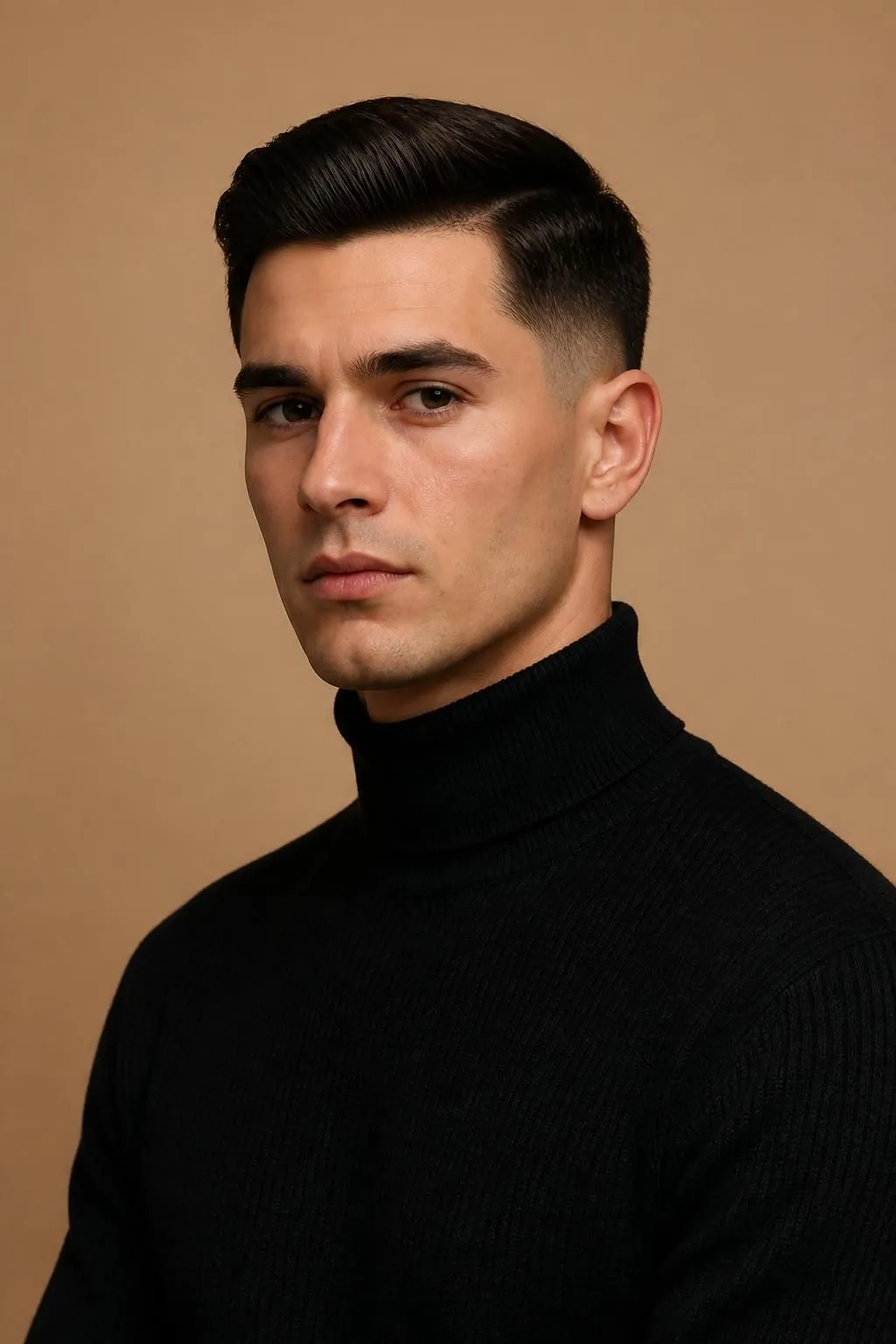
This is the style you can never go wrong with. Short, neat, and combed into a natural shape on top, with the low taper handling the sides quietly underneath. It suits nearly every face shape without trying too hard. Perfect for interviews, first dates, or just showing up looking put together every single day.
Style tip: Ask for a natural comb finish on top to keep the classic cut feeling relaxed, not stiff.
2. Textured Crop with a Low Blend
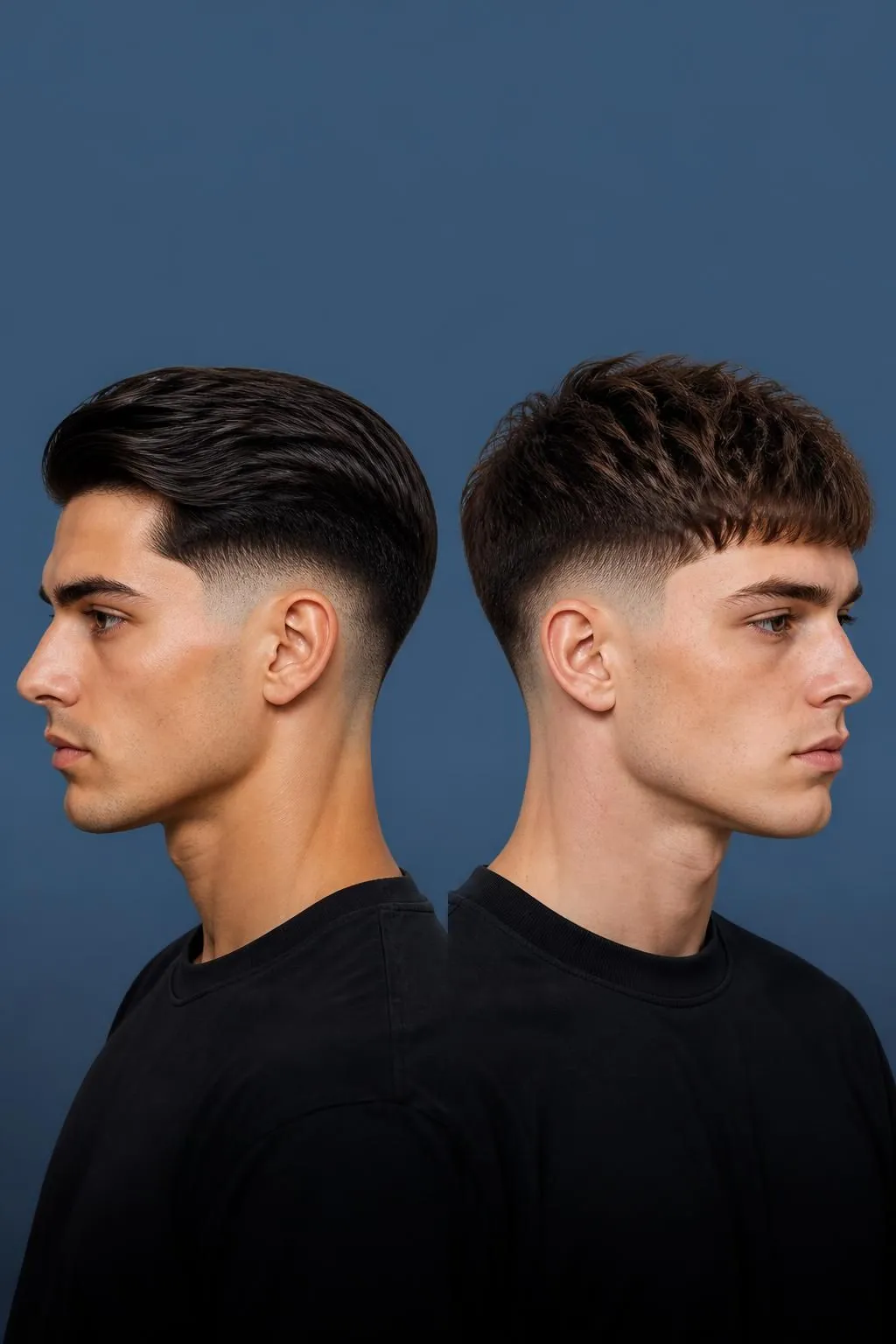
Take the short classic top and rough it up a bit. A matte product breaks up the strands so the hair on top gains texture and movement instead of sitting flat. The low taper stays crisp beneath it, giving the whole cut a sharper edge. This one is especially great if your hair runs on the finer side.
Style tip: Apply matte paste to damp hair first, this builds texture before it fully dries.
3. Fringe Forward Low Taper
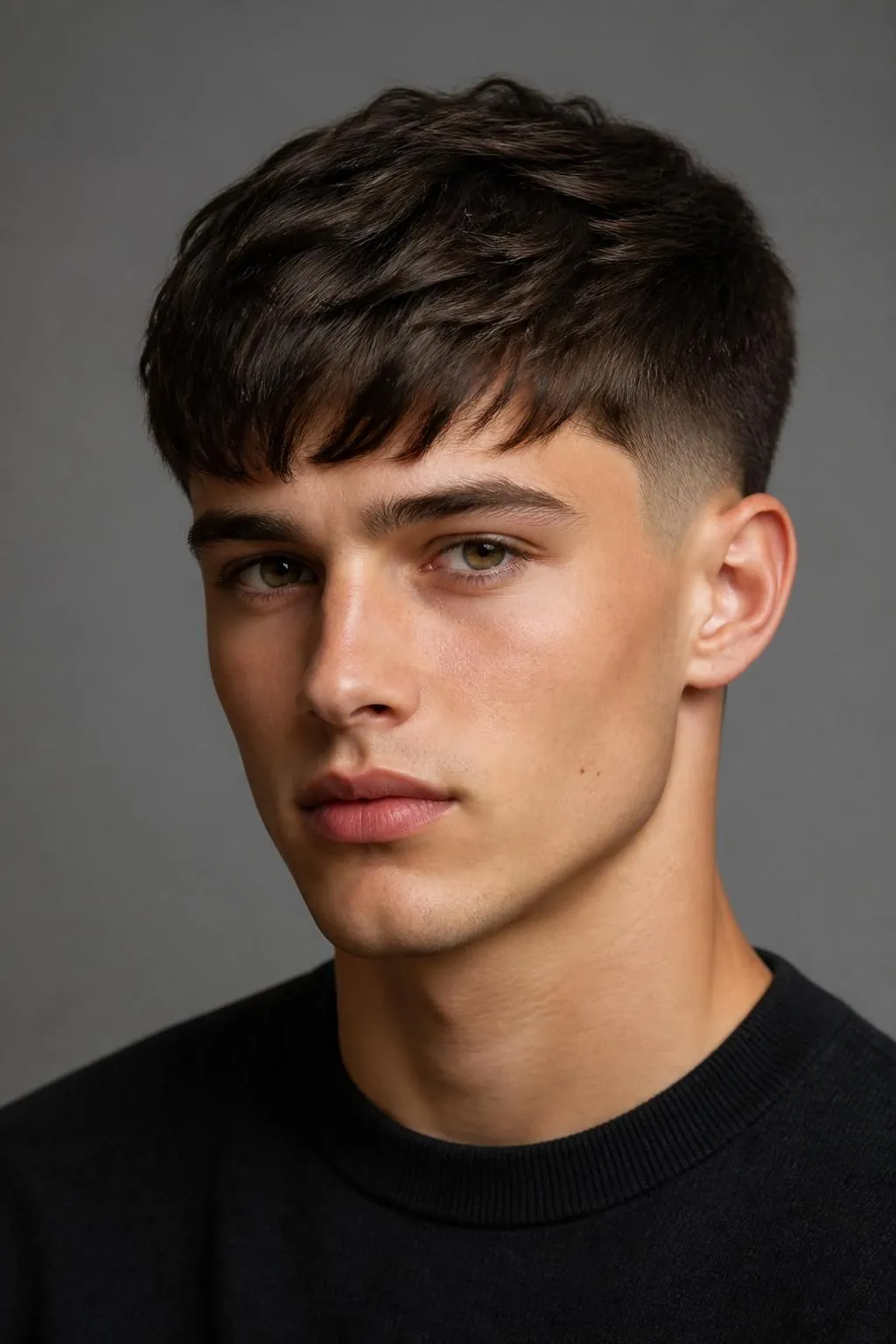
Bring the top hair forward instead of back, and you land on one of 2026’s most requested looks. The fringe sits cleanly across the forehead while the sides stay tight and tapered underneath. It frames the face in a youthful, effortless way that photographs beautifully for Pinterest boards and social feeds alike.
Style tip: Trim the fringe just above the eyebrows for a fresher, more youthful shape.
4. Sharp Comb Over Fade
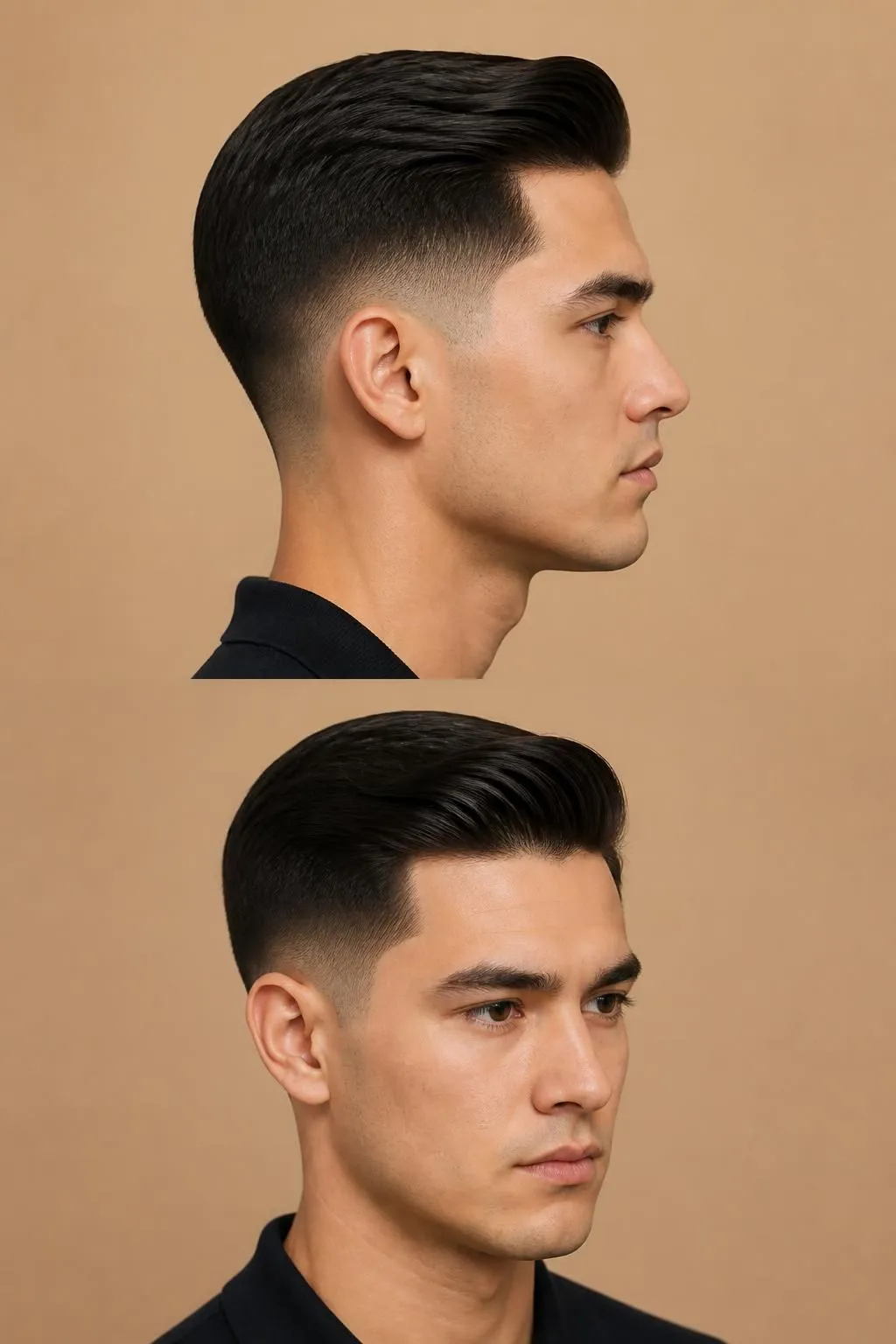
For a more polished, grown-up finish, the comb over delivers every time. A defined side part and a smooth sweep across the top pair naturally with the tapered sides. Straight hair holds this combed shape effortlessly, without flyaways fighting the style. It’s dressy enough for work yet easy enough for daily wear.
Style tip: A light-hold pomade keeps the part crisp without making hair look greasy or heavy.
5. Voluminous Quiff Style
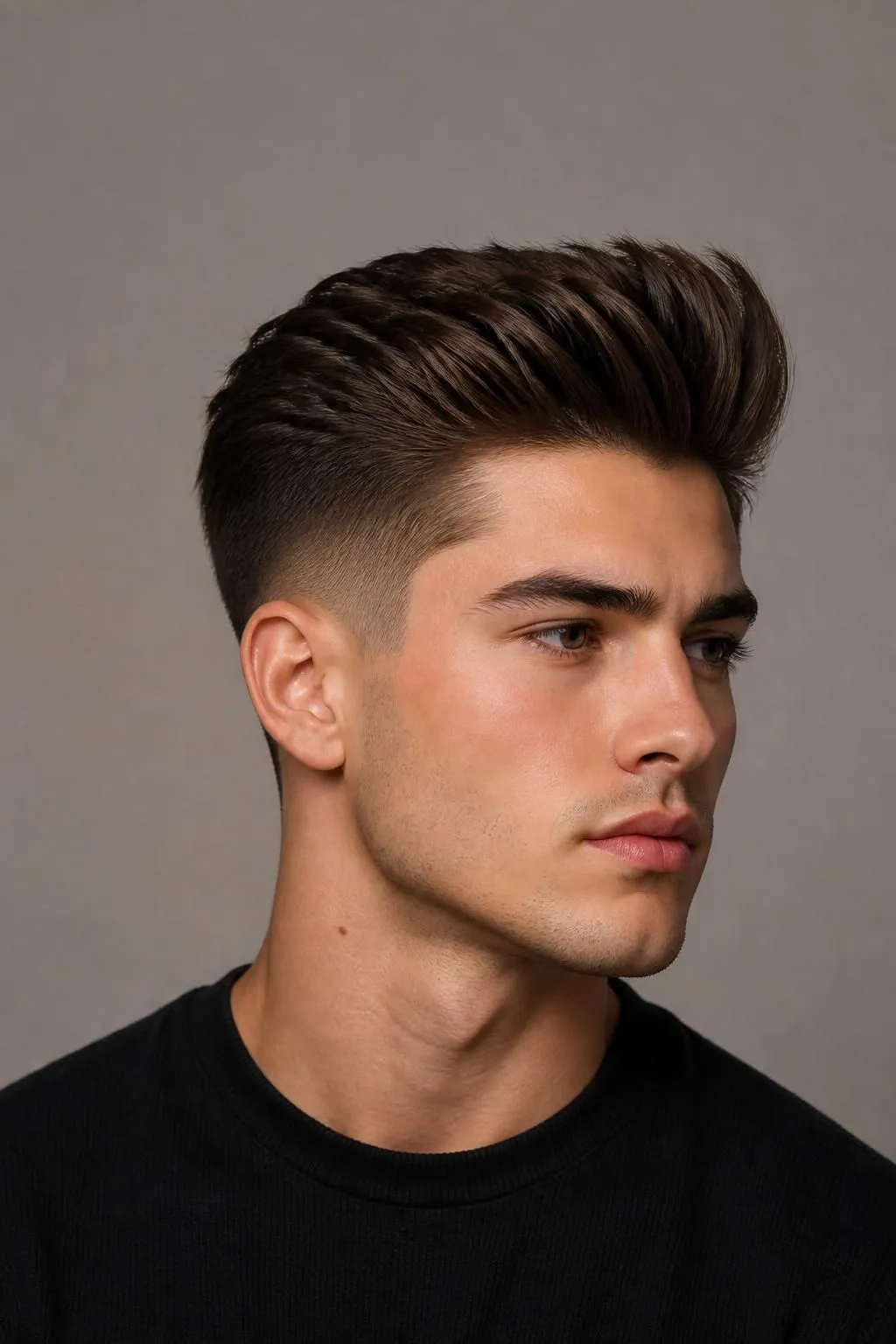
Craving a bit more height? The quiff lifts hair up and back at the front, creating real volume and presence. The low taper underneath balances that height so the whole look stays controlled rather than overdone. A quick blow-dry plus pomade gives straight hair the smooth lift this style depends on.
Style tip: Dry hair upward with a round brush before applying any product for lasting lift.
6. Sleek Slick Back
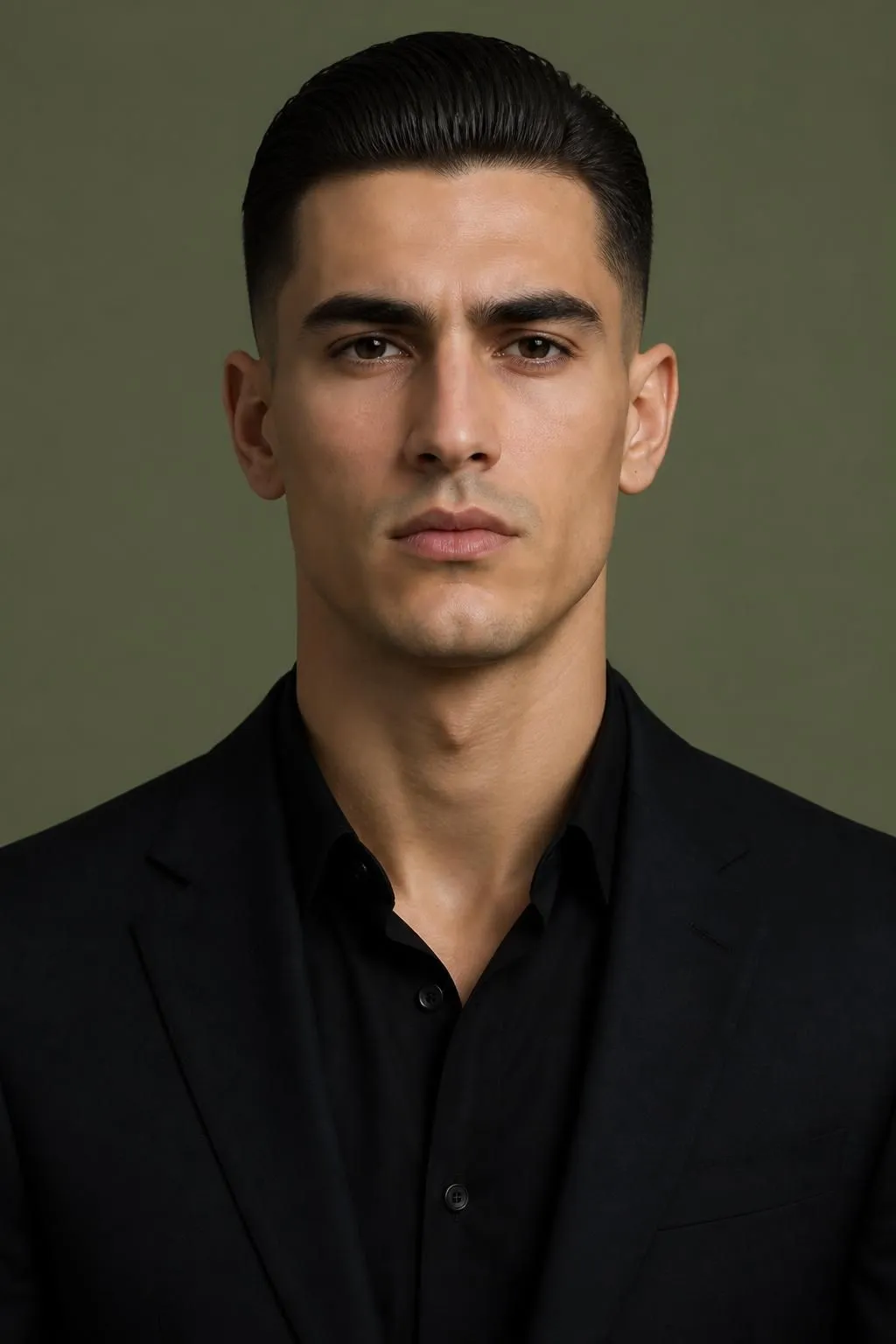
Nothing says confidence quite like a slick back. Hair is combed straight off the face, which straight strands handle beautifully, while the tapered sides keep things from looking bulky. Add a touch of pomade for that glossy, put-together shine. It’s a style that only gets better as the top grows out.
Style tip: Comb hair back while still slightly damp for the smoothest, most even finish.
7. Low-Maintenance Crew Cut
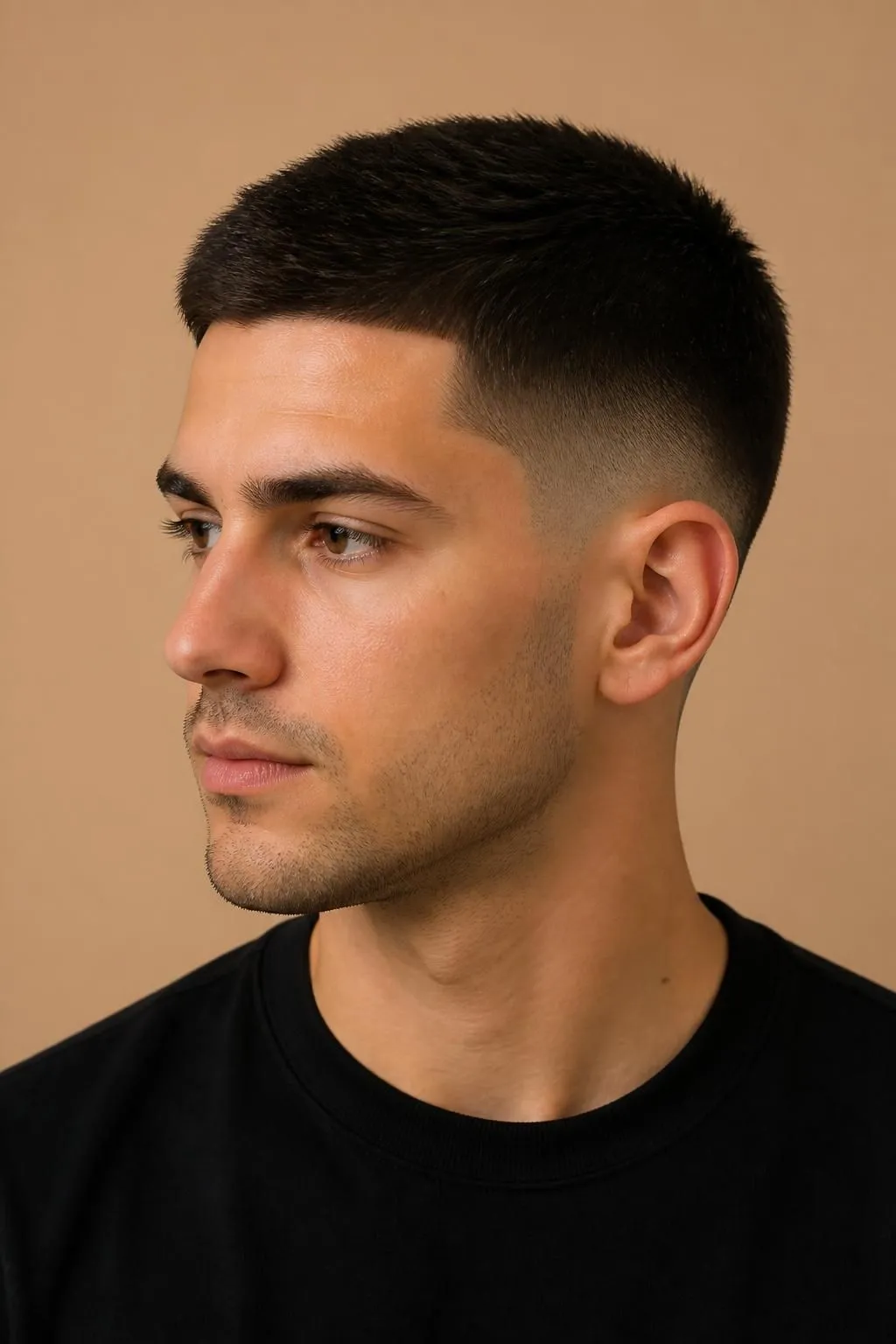
Want the easiest style on this whole list? The crew cut is short, even, and requires almost zero daily effort. The low taper blends the sides cleanly, and that’s it, you’re done. Ideal for busy schedules, workouts, and hot weather when styling time just isn’t a priority.
Style tip: Keep top length around half an inch for a crew cut that needs no product at all.
8. Effortlessly Messy Top
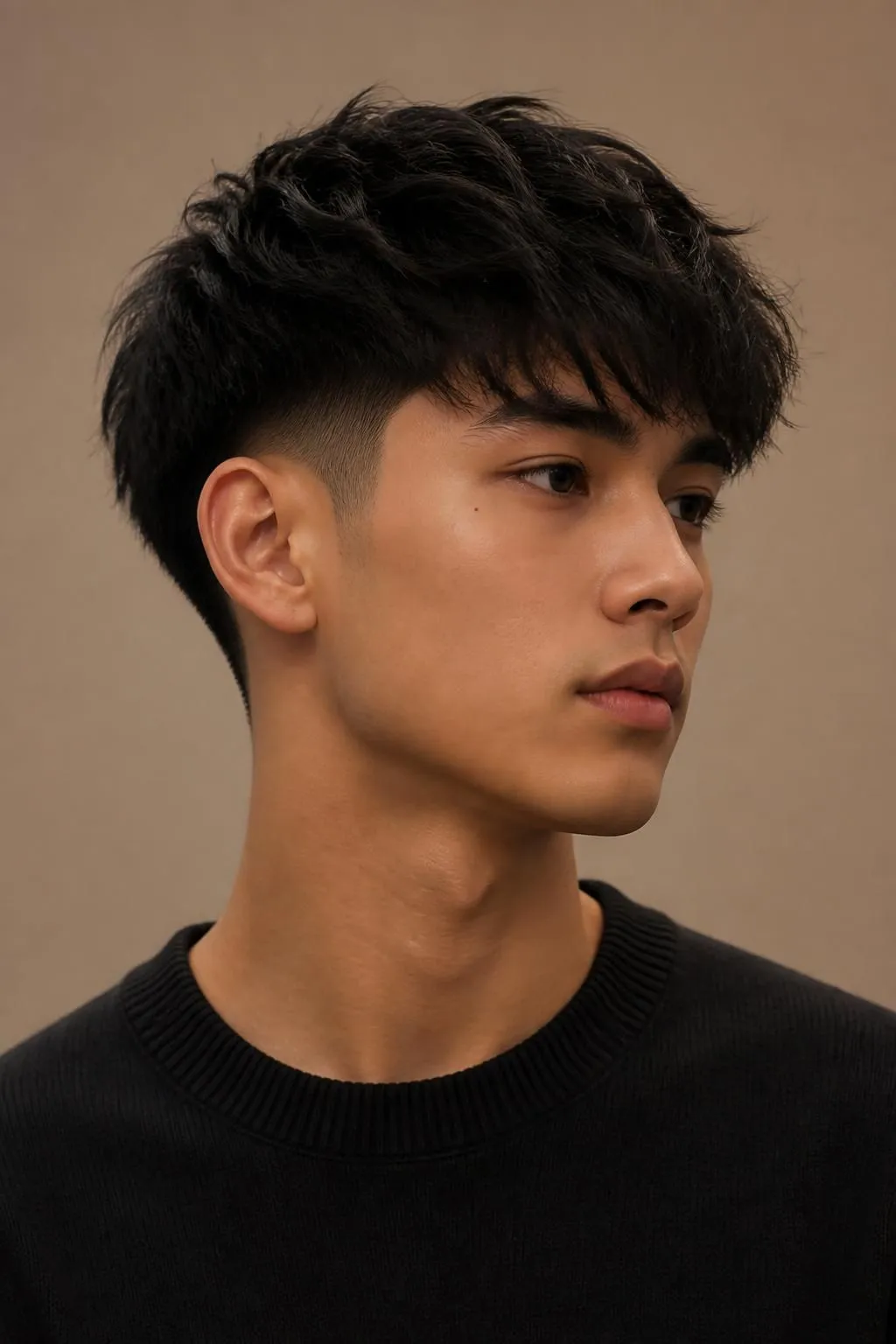
This look keeps a little extra length on top and lets it fall loose and relaxed. Straight hair gets a laid-back, undone vibe that still looks intentional thanks to the clean tapered sides underneath. A dab of sea salt spray or light clay is all it takes to finish the look.
Style tip: Scrunch in sea salt spray with fingers rather than a comb for natural texture.
9. Brushed Up and Full
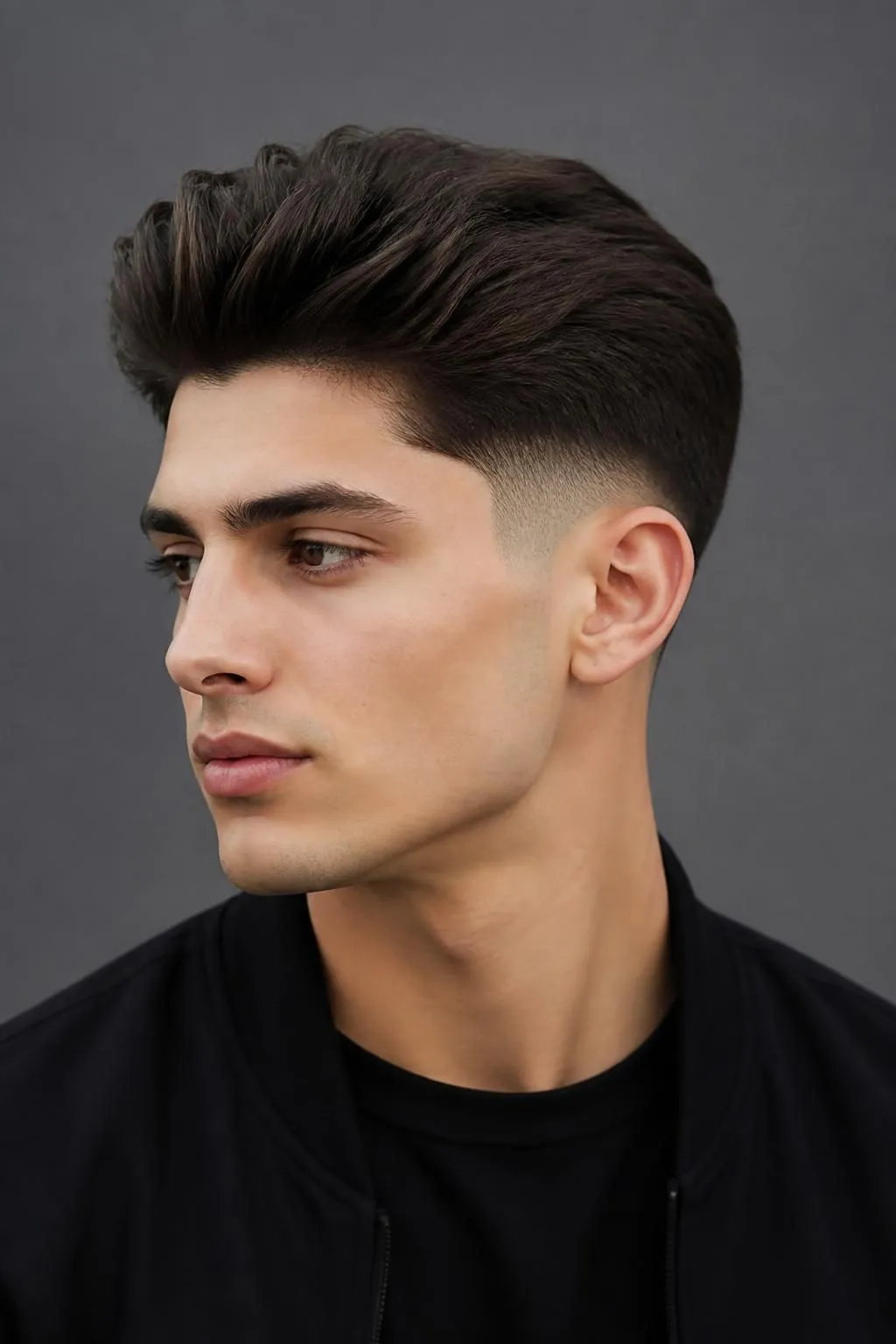
Somewhere between a quiff and a messy top, the brushed up style pushes hair upward and slightly back for fullness without excess styling effort. It photographs incredibly well and works for nearly any occasion. Straight hair takes to this shape easily with a blow-dry and a touch of matte product.
Style tip: Focus the blow-dryer at the roots first, this is where lasting volume actually starts.
How to Describe This Cut to Your Barber
Clarity is everything at the barber chair. Say clearly that you want a low taper, starting near the ears, and specify that you do not want it taken to bare skin. Then describe your desired top style and roughly how much length to leave. Pull up a reference photo on your phone, it removes almost all guesswork. Mentioning your hair is straight also helps your barber plan the top correctly.
Quick tip: Bring two reference photos, one for the sides and one for the top style you want.
Everyday Styling and Upkeep Tips
Straight hair is genuinely low-maintenance, but a few habits keep a low taper looking fresh between visits. Always blow-dry into your desired shape before applying anything, this gives far more control than styling dry hair. Choose your product by finish: matte clay for something natural, pomade for shine and hold. Keep the neckline tidy at home with a trimmer, and book a barber visit every three to five weeks. Because straight hair shows oil quickly, wash regularly and use a light conditioner to keep it manageable.
Quick tip: A lightweight sea salt spray adds grip on days you skip the blow-dryer entirely.
Matching the Cut to Your Face Shape
Face shape can guide which top style suits you best. Rounder faces benefit from added height, think quiff or brushed up styles, to create length and balance. Oval and longer faces can wear nearly anything, though a fringe or textured crop keeps proportions in check. Square, angular faces pair beautifully with a clean classic or comb over that echoes those strong lines. No matter your shape, the low taper itself stays universally flattering since it softens rather than sharpens.
Quick tip: Unsure of your face shape? A barber can usually tell within seconds and guide your top style.
The Cutting Process, Step by Step
Understanding the process helps you know exactly what to expect in the chair.
- Start with clean, dry hair. Damp hair hides true length and can throw off the entire taper.
- Mark the taper’s starting point low. It should begin just above the ears, not up near the temples.
- Work the guards downward gradually. Clipper sizes drop step by step, leaving slight length at the bottom.
- Blend until seamless. No harsh lines should remain between lengths once blending is complete.
- Finish and style the top. The top gets shaped to your chosen look, then styled with product.
Quick tip: Ask your barber to check the blend from multiple angles under bright light before finishing.
Clipper Guard Numbers to Request
If you like giving exact numbers, here’s a solid starting range for a low taper on straight hair.
- Top of the taper: #2 or #3 where sides meet the longer top hair.
- Middle section: #1 or #1.5 to begin dropping the length gradually.
- Bottom near ears: #0.5 or closed lever, kept just off the skin.
These numbers flex depending on your hair thickness, so always pair them with a reference photo.
Fixing Common Straight Hair Fade Issues
My top looks flat, what’s wrong?
Flatness usually comes from drying hair down or using heavy product. Blow-dry upward and back, then finish with a light matte clay for lift.
The taper grew out unevenly, now what?
A quick trimmer touch-up on the neckline and sideburns extends your cut by a week or two without a full barber visit.
It looks too sharp near my ears, how do I fix that?
Ask your barber to start the taper slightly lower and blend more gradually next time for a softer overall finish.
My hair won’t hold any shape, help?
Blow-dry into position first, then use a strong-hold matte product on completely dry hair for lasting shape.
Frequently Asked Questions
Does a low taper fade suit straight hair well?
Absolutely, it’s one of the strongest pairings out there. Straight hair lies flat, showing off the blend cleanly while the top stays flexible for styling.
How often should I get it touched up?
Every three to five weeks keeps things sharp. Since it never reaches skin, it grows out more gracefully than tighter fades.
What separates a low taper from a low fade?
A taper keeps some length at the bottom for softness, while a fade blends closer to skin for stronger contrast and definition.
Which style needs the least upkeep?
The crew cut and classic cut both require minimal daily styling and stay neat right up until your next appointment.
Is this cut good for fine or thin hair?
Yes, definitely. Short, clean sides make top hair appear thicker by contrast, especially with textured or classic styles.
Can a low taper work with a receding hairline?
It works great. Attention shifts down toward clean sides, and a fringe or textured crop helps soften the front naturally.
Barber Chair Confidence Starters
Walking into a new barbershop can feel intimidating if you’re unsure how to explain what you want. Saving photos ahead of time removes almost all the pressure, letting the visual do the talking instead of trying to describe length and blend verbally.
Building a shorthand with a regular barber also pays off over time. Once they know your hair type and preferences, future visits get faster and the results get more consistent with every cut.
Wrapping It All Up
A low taper fade on straight hair is one of those cuts that just works, no matter your style, schedule, or face shape. It’s forgiving, versatile, and endlessly easy to maintain between visits. Whether you lean classic and simple or add flair with a fringe or quiff, the tapered sides tie everything together neatly.
Save your favorite look from this list, screenshot it, and bring it straight to your next appointment. A little preparation goes a long way toward walking out of that chair exactly as sharp as you imagined.