
How to Reduce Open Pores Naturally: 10 Simple Tips for Smoother-Looking Skin
Knowing how to reduce open pores starts with understanding why they become more noticeable. Excess oil, congestion, dehydration, sun exposure, and loss of skin firmness can all make pores appear larger.
You cannot permanently erase pores because they are a natural part of your skin. However, the right skincare routine can keep them clearer, reduce excess shine, improve texture, and make them look less noticeable.
1. Massage Your Cleanser In for 60 Seconds
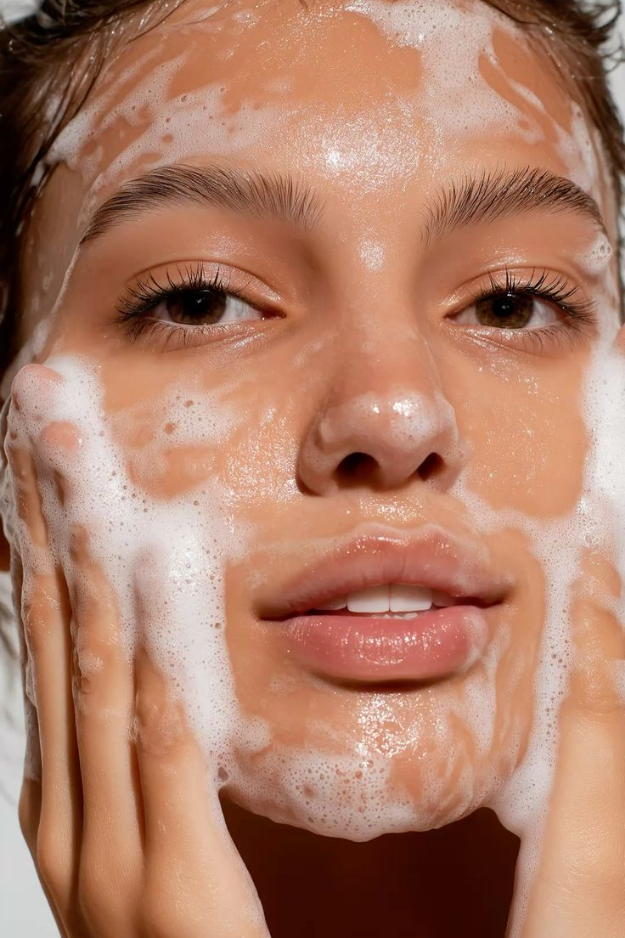
Most people wash their face for only a few seconds before rinsing. Spending closer to a full minute gently massaging your cleanser into the skin gives it more time to loosen excess oil, sunscreen, makeup, and daily buildup.
Pay particular attention to areas where pores tend to be more visible, including the nose, inner cheeks, and forehead. Use gentle circular movements rather than aggressive scrubbing, since irritation can make skin texture look more noticeable.
Tip: Salicylic acid cleansers can be useful for oily or congested skin, while a gentle low-foam cleanser may be more comfortable for dry or sensitive skin.
2. Apply Cold After Your Skincare Routine
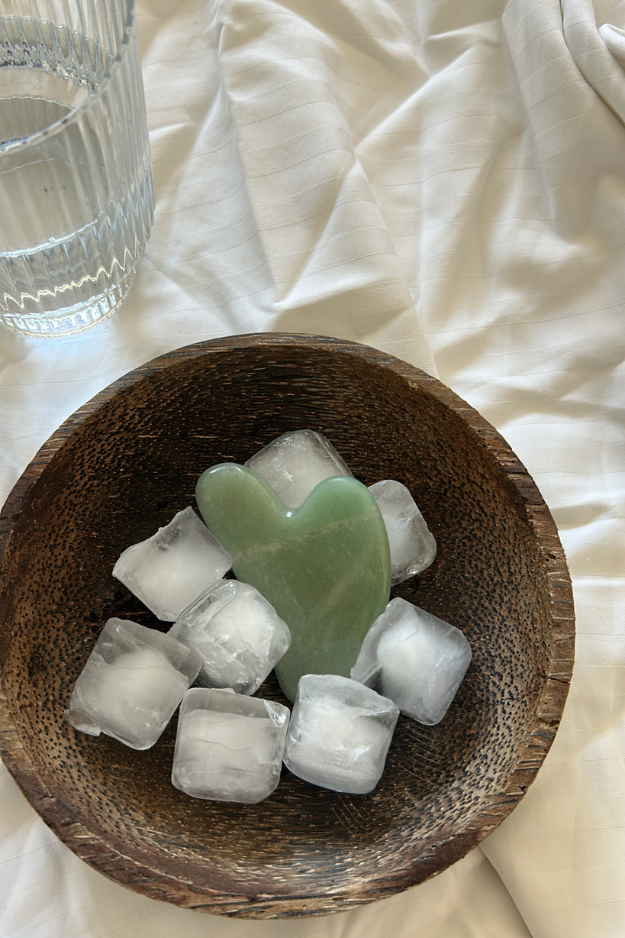
Cold can temporarily make pores appear tighter while reducing the look of surface redness. Although this effect doesn’t permanently change pore size, it can give your complexion a smoother and fresher appearance.
Instead of placing ice directly against your skin, wrap it in a thin, clean cloth and gently press it against the areas you want to cool.
Tip: Avoid holding bare ice against your face. Excessive cold can cause irritation and discomfort.
3. Try Niacinamide for Excess Oil and Visible Pores
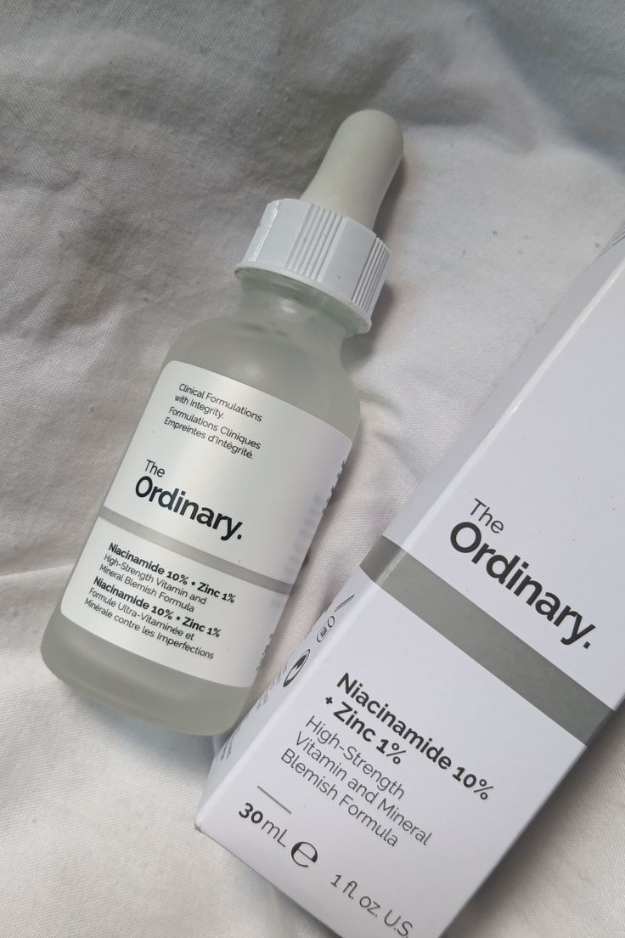
Niacinamide can be a helpful ingredient when pores become more noticeable because of excess oil. It can support the skin barrier while helping improve the appearance of uneven texture and shine.
Rather than immediately combining multiple strong acids, try introducing one niacinamide serum into your routine and using it consistently.
Tip: If your skin is sensitive, start with a lower-strength formula and increase gradually if your skin tolerates it well.
4. Add a Retinoid to Improve Skin Texture

Retinoids don’t physically close pores, but they can improve their appearance by encouraging regular skin-cell turnover and reducing the buildup of dead skin around pore openings.
They can also help create smoother-looking skin over time. Since retinoids may cause dryness or irritation when first introduced, start slowly rather than using them every night immediately.
Tip: Begin two or three nights per week and gradually increase frequency as your skin adjusts.
5. Keep Dehydrated Skin Properly Moisturized
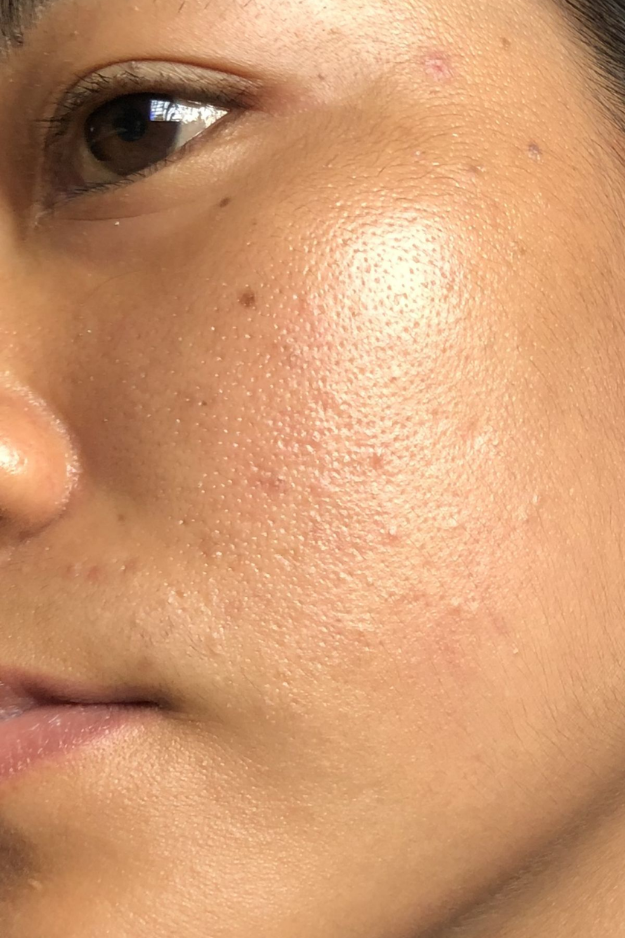
Dehydrated skin can make pores and uneven texture look more obvious. When the skin surface becomes dry and rough, light catches those irregularities more easily.
Instead of responding to oily skin with constant exfoliation, focus on hydration. Lightweight moisturizers containing ingredients such as glycerin or hyaluronic acid can help create a softer, smoother-looking surface.
Tip: If your skin feels tight immediately after cleansing, your cleanser may be too harsh. Consider switching to a gentler formula.
6. Use Clay Masks Only Where You Need Them
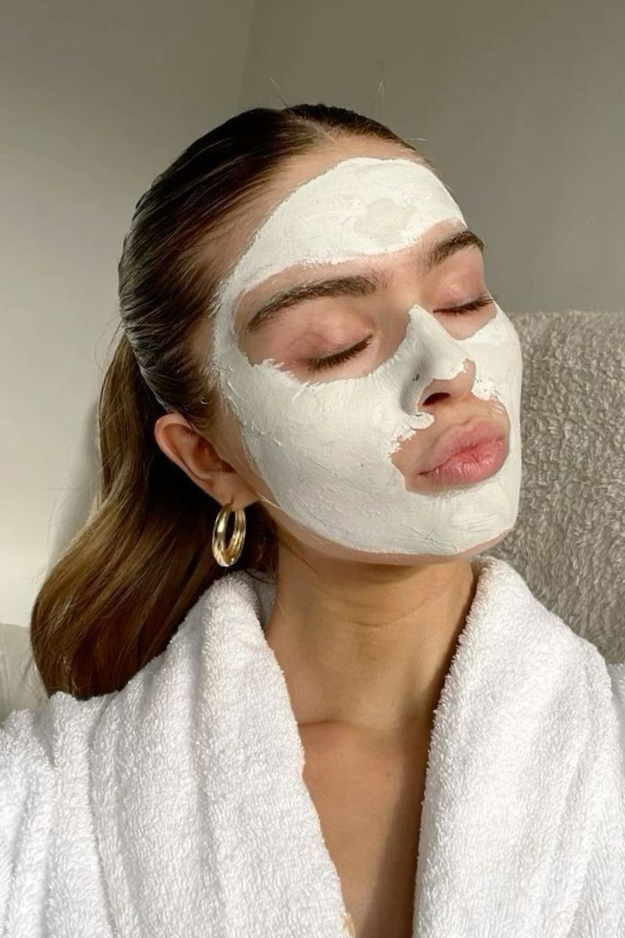
Clay masks can temporarily absorb excess oil and help congested areas feel cleaner. However, applying a drying clay mask over your entire face too frequently may leave your skin dehydrated.
Try applying clay specifically to oily areas such as your nose, forehead, and inner cheeks. This targeted approach helps control excess oil without unnecessarily drying out the rest of your face.
Tip: Follow the product’s recommended application time and rinse before the mask becomes extremely dry and cracked.
7. Wear SPF to Protect Your Skin

Daily sunscreen is an important long-term step for maintaining healthy-looking skin. UV exposure can contribute to collagen breakdown, and reduced skin firmness may make pores appear more prominent.
Using broad-spectrum SPF 30 or higher every day helps protect your skin from ongoing UV exposure. It won’t instantly shrink pores, but it can help protect the skin structure surrounding them.
Tip: If you dislike heavy sunscreen, choose a lightweight gel, fluid, or non-comedogenic formula that feels comfortable enough for everyday use.
8. Stop Checking Your Skin With a Magnifying Mirror
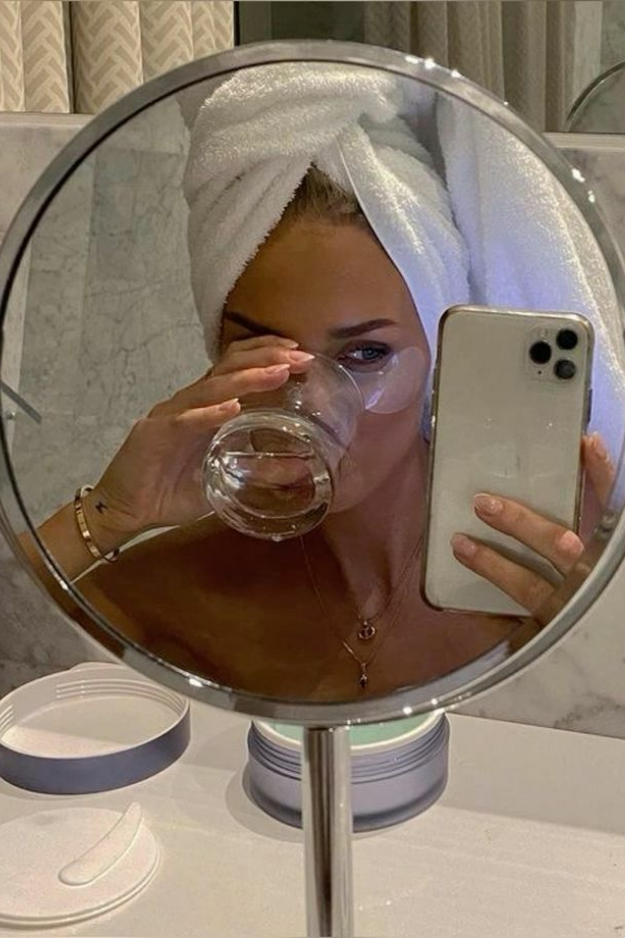
Your skin is naturally supposed to have pores. Looking at your face from extremely close distances can make normal texture appear much more noticeable than it really is.
Instead, evaluate your skin from a normal viewing distance and in natural lighting. You may find that many of the pores that bother you are barely noticeable during everyday interactions.
Tip: Don’t let magnification make you feel that perfectly poreless skin is the goal. Natural skin texture is completely normal.
9. Use a Silicone Primer for Instant Smoothing
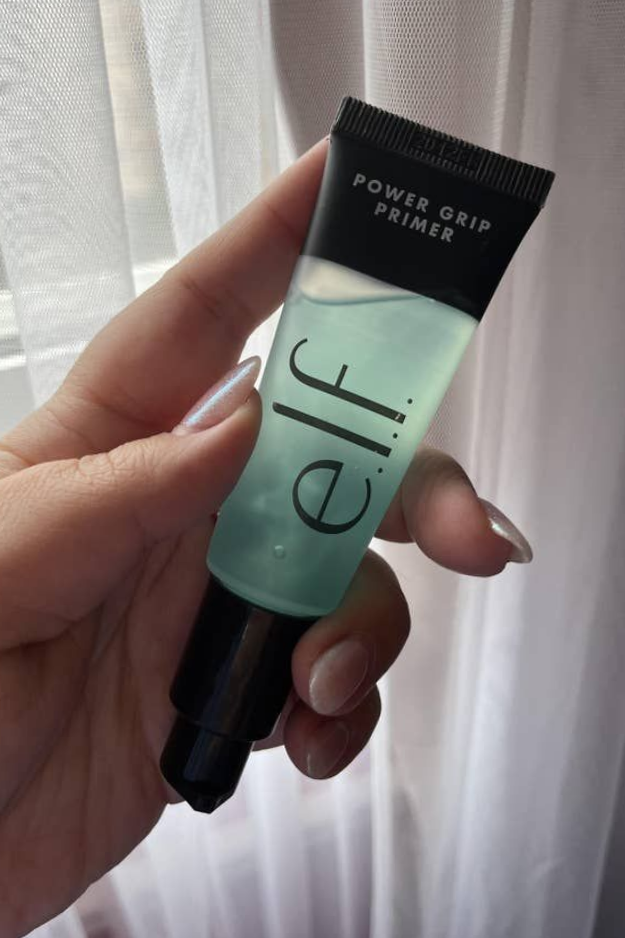
Skincare requires consistency, but makeup can create an immediate smoothing effect. A lightweight silicone-based primer can blur the appearance of pores and create a more even-looking surface.
Apply a small amount specifically to pore-heavy areas such as the nose and cheeks. Gently pressing the product into the skin can help create a smoother finish.
Tip: Use a thin layer. Too much primer can pill underneath foundation and create additional texture.
10. Those Black Dots May Be Sebaceous Filaments
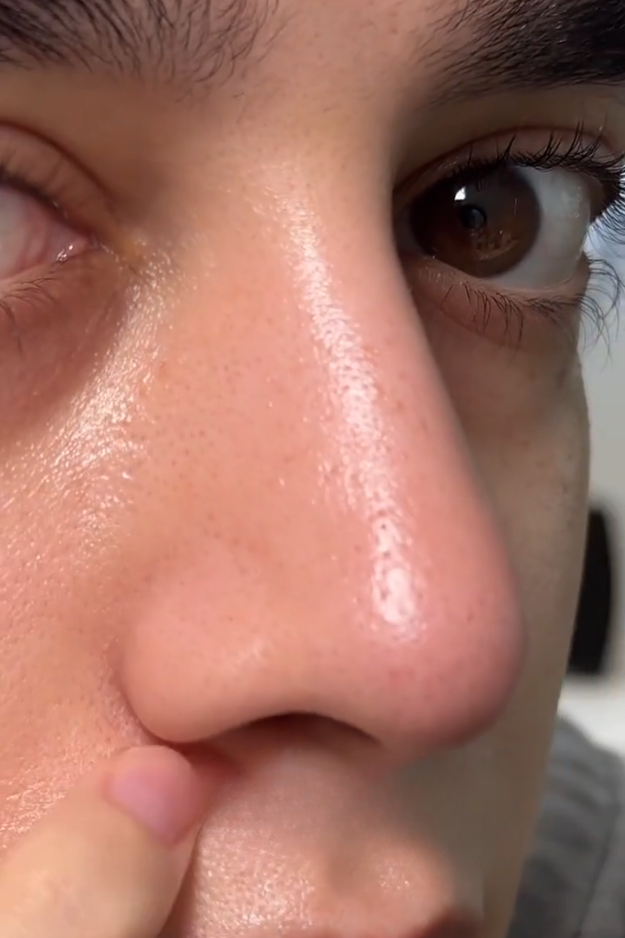
If tiny dark dots on your nose keep returning after you remove them, they may be sebaceous filaments rather than blackheads. Sebaceous filaments are normal structures that help move oil toward the skin’s surface.
Repeated squeezing and aggressive pore-strip use can irritate the skin. Instead, focus on a consistent routine that helps manage oil and congestion without damaging the surrounding skin.
Tip: Salicylic acid can help with congestion, while a retinoid can support regular cell turnover. Introduce active ingredients gradually rather than using several strong treatments at once.
The Simple Routine That Works
If you’re trying to reduce the appearance of open pores, consistency matters more than constantly changing products.
Morning: Gentle cleanser → niacinamide serum → lightweight moisturizer → SPF
Night: Cleanser with a gentle 60-second massage → salicylic acid or retinoid → moisturizer
If you’re new to active ingredients, introduce them one at a time. Using several powerful actives together can increase irritation without necessarily producing better results.
Final Thoughts
Open pores are a natural feature of healthy skin, so the goal isn’t to erase them completely. Instead, focus on making them less visible by keeping your skin hydrated, managing excess oil, protecting collagen, and maintaining a consistent skincare routine.
Give your products enough time to work before changing your routine. A simple approach followed consistently for several weeks is usually more useful than constantly switching from one treatment to another.