
 CelebriHubTeam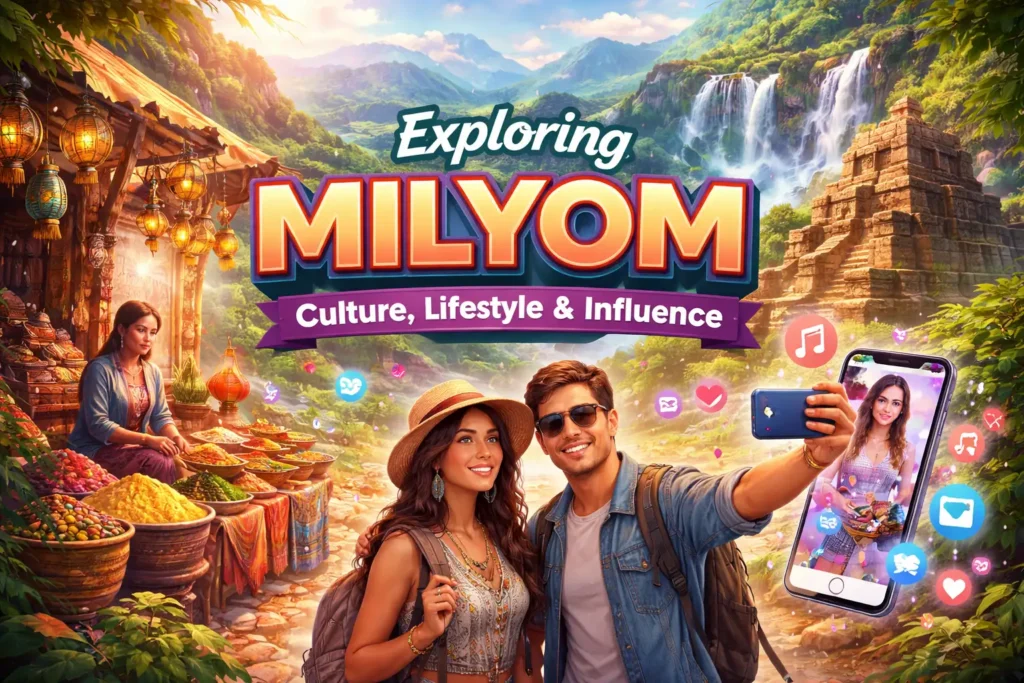
In a world powered by technology, micro-communities, and cultural experimentation, new concepts continue to emerge and reshape how we live. One such fascinating concept is Milyom—a term that encapsulates layers of meaning tied to identity, lifestyle, and culture. While some view Milyom as a trend rooted in modern digital culture, others interpret it as a symbol of deeper cultural expression, community belonging, and experiential living. From fashion to media narratives, and even travel, Milyom influences multiple dimensions of our contemporary world. This article takes a holistic look at what Milyom means, where it comes from, how it influences modern lifestyle, how it is represented in pop culture, and why it matters today.
What is Milyom?
At its core, Milyom represents a blend of lifestyle choices, cultural symbolism, and social behavior shaped by modern influences. It is often associated with:
- Community and shared experiences
- Identity and self-expression
- Digital communication patterns
- Cultural trends and micro-communities
Unlike traditional lifestyle labels, Milyom does not adhere to strict rules. Instead, it exists fluidly across digital spaces, fashion aesthetics, entertainment narratives, and everyday interactions. The growing use of the term in online discussions highlights how people relate it to both personal identity and collective belonging.
For some, Milyom signifies authenticity in a world full of curated appearances. For others, it represents a movement of cultural blending, where tradition meets technology and individuality meets community. This multi-dimensional nature is what makes the concept captivating and relevant.
The History and Origins of Milyom
The origins of Milyom can be traced through cultural and linguistic evolution. Early uses of the term were rooted in ideas of community, shared identity, and social bonding. In its earliest forms, Milyom symbolized connection and collective experience—values that shaped interactions within groups.
As societies developed and urbanization spread, the meaning of Milyom expanded. Instead of describing local communal ties, it grew to encompass interpersonal relationships, communication styles, and cultural patterns. With globalization and digital transformation, Milyom evolved again, becoming intertwined with:
- Digital social networks
- Lifestyle aesthetics
- Identity construction
- Youth culture
In contemporary contexts, the term is used to describe lifestyle orientations, cultural influences, and symbolic expressions that resonate across globalized communities. Its evolution reflects how language adapts to new realities, ensuring that Milyom remains relevant in a hyper-connected world.
Cultural Significance: Traditions, Lifestyle & Local Identity
Beyond digital meaning, many associate Milyom with unique cultural traditions, heritage, and local identity—especially in regions where the concept has historical or social roots. This cultural layer reveals how Milyom is more than a trend; it is an expression of:
- Traditional arts and crafts
- Festivals and communal celebrations
- Rituals, storytelling, and folklore
- Culinary identities and shared meals
In traditional settings, Milyom may describe a distinct cultural ecosystem where daily living is shaped by community values, environmental harmony, and inherited customs. Meals are shared, festivals are celebrated collectively, and narratives are passed down through oral storytelling, preserving both identity and history.
With time, these traditions merged with modern practices. Today, fashion inspired by Milyom aesthetics, handcrafted designs, and regional artistic expressions are gaining attention among younger audiences seeking authentic cultural experiences. This has helped bridge the gap between the old and the new, proving that Milyom continues to evolve without losing its cultural essence.
Milyom in Modern Media, Pop Culture & Global Narratives
The presence of Milyom in modern media has amplified its visibility and shaped how people interpret it. Films, television shows, web series, songs, and social media content frequently explore themes such as:
- Identity and belonging
- Youth culture and individuality
- Technology and relationships
- Cultural transitions
- Social pressures and authenticity
Characters influenced by Milyom often highlight the struggles of self-expression in a changing world. This makes the concept relatable to audiences who experience similar transitions. In music, artists may use references to Milyom to explore emotional narratives around community, self-discovery, and social expectations.
On social platforms, influencers and digital creators incorporate Milyom into their content through:
- Aesthetic visuals
- Lifestyle vlogs
- Fashion and design
- Cultural commentary
- Meme culture
This digital presence transforms Milyom into a symbol of modern identity formation, demonstrating how online communities build collective meaning around cultural concepts.
The Impact of Milyom on Today’s Society
The influence of Milyom on society can be seen in both positive and negative ways. On the positive side, Milyom encourages:
- Creativity and innovation across art, fashion, and media
- Community building through shared experiences and niche groups
- Cultural curiosity and respect for diversity
- Authentic self-expression without rigid conformity
These aspects contribute to a more connected and expressive society where people feel empowered to define their identities.
However, Milyom also presents challenges and social tensions. The desire to align with group identities can result in:
- Conformity pressures
- Social comparison
- Validation seeking through digital engagement
- Consumerism and fast-trend behavior
Marketing industries often leverage Milyom aesthetics to drive consumption, which may accelerate non-sustainable purchasing habits, especially among youth. Additionally, digital portrayals of Milyom can set unrealistic standards, affecting self-image and mental well-being.
Whether viewed positively or critically, it is clear that Milyom has become part of the cultural fabric of modern life, influencing how people think, communicate, and participate in society.
Milyom as a Destination: Places, Travel Tips & Experiences
For some, Milyom refers not only to a concept but also to a distinct travel destination known for its scenic beauty, historical depth, and cultural richness. Travelers drawn to Milyom often seek:
- Natural landscapes and scenic views
- Ancient ruins and historical sites
- Artisan markets and cultural festivals
- Local cuisines and culinary traditions
Popular tourist highlights include cascading waterfalls, lush forests, vibrant marketplaces, and preserved landmarks that reflect centuries of human history. Visitors describe Milyom as a place where the past meets the present, offering both serenity and adventure.
For smooth travels, experts recommend:
- Visiting during the dry season for best weather
- Wearing comfortable walking shoes
- Learning basic local phrases
- Exploring markets for authentic souvenirs
- Engaging respectfully with local customs
Whether explored physically or conceptually, Milyom offers immersive cultural learning that leaves a lasting impression on its visitors.
Conclusion
Milyom is more than a trend—it is a cultural framework, lifestyle symbol, and evolving narrative that reflects how society changes and adapts. From its historical origins to its presence in modern media, from cultural practices to societal impacts, and even as a travel destination, Milyom continues to shape how we see ourselves and our communities.
Understanding Milyom helps us appreciate the diversity of identity, the significance of shared experiences, and the importance of cultural continuity in a rapidly digitizing world. Whether embraced for creativity, questioned for its pressures, or explored for its heritage, Milyom remains a compelling lens through which we can interpret modern life.
About the Author