
Skills Worth Learning After 60 That Make Life Richer and More Fun
You’ve just finished the crossword, and the rest of the afternoon is a wide-open stretch of nothing in particular. It’s a lovely feeling — until it isn’t. That quiet can start to feel a little too quiet.
What if you filled some of that time with something that makes you genuinely excited to get up? The good news: you don’t need talent, a big budget, or a class full of teenagers to start. Most of these skills cost under £30 to try.
Here are 10 skills worth learning after 60 that add richness, fun, and a whole lot of joy to ordinary days.
1. Paint Your Way to Calm with Watercolors
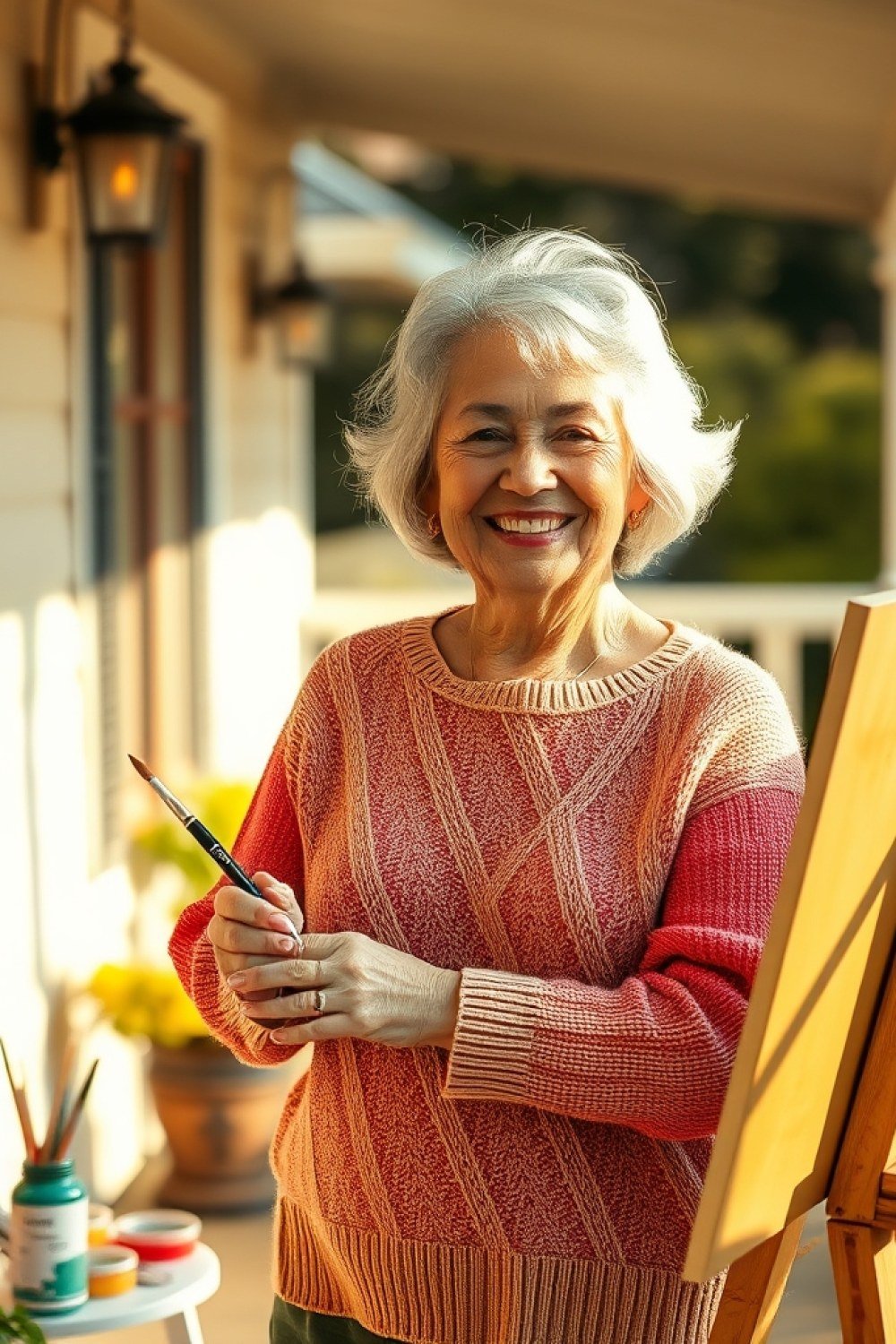
Best for: anyone who wants a quiet, absorbing hobby that fits in a handbag.
Watercolor is wonderfully forgiving — a wobbly line or a bloom of colour that spreads on its own just looks artistic. Start with a beginner set of 12 colours, a pad of cold-press paper, and two round brushes (size 6 and 12).
Try simple washes first: wet the paper, drop in colour, and let it dry before adding any details. Join a local class or follow a YouTube tutorial for 20 minutes.
Try this: paint one small square a day, then turn your favourites into greeting cards for birthdays.
2. Turn Groceries into Gourmet: Learn International Cooking

Best for: anyone who loves feeding people and wants a reason to host.
Pick one cuisine you already adore — Italian, Thai, Mexican — and master three core dishes: a signature sauce, a main, and a side. That’s genuinely enough to feel confident.
Take a virtual or community class, and invest in two things that change everything: a sharp chef’s knife and a cast-iron skillet.
Try this: host a themed dinner for friends once a month — everyone brings a dish from the same country. Delicious, social, and often healthier than a restaurant meal.
3. Grow a Container Garden That Feeds You

Best for: small spaces, balconies, and windowsills with good light.
No backyard needed. Start with herbs (basil, mint, rosemary), cherry tomatoes, and lettuce — all happy in pots. Use self-watering containers and an organic potting mix so you’re not slave to the watering can.
Feed with a liquid fertiliser once a month, and harvest regularly; picking encourages more growth.
Try this: snip basil straight into your lunch. Fresh produce, gentle exercise, and a daily sense of “I grew that.”
4. Capture Memories with Smartphone Photography
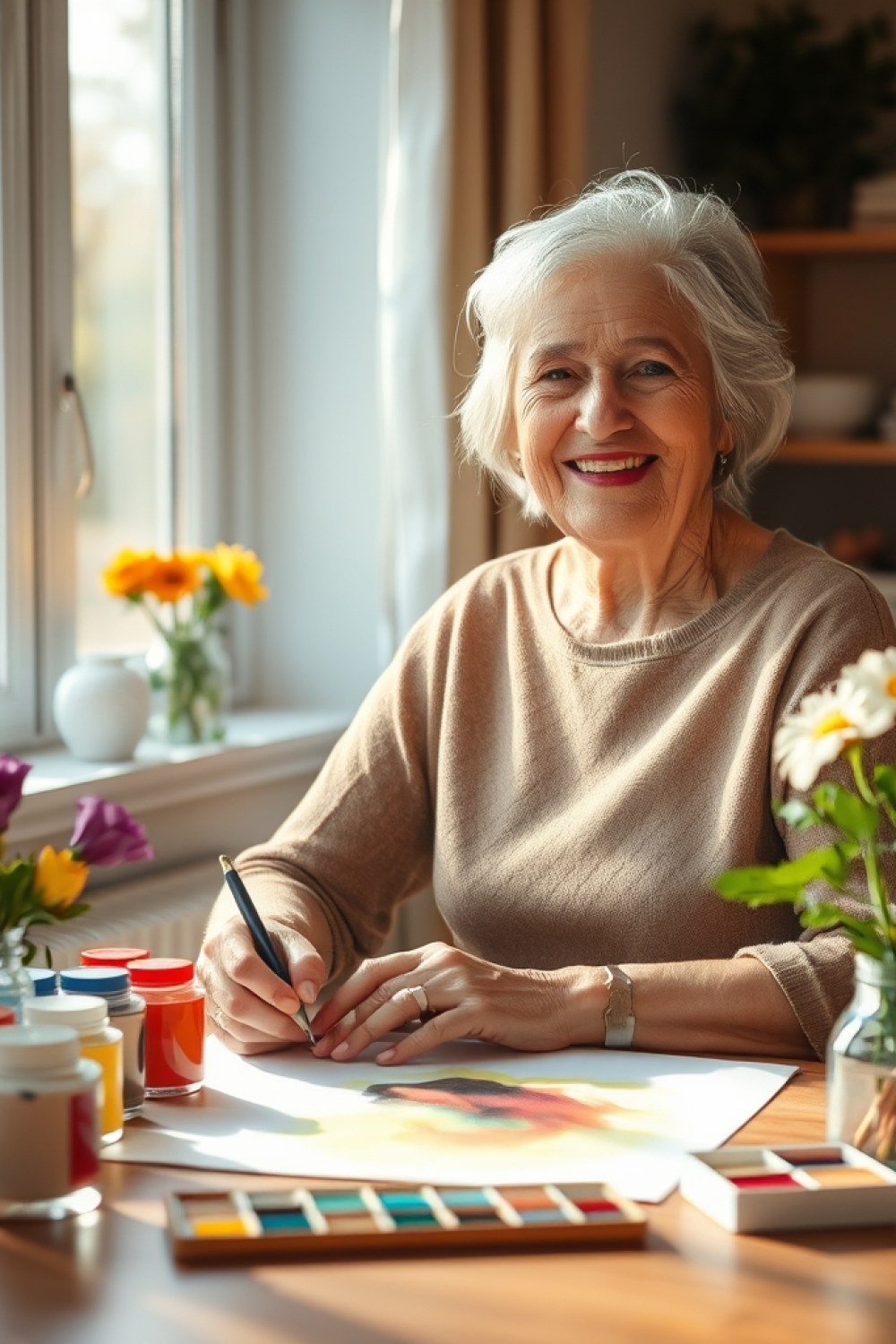
Best for: documenting travels, grandkids, and the small beauties you notice.
Your phone camera is far more powerful than you think. Learn one composition rule — the rule of thirds — and turn on the grid in your camera settings to practice it. Use natural light, skip the flash, and edit with a free app like Snapseed.
Take one photo a day of something you love; you’ll start seeing differently.
Try this: build a photo book each year. It’s a keepsake nobody else can make.
5. Move Your Body with Gentle Yoga or Tai Chi

Best for: balance, flexibility, and strength without any jarring impact.
Look for classes labelled “gentle” or “senior.” Start with 10-minute sessions and use a sturdy chair for support during standing poses. Focus on slow movement and breath rather than perfect shapes.
Many community centres run these classes free or very cheaply.
Try this: do five minutes before breakfast — it doubles as a social activity and a stretch in one go.
6. Write Your Life Stories for Future Generations
Best for: anyone who thinks “nobody will care” — they will.
You don’t need to be a writer. Start with a prompt like “My first job” or “A holiday I’ll never forget,” and write for 15 minutes a day in a notebook or a free app.
Consider joining a memoir group; reading aloud is surprisingly motivating.
Try this: print a few copies for family at the end of the year. It’s a priceless gift and a genuinely reflective joy.
7. Play an Instrument for Brain Health and Fun

Best for: a low-stakes challenge that boosts memory and mood.
Choose something easy to start: ukulele, harmonica, or keyboard. Learn three chords and you can play hundreds of songs. Apps like Yousician make practice feel like a game.
Join a ukulele group or community band — playing with others is where the fun lives.
Try this: practise 10 minutes a day. Progress shows up faster than you’d expect.
8. Master a New Language for Travel and Connection
Best for: keeping your mind sharp while opening doors to new friendships.
Apps like Duolingo are free and easy. Focus on practical phrases for travel rather than perfect grammar. Practise with a conversation partner over Zoom, and listen to podcasts in that language while you walk.
Then plan a trip where you’ll actually use it.
Try this: learn five phrases before every trip — “hello,” “thank you,” “please,” “excuse me,” and “how much?”
9. Get Hooked on Knitting or Crochet
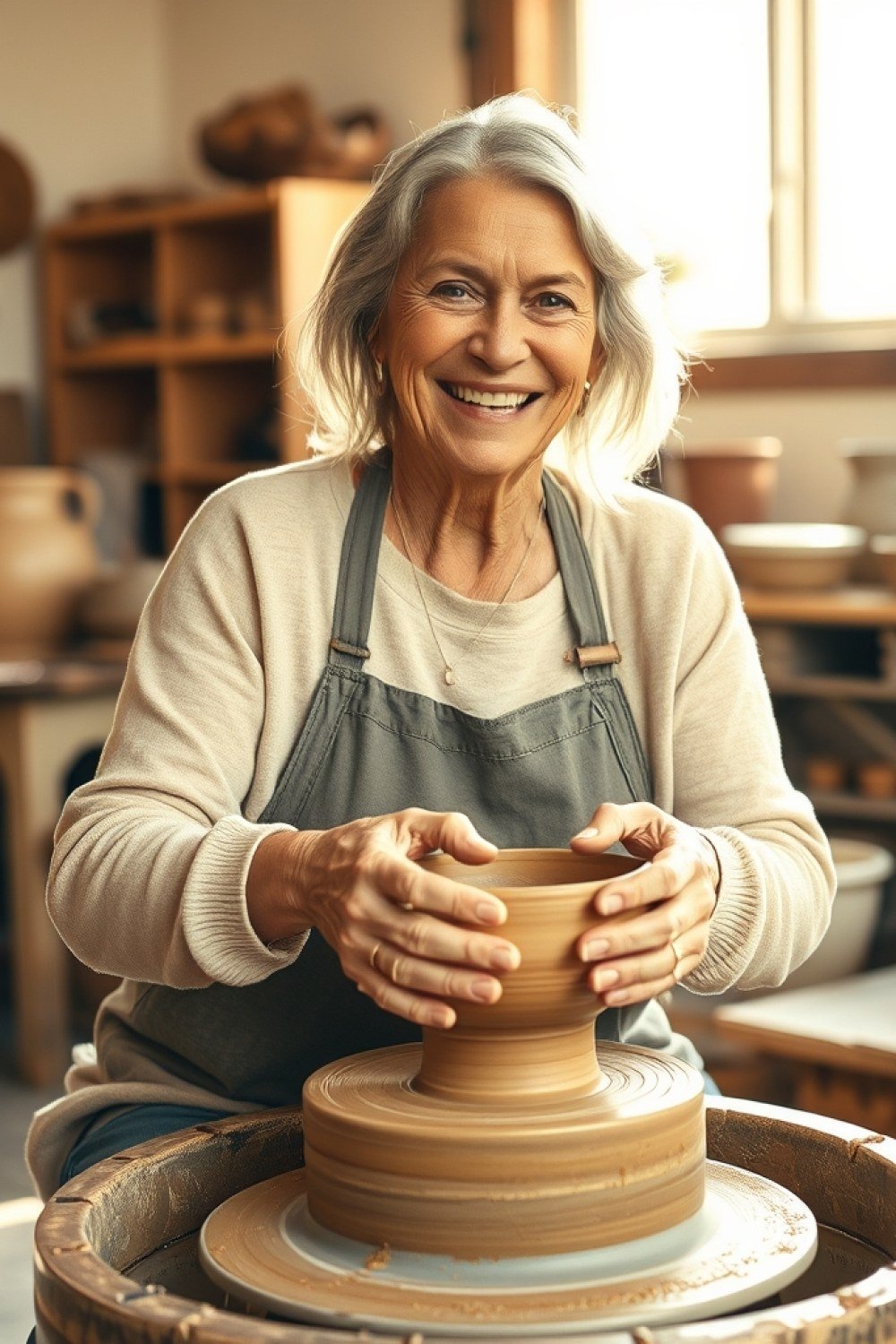
Best for: relaxing evenings and portable, meditative making.
These crafts are calming and productive at once. Start with a simple scarf using bulky yarn and large needles (size 8mm or so). Beginner YouTube videos are excellent — watch one, then pause and copy it.
Join a local knitting circle for help and company.
Try this: make gifts for loved ones. Nobody forgets a handmade scarf.
10. Dance Like Nobody’s Watching: Try Ballroom or Line Dancing
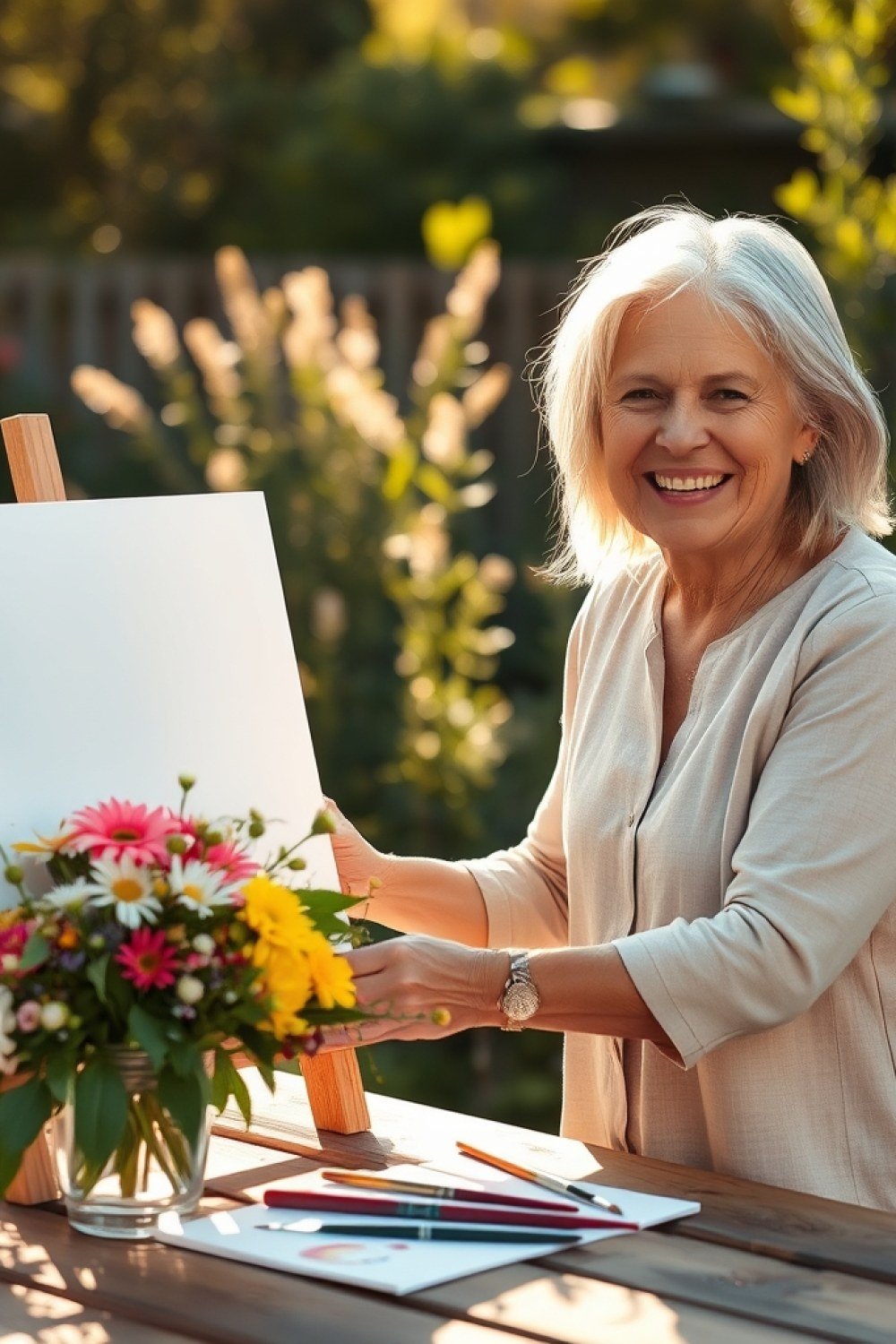
Best for: exercise that doesn’t feel like exercise.
No partner? Line dancing is solo-friendly, and classes are social and genuinely fun. Start with a beginner class, wear supportive shoes, and learn basic steps like the grapevine.
It improves coordination and balance, and the music lifts your mood instantly.
Try this: go once, just to watch. You’ll be joining in before the end.
Beginner Mistakes That Slow You Down
- Buying all the gear first. Borrow or buy the cheapest kit — upgrade once you know you love it.
- Practising for two hours once a week. Ten minutes daily beats a marathon every time.
- Learning alone when a group exists. Company keeps you going when motivation dips.
- Expecting to be good quickly. The first few weeks are meant to be clumsy.
- Comparing yourself to experts online. They’ve had years. You’re on day three.
Questions About Learning New Skills After 60
I’m not very tech-savvy. Are these skills too hard to learn at my age?
Not at all. Many skills here — knitting, gardening, cooking — need no technology whatsoever. For the tech ones, start with simple beginner apps and ask a family member or friend for a hand. Libraries often run free tech classes for seniors.
How do I fit learning a new skill into my daily routine?
Start with just 10–15 minutes a day. Attach it to something you already do, like right after your morning coffee. Consistency matters far more than duration, and small daily practice adds up quickly.
What if I try a skill and find I don’t enjoy it?
That’s perfectly okay — it’s part of the process. Give it a fair few weeks, but if it doesn’t bring you joy, move on. The goal is enrichment, not obligation, and there are plenty of other things to explore.
Are there local groups where I can learn these skills with others?
Yes. Check your community centre, senior centre, library, or Meetup.com for classes and groups — many are free or low-cost. Learning alongside others adds a social element that makes it even more enjoyable.
Choosing the Right Skill for You
If you’re torn between a few, don’t agonise. Pick the one that makes you smile just thinking about it, or try a few for a week each and see which one you keep coming back to. The best skill is the one you’ll actually do.
Start tiny — one photo, five chords, ten minutes of stretching — and let it grow from there. It’s never too late to learn something new and add more fun to your days.